Reptiles & Amphibians of Morocco
126 species, 31 of them endemic
98 species photo-documented·10 species account onlinespecies accounts online
A new species account every week
Encyclopedia guides and checklist
A biogeographic crossroads
Morocco holds an extraordinary diversity of wildlife. The country sits at a biogeographic crossroads, where Mediterranean, Saharan, Sahelian and even European faunas meet. The Atlas mountains break that mix into a mosaic of isolated habitats, and the Sahara’s greener past left a handful of relict species north of the present-day desert. This blend of influences has made Morocco home to 112 reptiles and 14 amphibians, the second highest total anywhere around the Mediterranean, 30 of them found nowhere else on Earth.
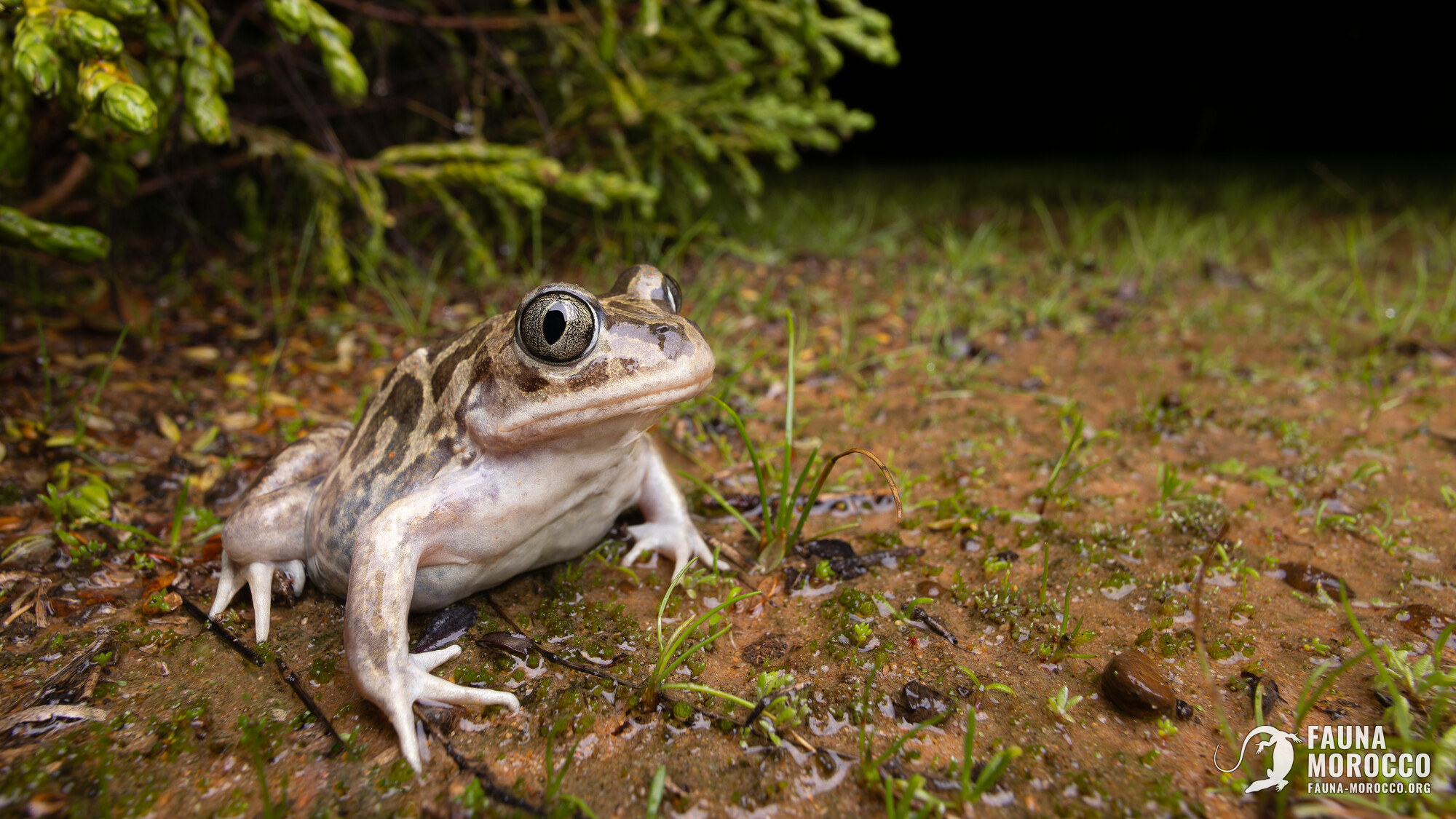
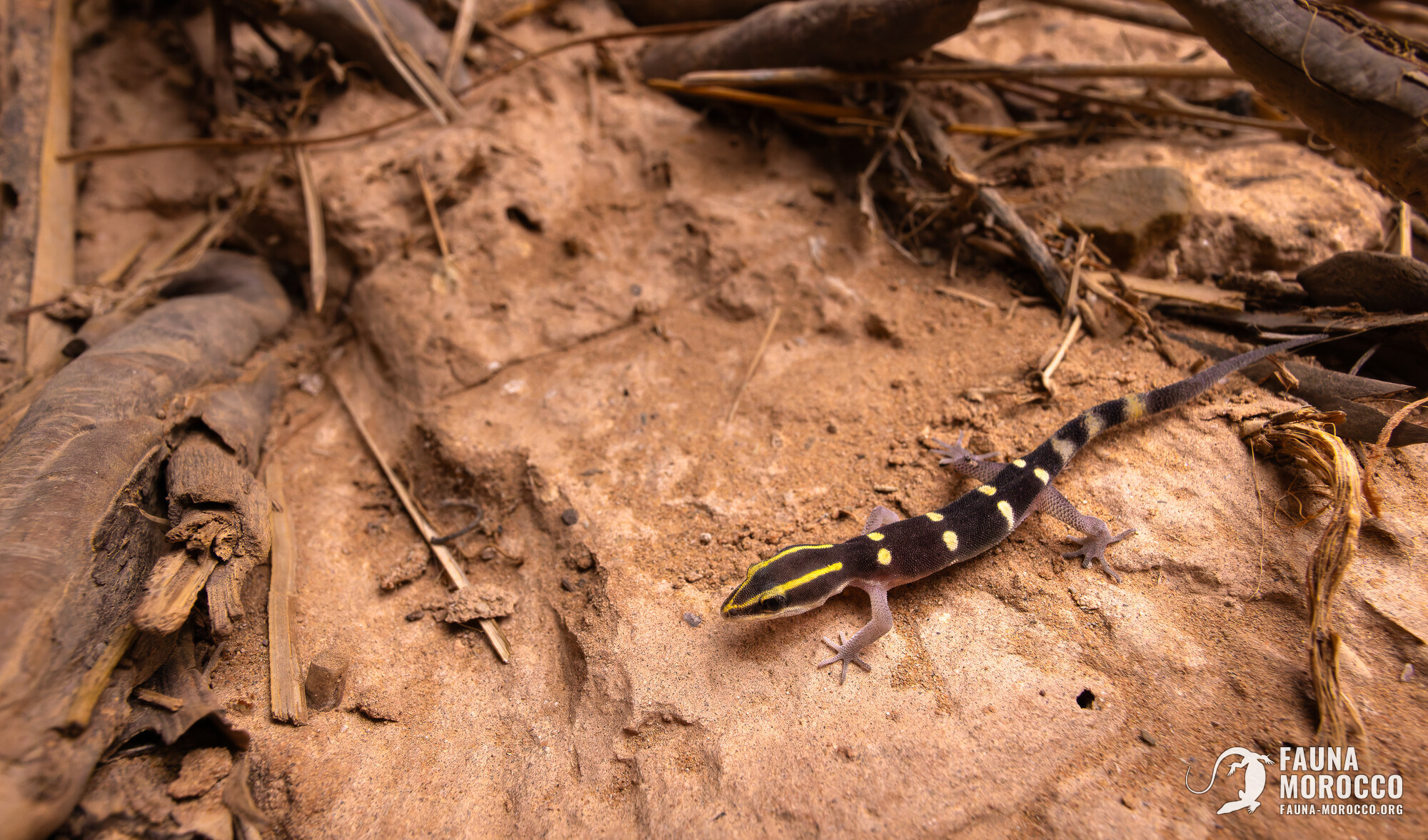
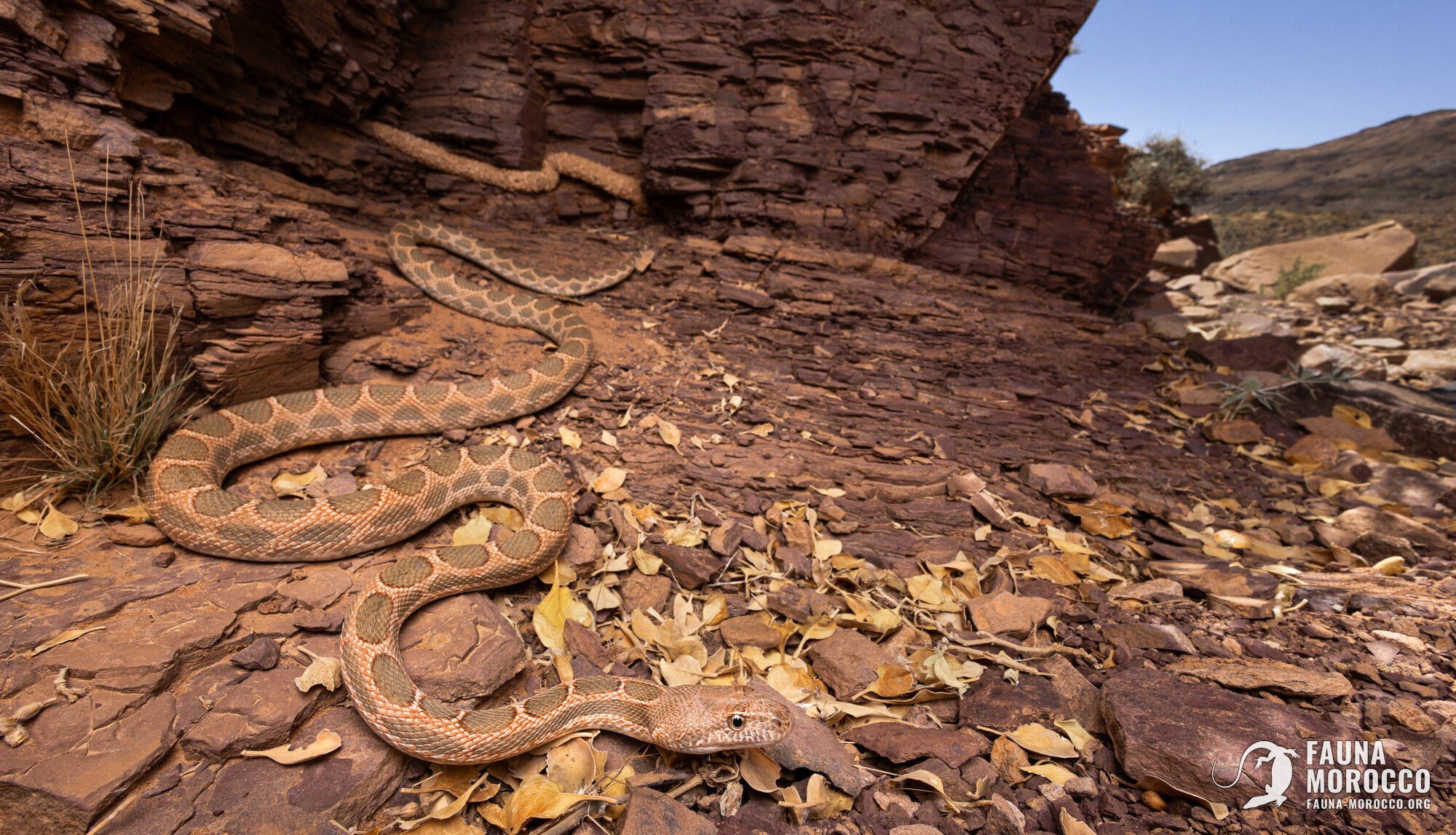
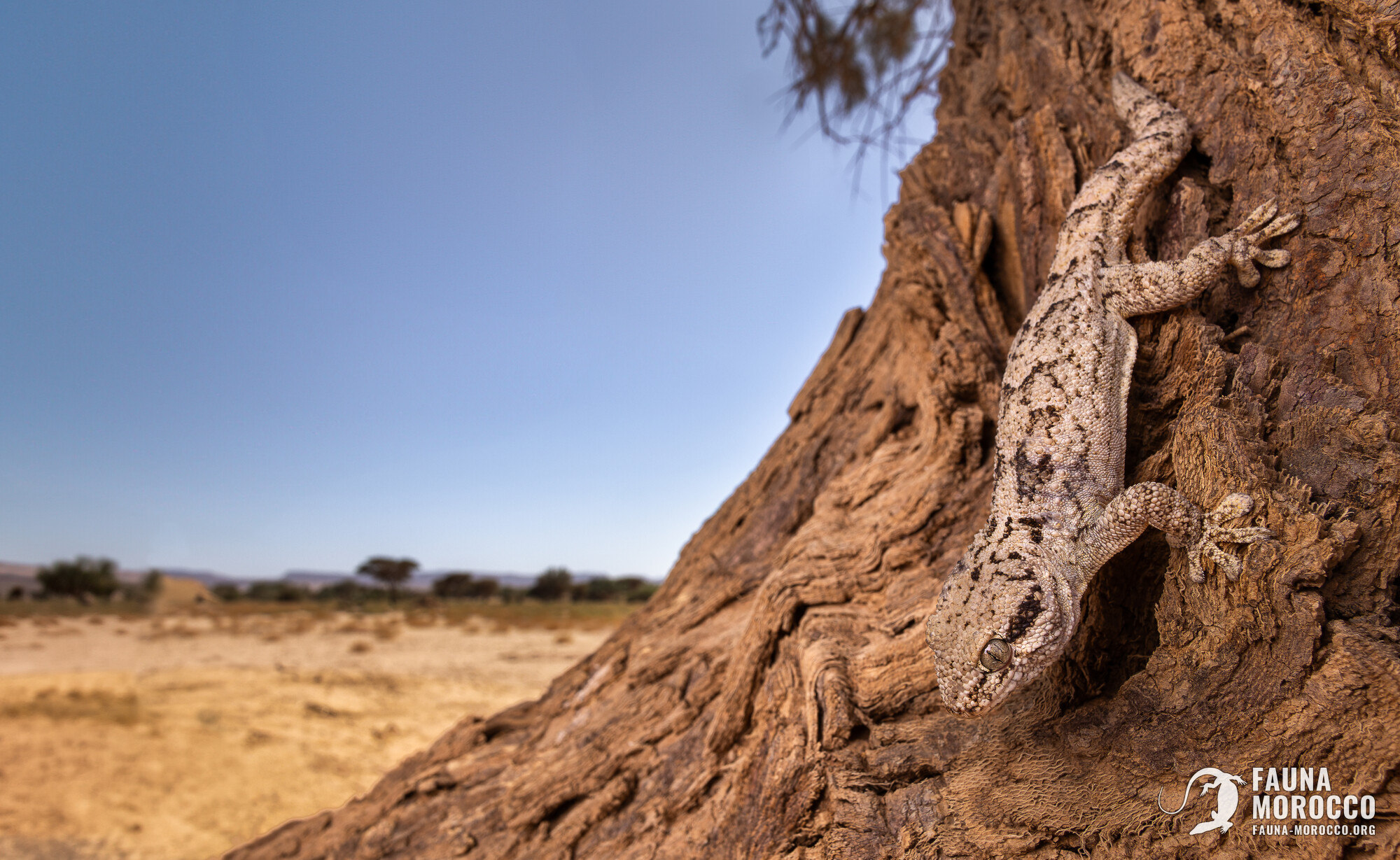
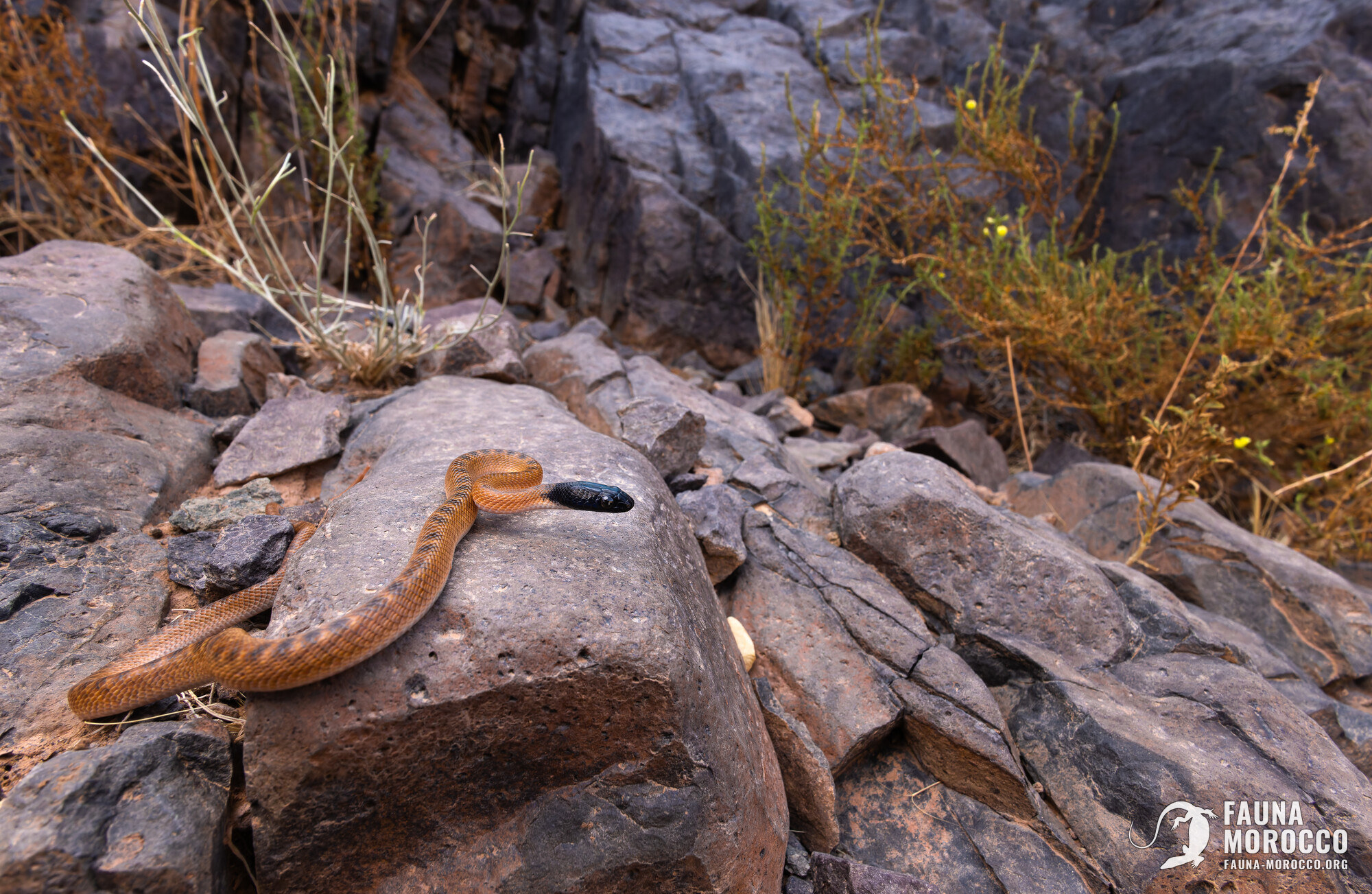
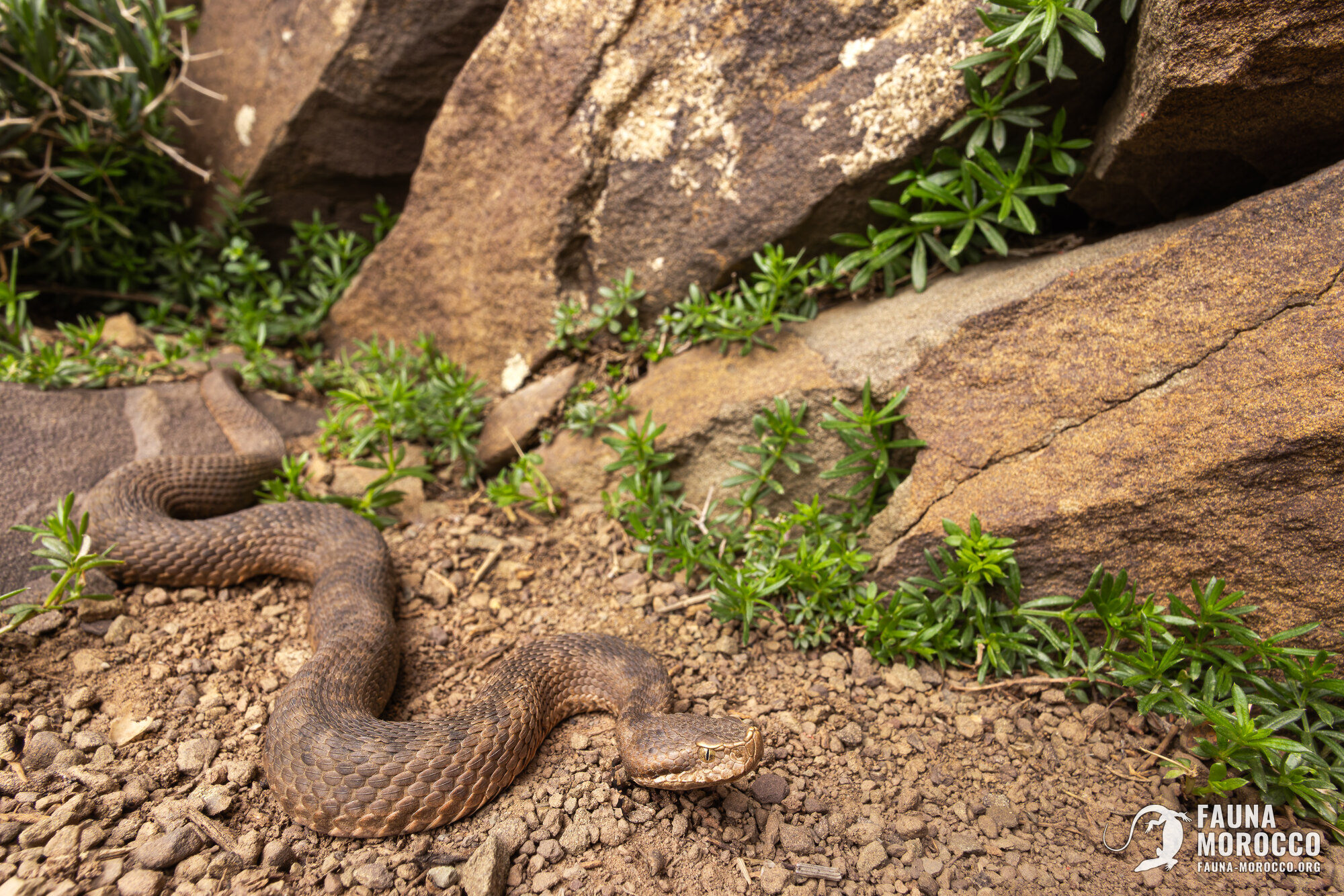
Many worlds in one country
From the Mediterranean coast to the dunes of the deep south, Morocco packs an extraordinary spread of landscapes into a single country: oak and cedar forests, alpine heights, dry steppe, and true Saharan desert, often within a few hours’ drive of one another. Each of these worlds shelters its own composition of species, all perfectly adapted to the environments they inhabit.
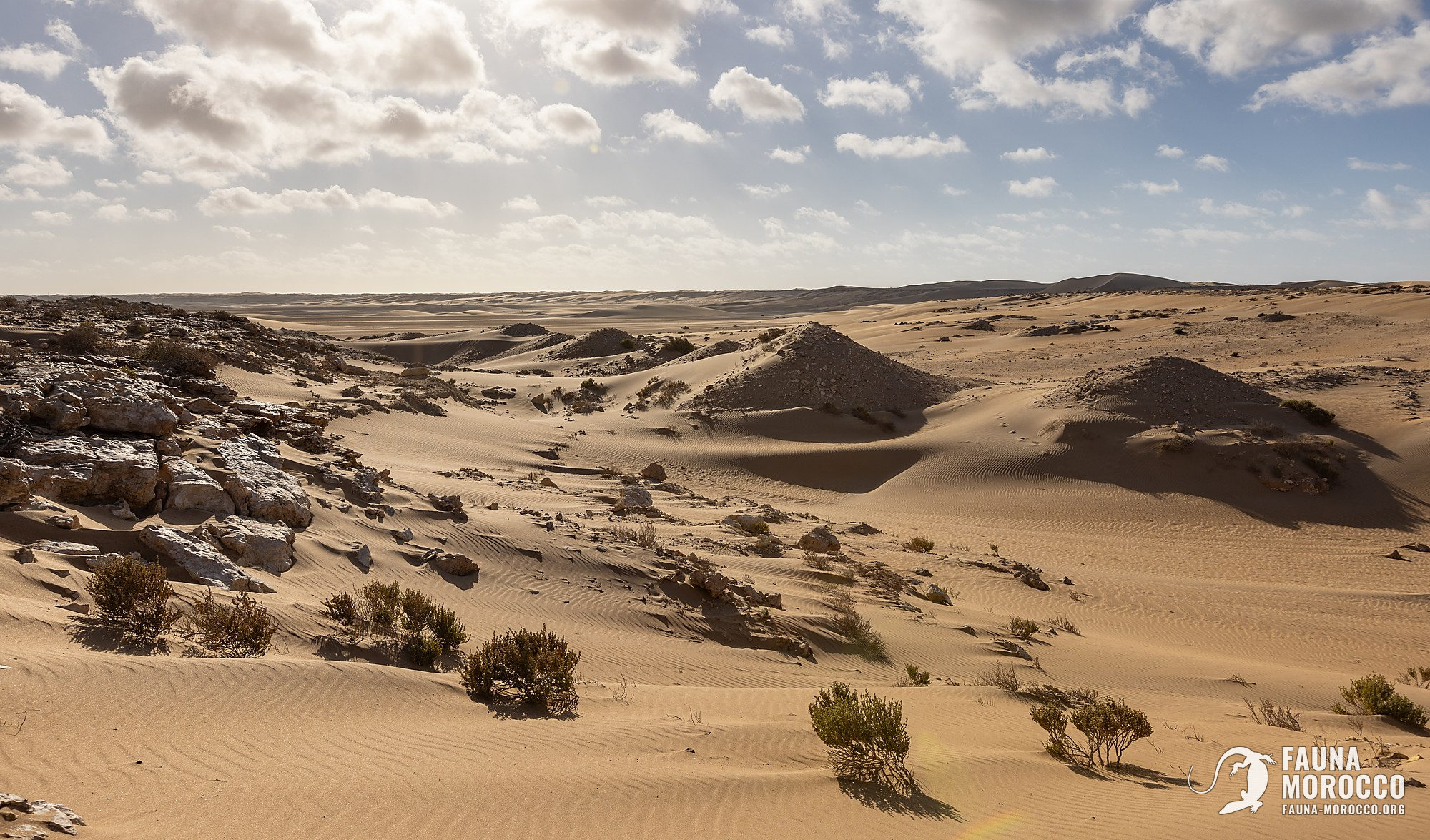
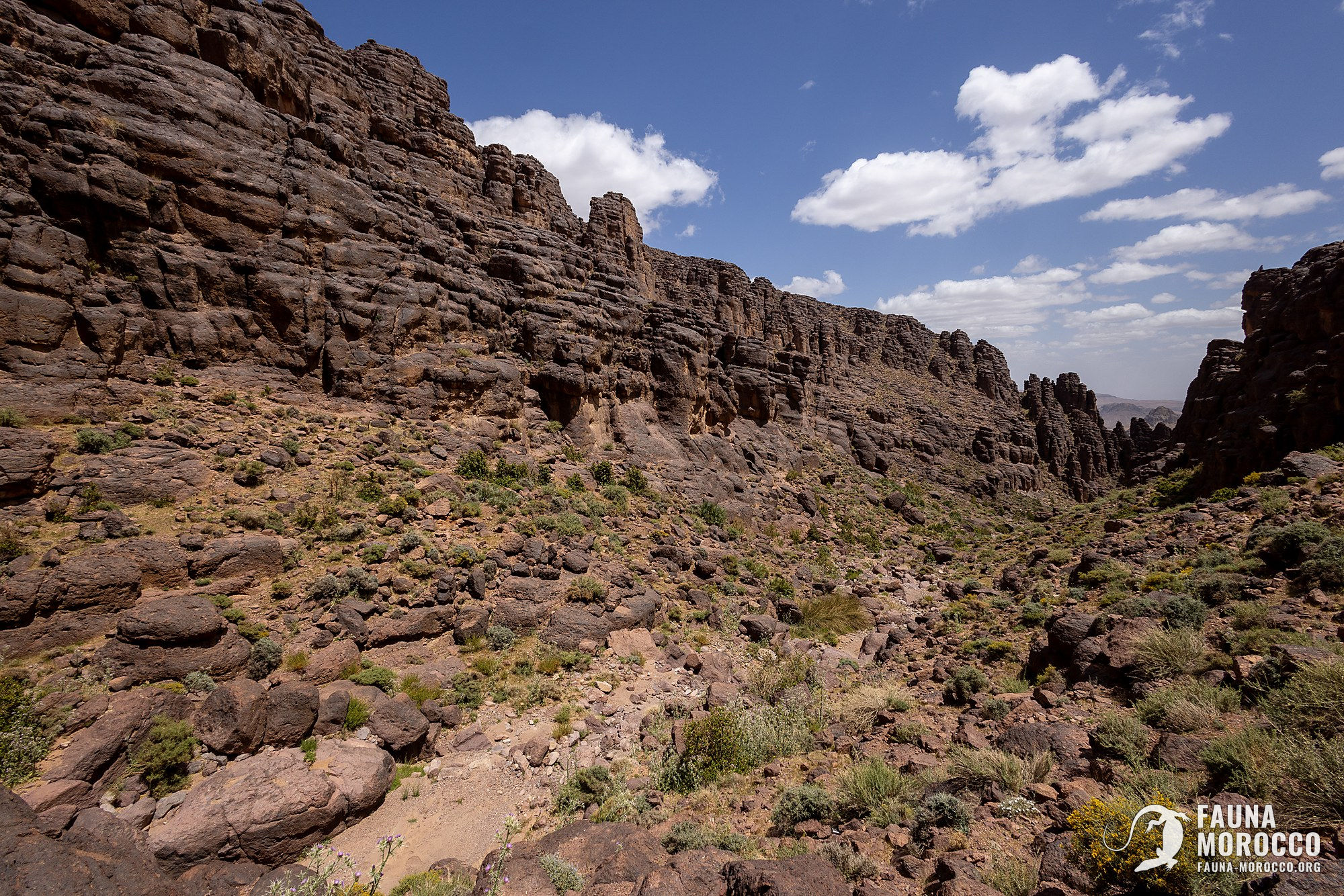
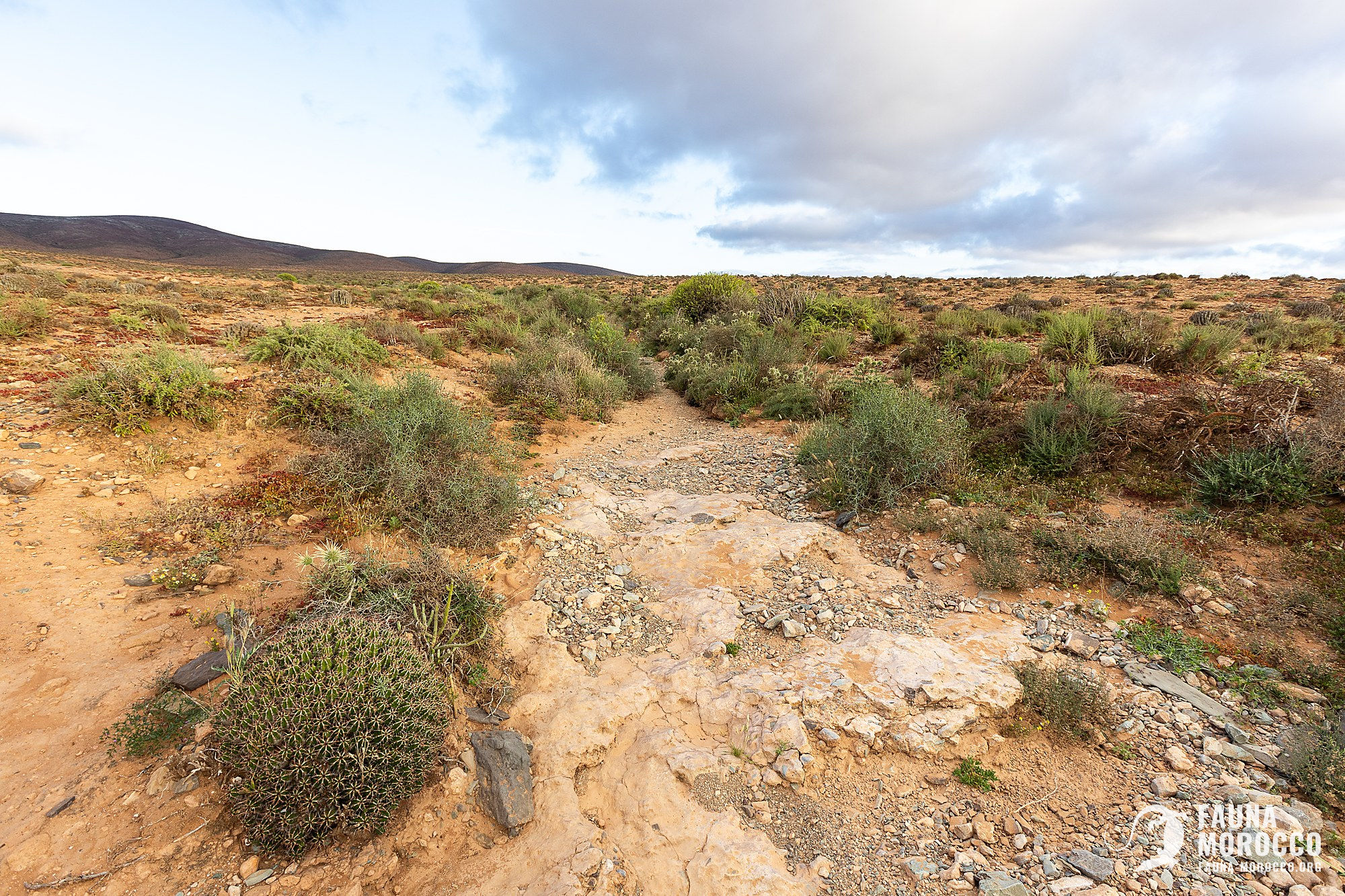
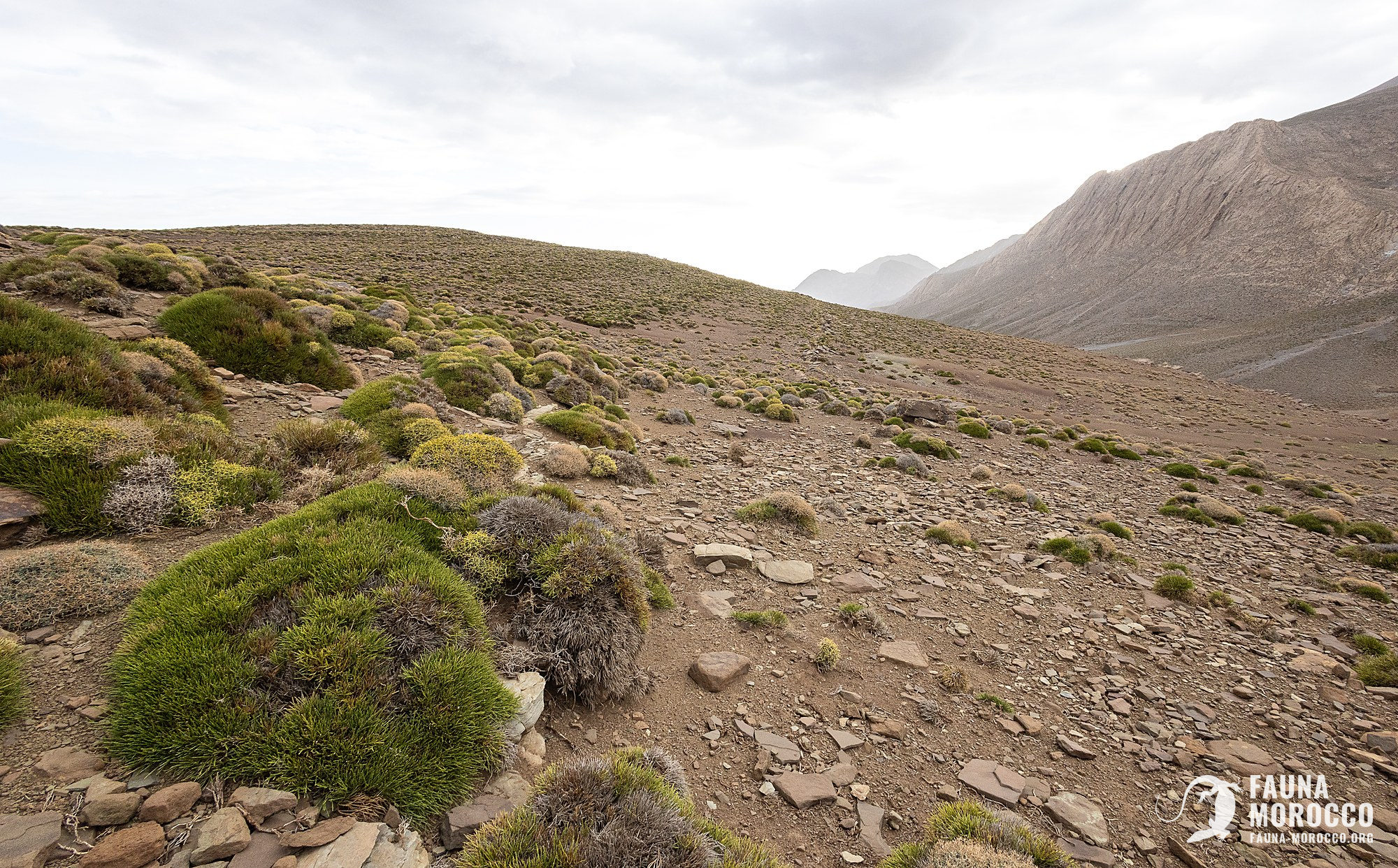
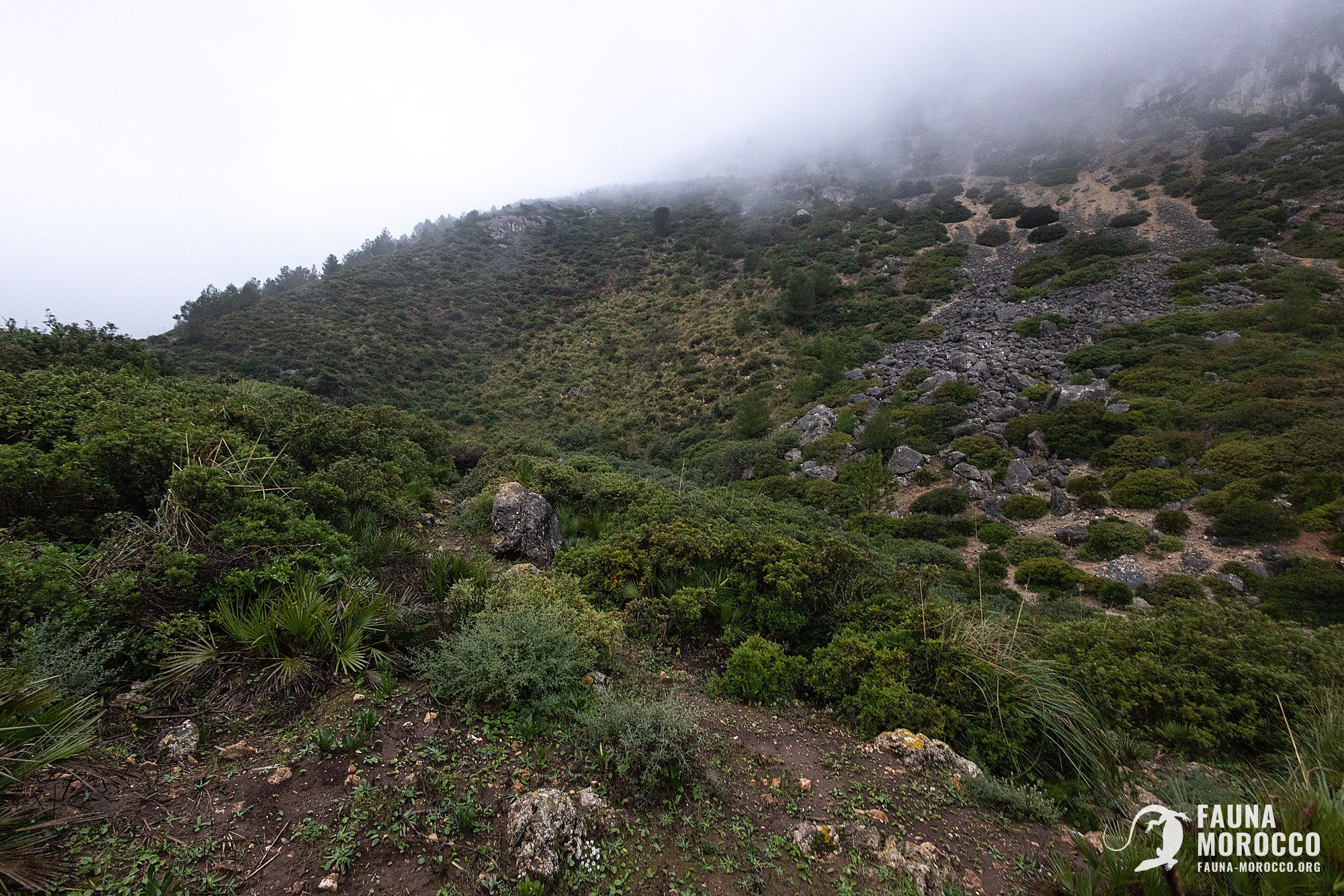
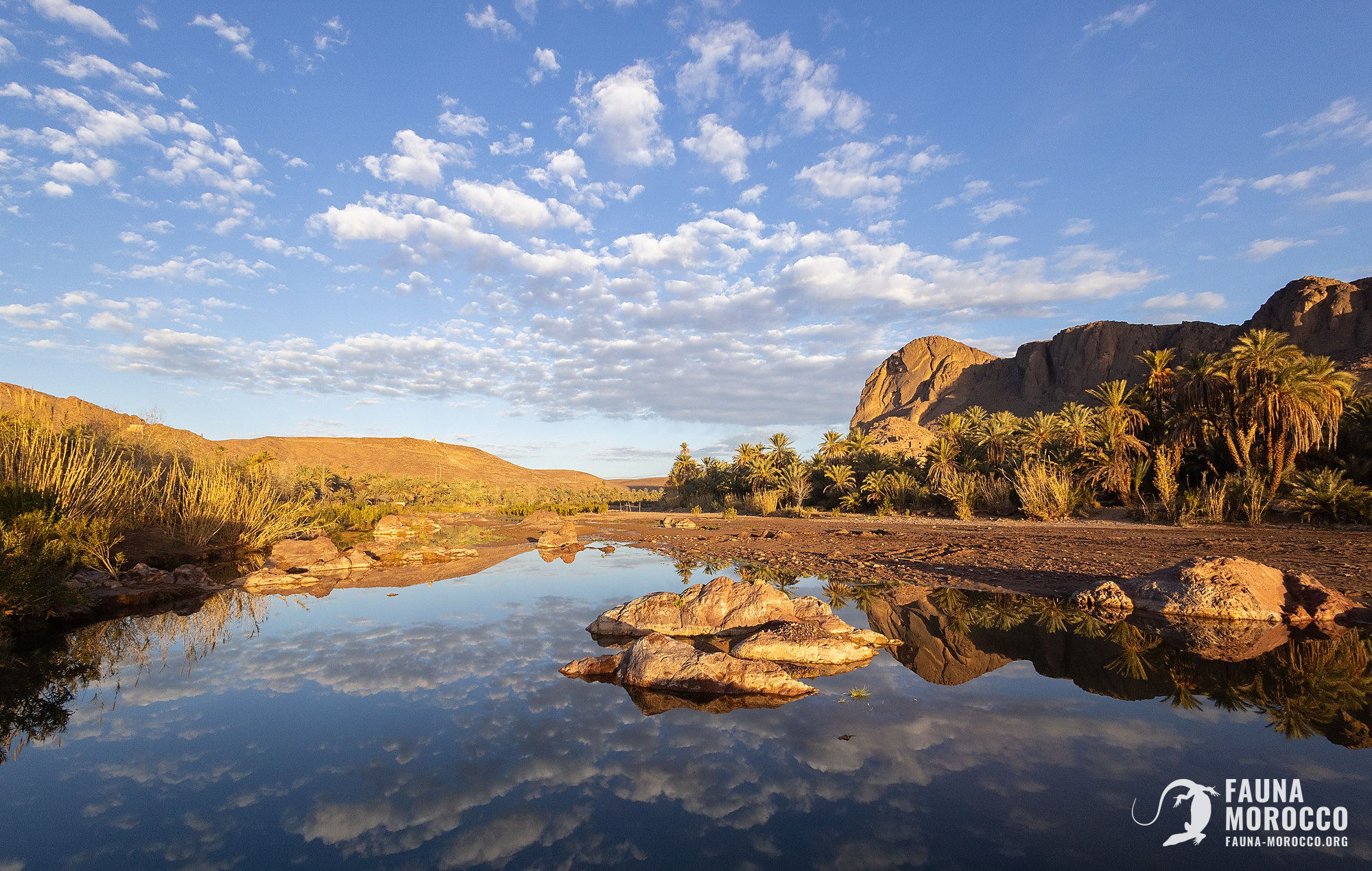
The pressures
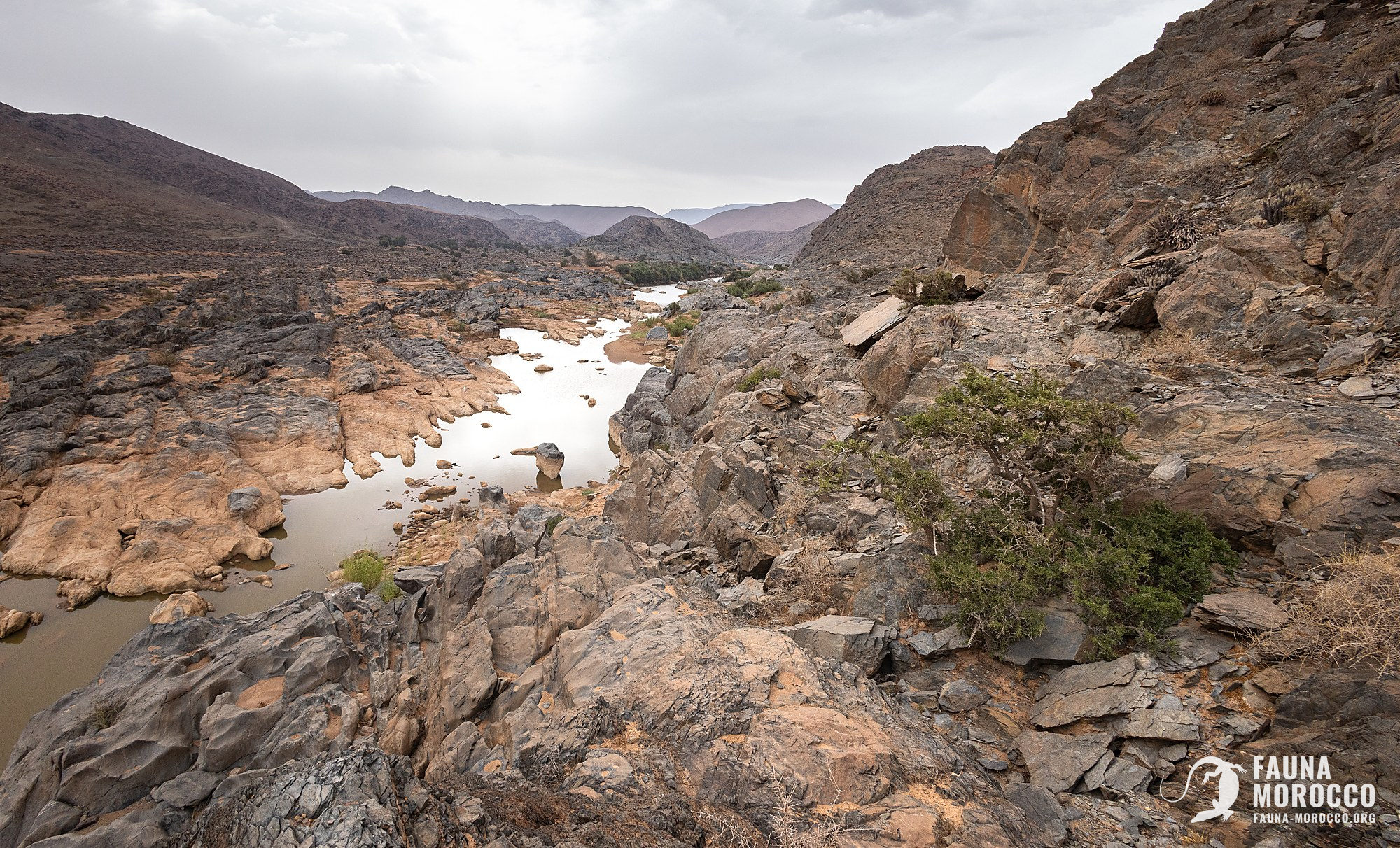
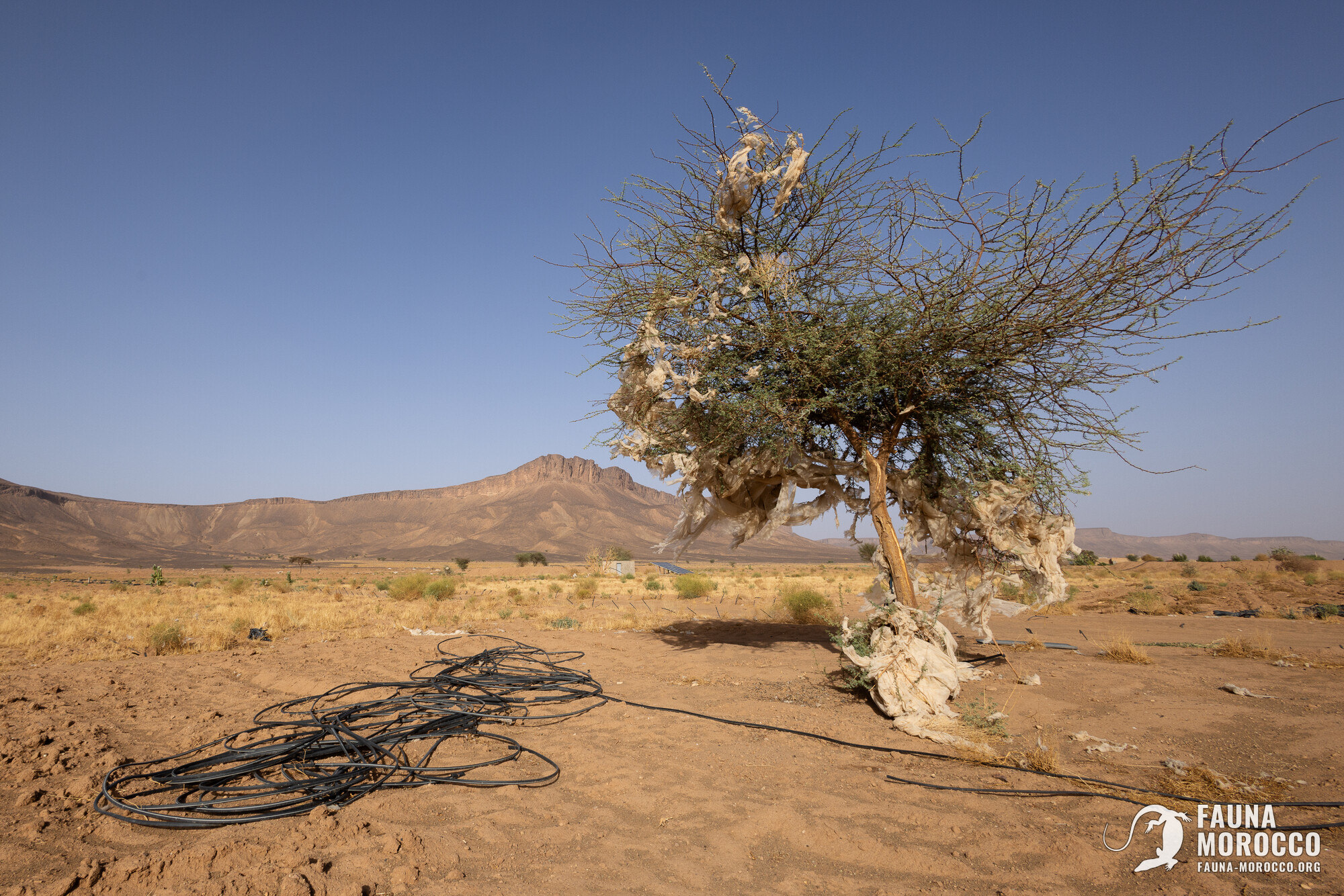
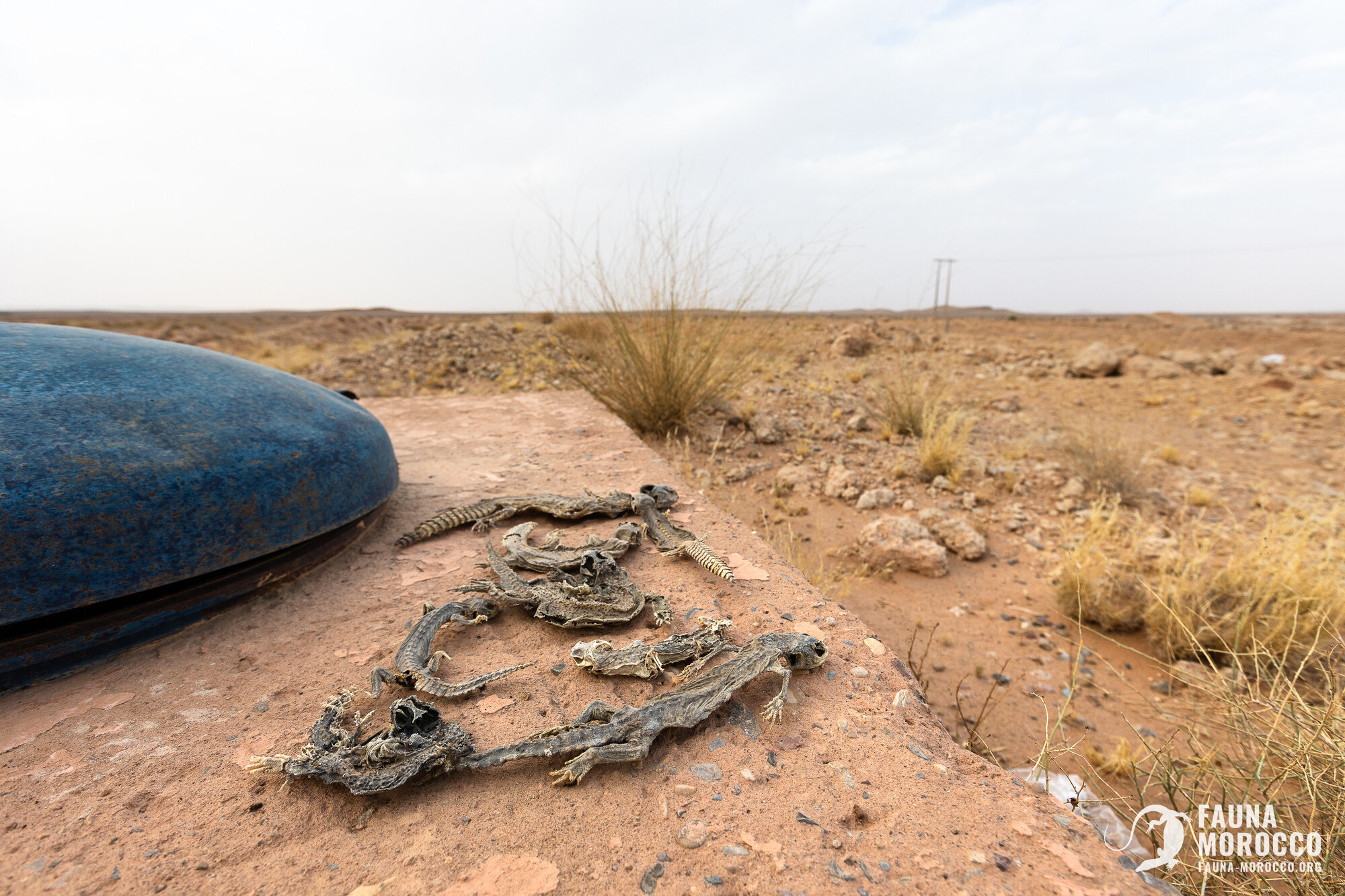
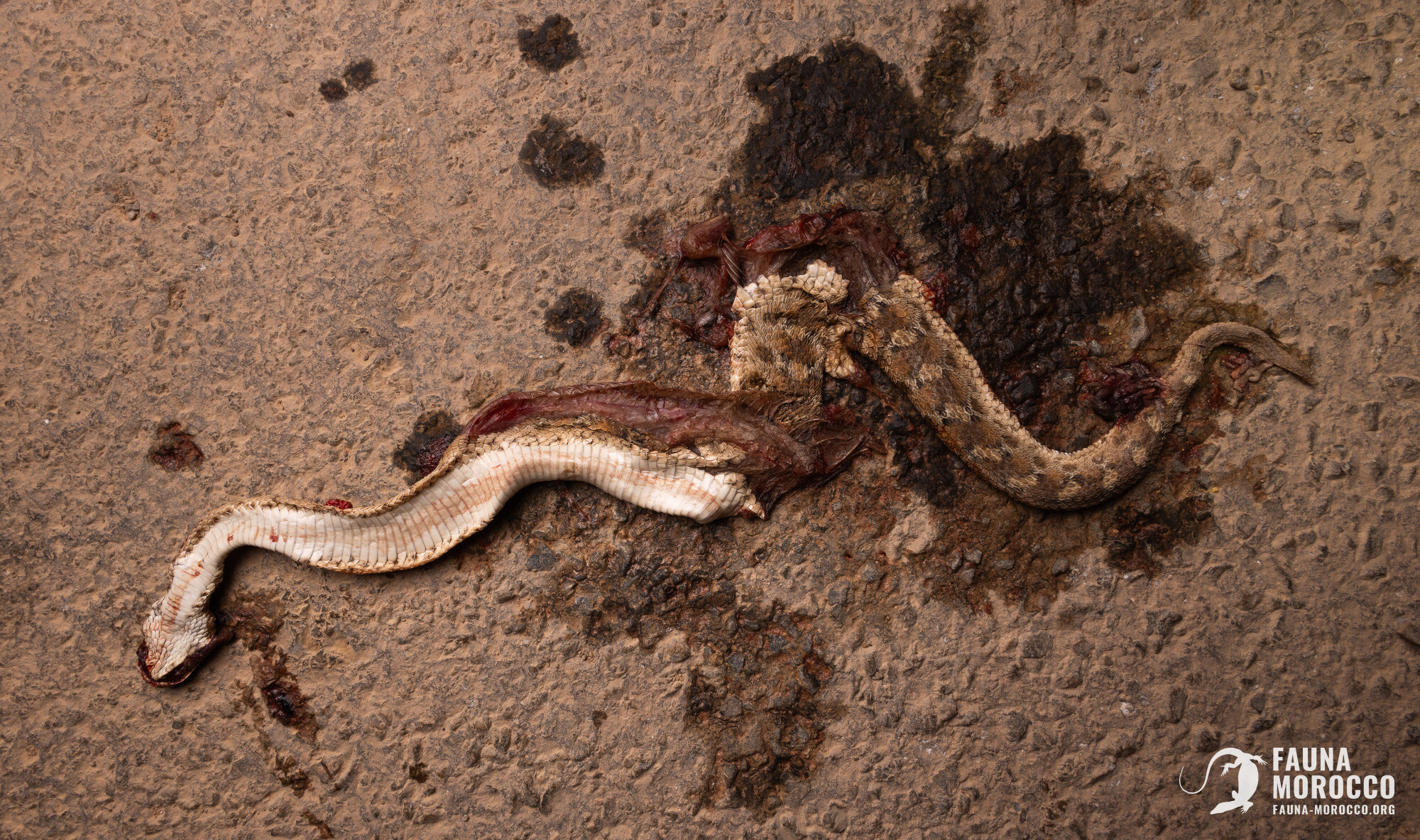
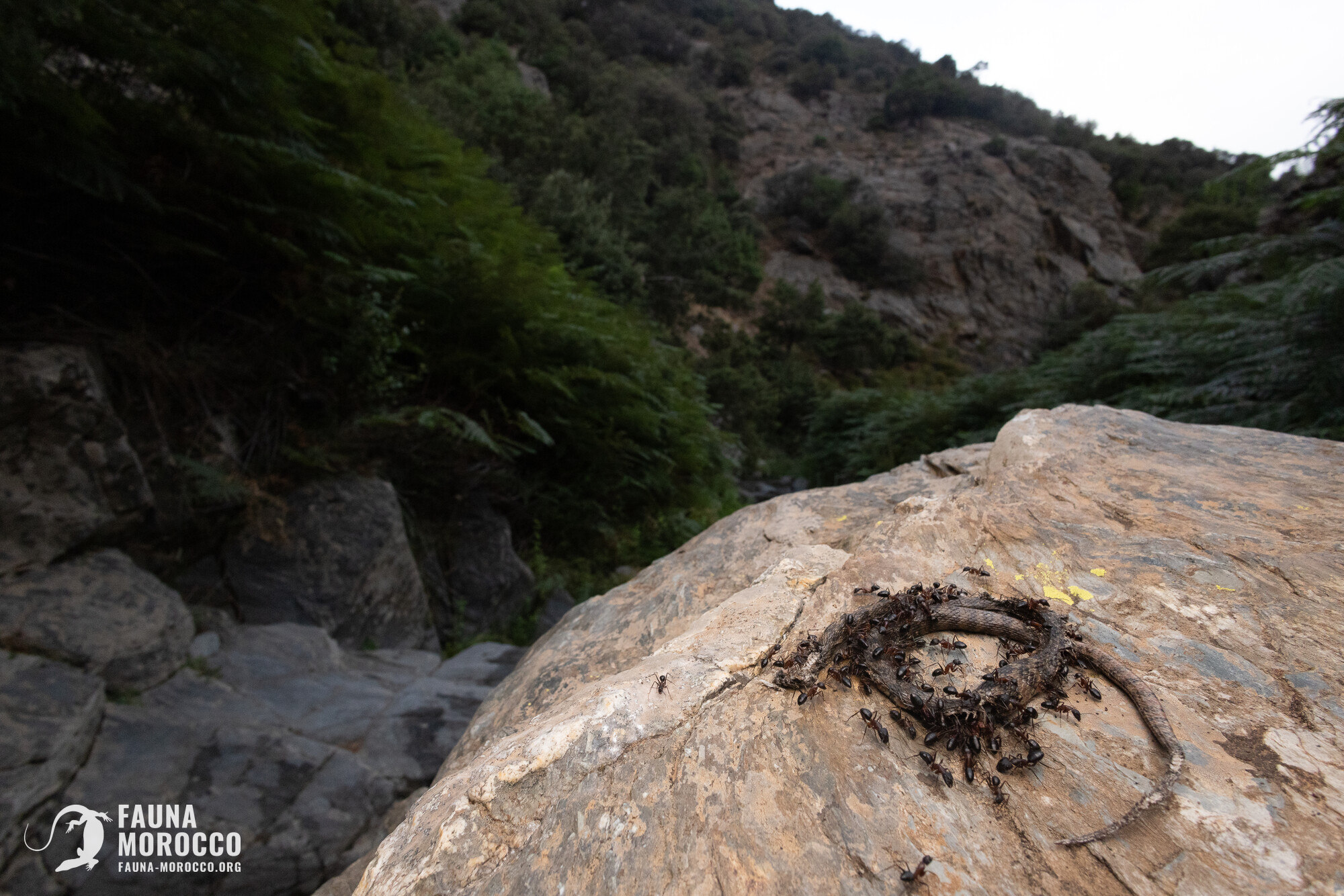
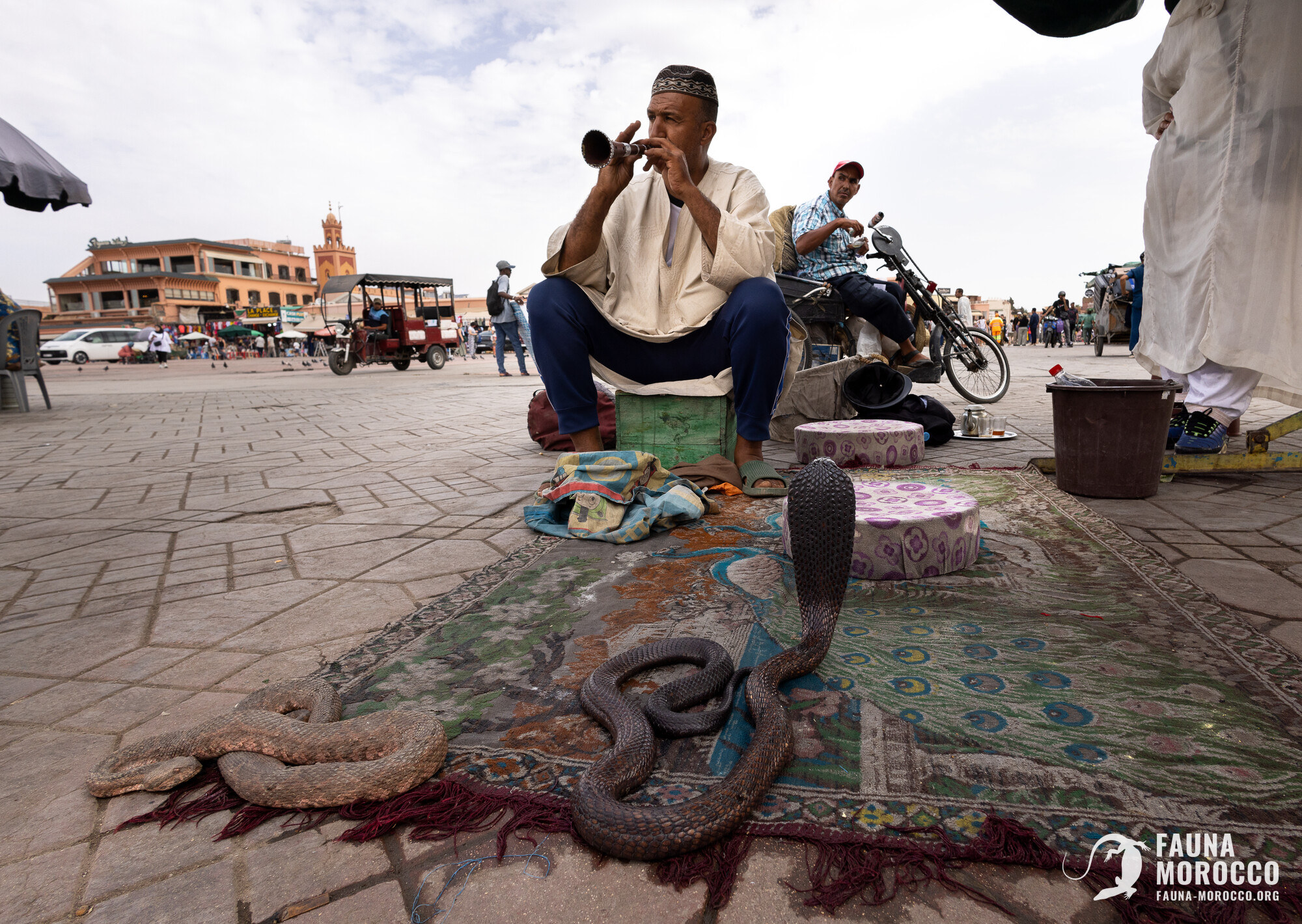
Morocco’s reptiles and amphibians are among its most persecuted wildlife, while roughly a third are of conservation concern. This persecution is rarely justified: it comes from fear and a lack of information, while most of the other hazards, from road deaths to animals trapped in open wells, could be prevented with simple measures. In almost every case what is missing is access to knowledge, and that is exactly what Fauna Morocco works to change.
What am I looking at?
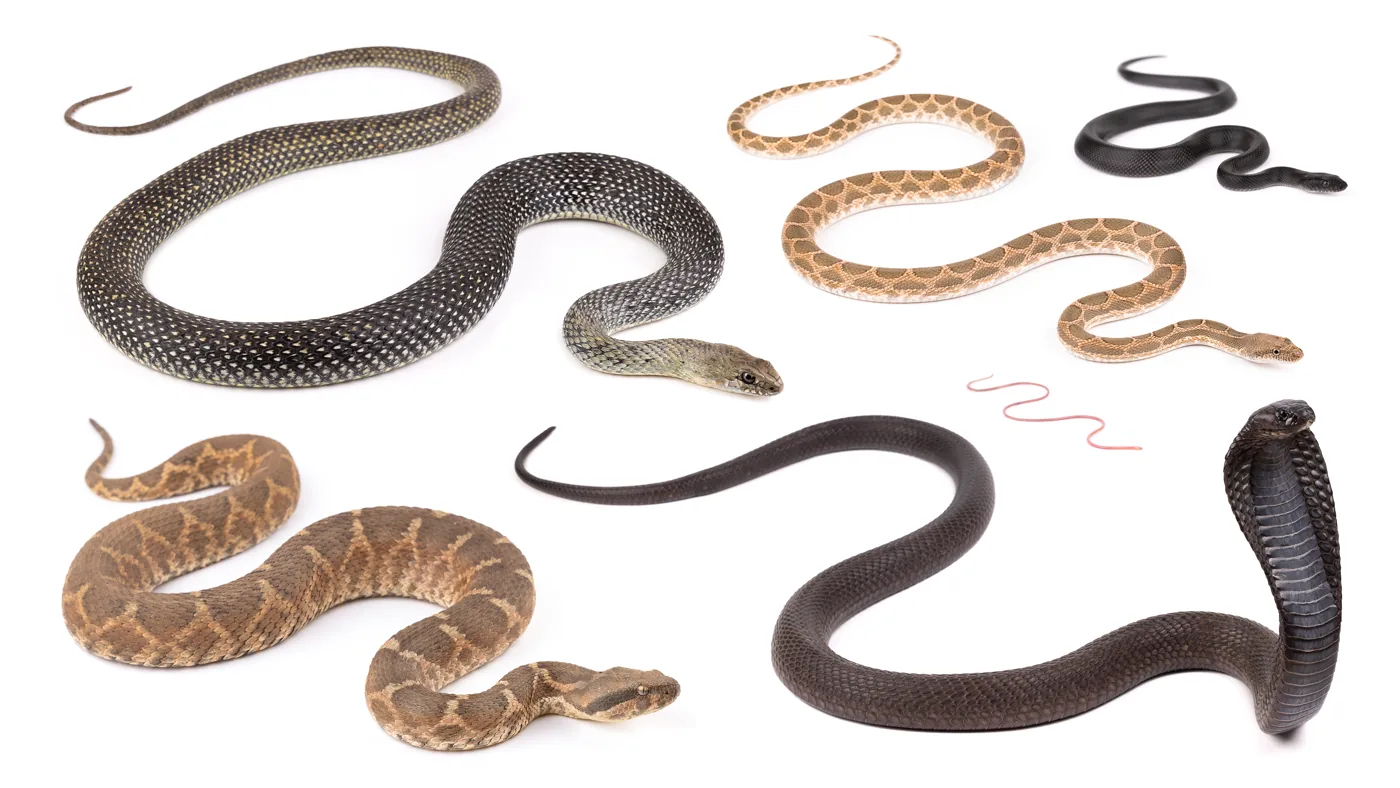
Snakes
Serpentes · 26 species
- No legs, no eyelids, no ear openings
- Legless lizards also have no legs, but they blink and have ear openings
- Worm lizards also have no legs and no ear openings, but their eyes are hidden under their scales
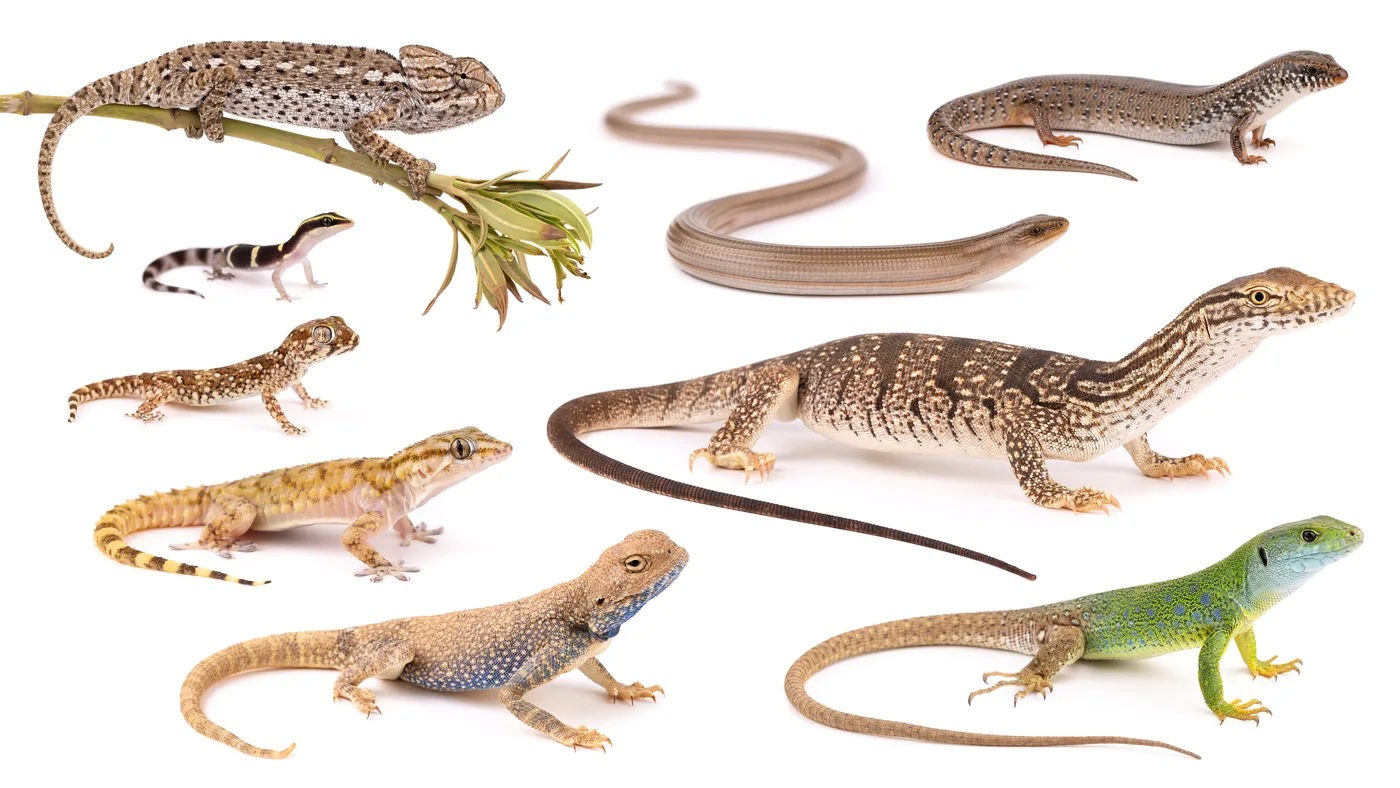
Lizards
Sauria · 80 species · 26 endemic
- Visible ear openings
- Usually four legs, except in glass lizards
- Fully scaled body, with a long tail
- Eyelids that blink, except in geckos
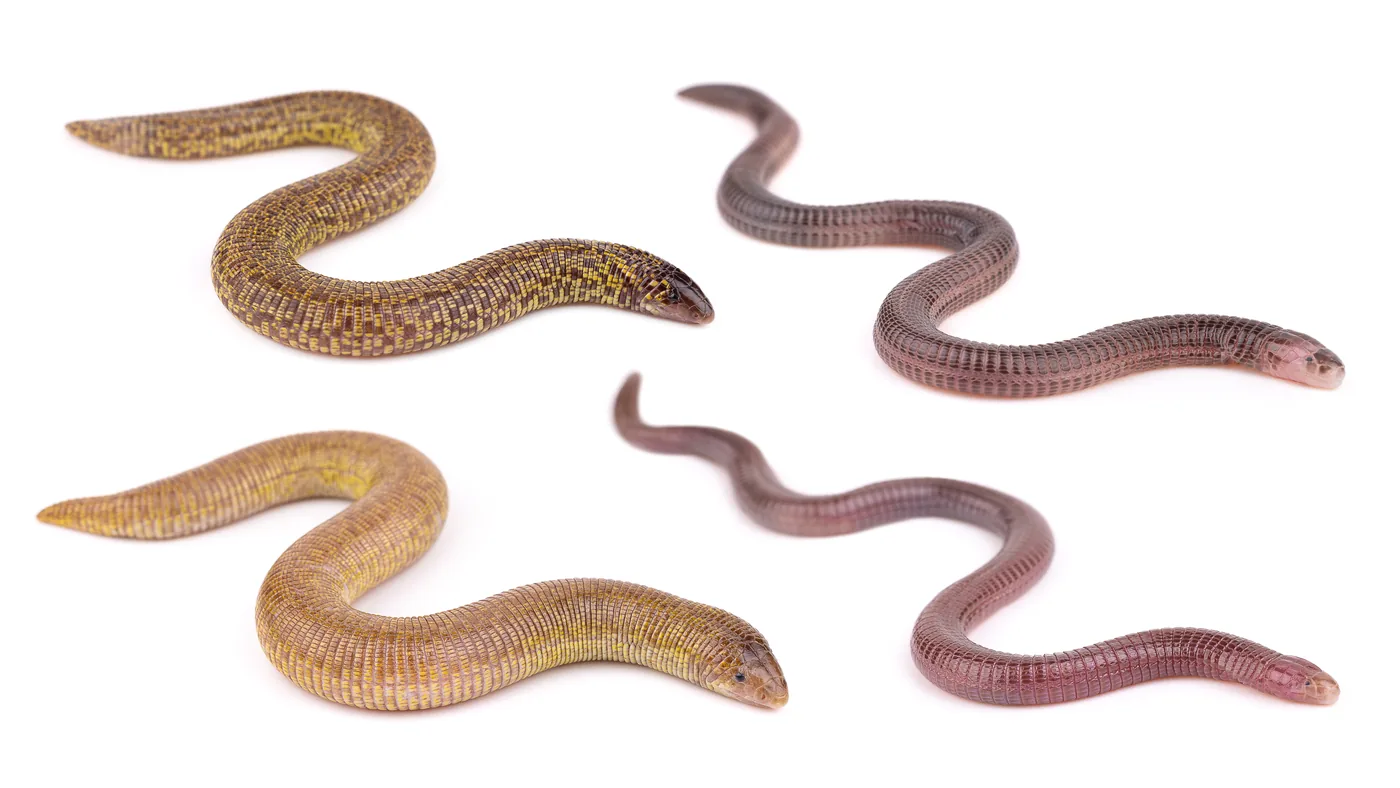
Worm Lizards
Amphisbaenia · 3 species · 2 endemic
- Looks like a worm, but with ringed scales
- Eyes hidden under the scales
- Blunt at both ends
- Not to be confused with snakes
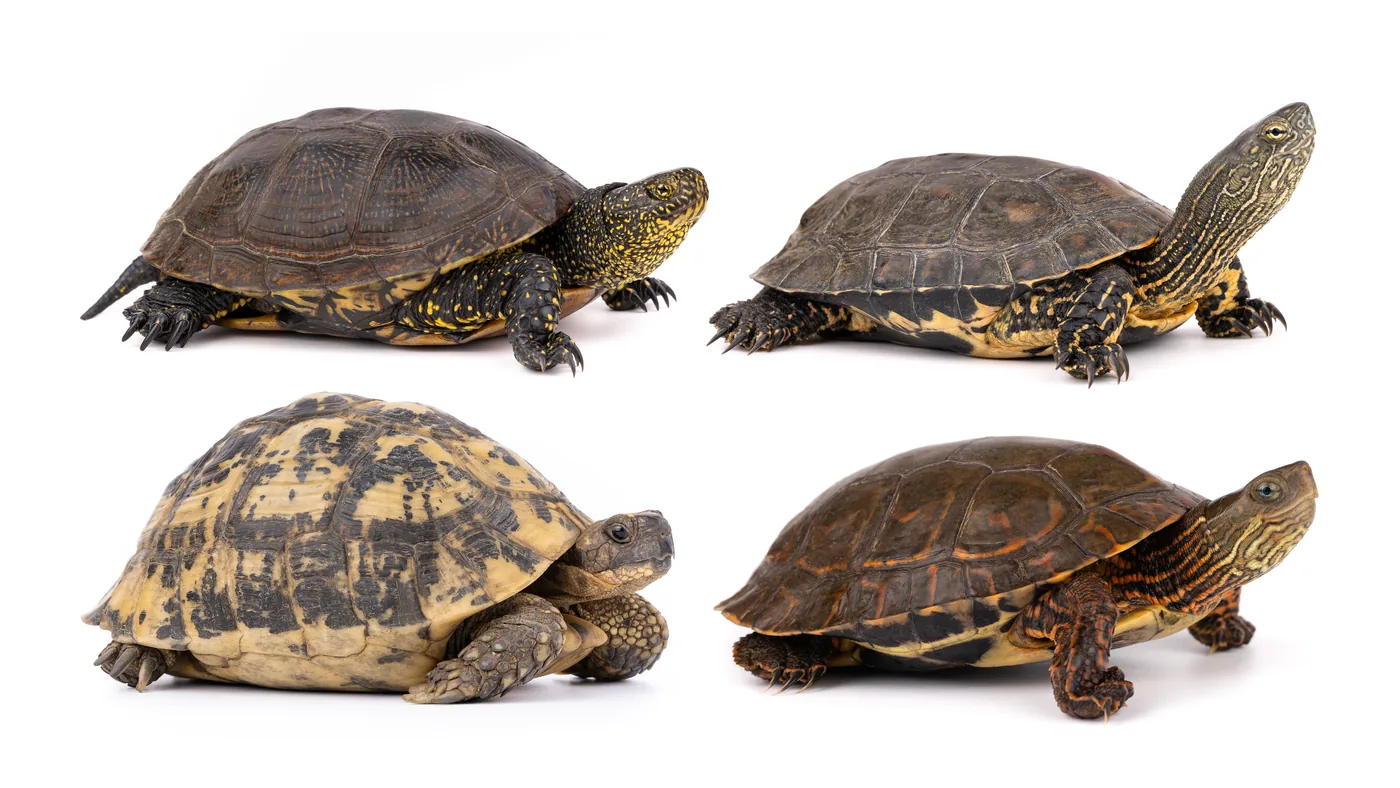
Turtles & Tortoises
Testudines · 3 species
- They all have a shell
- Round shape seen from above
- A beak, no teeth
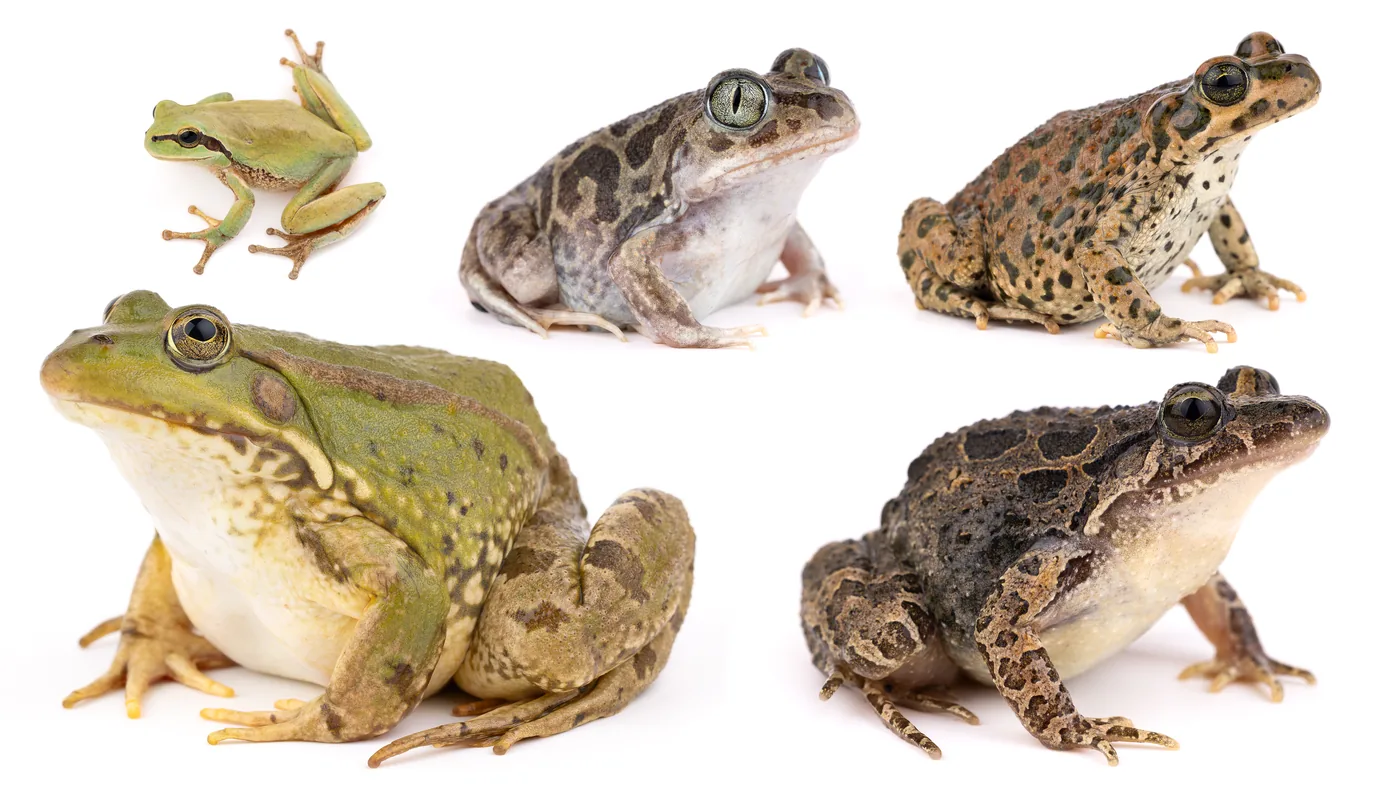
Frogs & Toads
Anura · 12 species · 3 endemic
- Moist skin
- No tail, no scales
- Long back legs for jumping
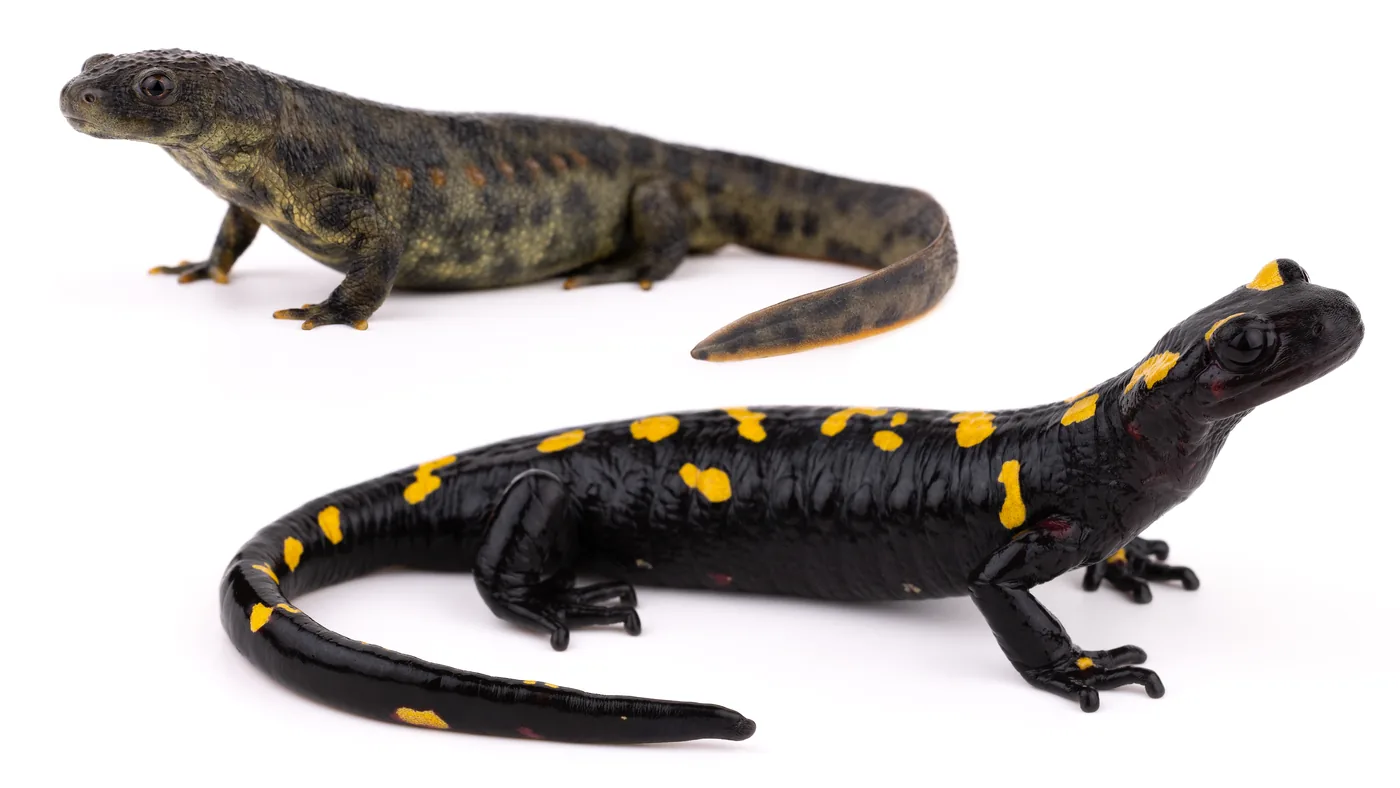
Reptiles & Amphibians of Morocco
What reptiles and amphibians live in Morocco?
Morocco is home to 126 species: 112 reptiles (lizards, snakes, turtles and worm lizards) and 14 amphibians (frogs, toads and salamanders), 30 of them found nowhere else on Earth. It is the second highest total of any country around the Mediterranean.
Browse them all in our species checklist, or open any group from the menu below.
Are they dangerous, and what should I watch out for outdoors?
Almost all are harmless. Of the 126 species, only 7 snakes are highly venomous, and no lizard, turtle or amphibian in Morocco is dangerous to people.
Outdoors the real caution is scorpions, not reptiles. In any case, watch where you put your hands and feet, don't reach into holes you can't see into, and don't walk barefoot at night. To learn more about Morocco's snakes, check out our Snakes of Morocco page.
Are there dangerous animals in the Moroccan desert and the Sahara?
Far fewer than most people fear. In the desert, the most common venomous snake is the Sahara Horned Viper (Cerastes cerastes). But the animals to keep in mind most while in the Sahara are scorpions, not reptiles.
A few simple habits remove almost all the risk: shake out shoes, clothes and bedding before putting them on, use a light after dark and never walk barefoot once night falls, and never lift a stone or piece of wood with your fingers underneath it (roll it aside from above, so anything sheltering below stays in view).
Encountering a snake is unlikely, but a good rule of thumb is to always look at where you're walking and what you're touching at night. Learn more about the Snakes of Morocco page.
Are there crocodiles in Morocco?
Not anymore. Crocodiles did once live in the rivers of southern Morocco, but they disappeared from the country in the 20th century. Morocco today has no crocodiles and no other large predatory reptiles.
This encyclopedia covers the country's reptiles and amphibians for now. As for the big mammals people often picture, lions, bears and cheetahs are long extinct here; only a few hyenas and caracals still hold on. A handful of leopards may survive in the Atlas Mountains, though they too are most likely gone today.
Is it legal to buy, keep or take home a wild animal from Morocco?
No. The tortoises (Testudo graeca), chameleons and spiny-tailed lizards (Uromastyx) most often sold to tourists are all listed on CITES (Appendix II), so you cannot legally take one out of the country: without the right permits it is seized at the border, and it rarely survives the trip. Under Moroccan law (Law 29-05), collecting, keeping or trading these listed species without a permit is illegal too.
Buying such an animal in the hope of releasing it is just as wrong. It only fuels the demand, and a wild animal should be returned exactly where it was taken, for the sake of the wild population it came from. If you see reptiles for sale, the best help is to walk away and report the seller; the tortoises and chameleons are hit hardest, so see our tortoises and chameleons pages.
I found a reptile or amphibian. How do I identify it?
Start with our Identification guide, and keep following it until you find the exact species. You may also want to use our Checklist of Morocco's reptiles and amphibians if you already have a clearer idea of what it could be. Each group on our website has its own identification guide, all of which are connected.
Can't find out what you have seen? Contact us!
Reptile or amphibian, and is a turtle a reptile?
Reptiles have dry, scaly skin and lay their eggs on land: snakes, lizards, turtles and worm lizards. Amphibians have moist skin and need water to breed: frogs, toads and salamanders. So yes, a turtle is a reptile, and a tortoise is simply a turtle that lives on land. Check out our Identification guide to learn to identify them visually.
How do you say these animals in Moroccan Darija and Arabic?
In Moroccan Darija: snake = l'hanch, gecko or lizard = boubriss, tortoise = fekroun, frog = jrana, salamander = semendel. In Standard Arabic a snake is ثعبان (thu'ban) and a viper أفعى (af'a). Each group page lists more local names, which often change from one region to another.
Haven’t found an answer to your question?
Ask usMorocco's reptiles and amphibians by group

Snakes
Serpentes
26 species

Worm Lizards
Amphisbaenia
3 species

Lizards
Sauria
80 species

Turtles & Tortoises
Testudines
3 species

Frogs & Toads
Anura
12 species

Salamanders & Newts
Caudata
2 species
No species matches that. Try the Latin name, or clear the search.
The full list of Morocco's 126 land reptile and amphibian species. Sea turtles, which only pass through Moroccan waters, are not yet part of our encyclopedia.
Elapidae · 1 species
Naja hajeEgyptian Cobraالكوبرا المصريةLCRead accountViperidae · 6 species
Bitis arietansPuff Adderالأفعى النفاثةLCRead account Cerastes cerastesSahara Horned Viperالأفعى القرناءLCRead account Cerastes viperaSahara Sand Viperالأفعى القَرعَاءLCRead account Daboia mauritanicaMoorish Viperالأفعى الموريطانيةNTRead account Echis leucogasterWhite-bellied Carpet Viperأفعى الأهرامLCRead account Vipera monticolaNorth African Mountain Viperأفعى الأطلسVURead accountPsammophiidae · 4 species
Malpolon insignitusEastern Montpellier Snakeحنش مونبليي شرقيLCComing soon Rhagerhis moilensisMoila False Cobraالكوبرا الكاذبةLCComing soon Malpolon monspessulanusMontpellier Snakeحنش مونبلييLCComing soon Psammophis schokariSchokari Sand Racerحنش شقاريLCComing soonColubridae · 12 species
Coronella girondicaSouthern Smooth Snakeالحنش الأمغرLCComing soon Dasypeltis sahelensisSahel Egg Eaterحنش اكل البيضLCComing soon Hemorrhois algirusAlgerian Whip Snakeحنش حدوة الحصان الجزائريLCComing soon Hemorrhois hippocrepisHorseshoe Whip Snakeحنش حدوة الحصانLCComing soon Lytorhynchus diademaAwl-headed Snakeحنش التاج الدفانLCComing soon Macroprotodon abubakeriAbubaker's False Smooth Snakeحنش أبوبكرLCComing soon Macroprotodon brevisWestern False Smooth Snakeالحنش ذو القبعة الغربيLCComing soon Natrix astreptophoraRed-eyed Grass Snakeالحنش المطوقLCNot documented Natrix mauraViperine Water Snakeحنش الماءLCRead account Spalerosophis diademaBlotched Diadem Snakeحنش كليفوردLCNot documented Spalerosophis dolichospilusWerner's Diadem Snakeالحنش الأرقم المغاربيLCComing soon Telescopus tripolitanusNorth African Catsnakeحنش شبيه القطLCComing soonLamprophiidae · 1 species
Boaedon fuliginosusAfrican House Snakeالحنش الإفريقي الشائعLCComing soonLeptotyphlopidae · 1 species
Myriopholis algeriensisBeaked Thread-snakeالثعبان الخيطيLCComing soonBoidae · 1 species
Eryx jaculusJavelin Sand Boaأصلة الرمال المرقطةLCNot documentedVaranidae · 1 species
Varanus griseusDesert Monitorورل الصحراءLCRead accountAnguidae · 1 species
Hyalosaurus koellikeriMoroccan Glass Lizardحُنجوُف المغربLCComing soonBlanidae · 2 species
Blanus mettetaliEndemicMoroccan Worm Lizardالسحلية الدودية المغربيةLCComing soon Blanus tingitanusEndemicTangier Worm Lizardالسحلية الدودية الطنجيةLCComing soonTrogonophidae · 1 species
Trogonophis wiegmanniCheckerboard Worm Lizardسحلية دودية ويكمانيLCComing soonChamaeleonidae · 1 species
Chamaeleo chamaeleonCommon Chameleonالحرباء الشائعةLCRead accountAgamidae · 8 species
Agama bibroniiBibron's Agamaالعضاءة الشائعةLCComing soon Agama bouetiBouet's Agamaعضاءة ماليLCNot documented Agama boulengeriTo confirmBoulenger's Agamaعضاءة بولنجرLCNot documented Trapelus boehmeiBöhme's Agamaعضاءة بوهمLCComing soon Trapelus cf. asperusAlgerian Agamaعضاءة الجزائرNEComing soon Uromastyx disparBanded Spiny-tailed Lizardضب ماليLCComing soon Uromastyx nigriventrisMoroccan Spiny-tailed Lizardالضب المغربيLCComing soon Uromastyx occidentalisEndemicTo confirmGiant Spiny-tailed Lizardضب أدرار سطوفDDNot documentedGekkonidae · 7 species
Hemidactylus angulatusTo confirmWest African House Geckoوزغة بروكيLCNot documented Hemidactylus turcicusMediterranean House Geckoالوزغة التركيةLCComing soon Stenodactylus mauritanicusNorthern Elegant Geckoالوزغة الرملية الموريطانيةLCComing soon Stenodactylus petriiSand Geckoوزغة رملية بتريLCComing soon Stenodactylus sthenodactylusElegant Geckoالوزغة الرملية الأنيقةLCNot documented Tropiocolotes algericusAlgerian Sand Geckoالوزغة الجزائريةLCComing soon Tropiocolotes tripolitanusTripoli Dwarf Geckoوزغة طرابلسLCNot documentedLacertidae · 26 species
Acanthodactylus scutellatusTo confirmAudouin's Fringe-fingered Lizardسحلية اودوان هدبية الأصابعLCNot documented Acanthodactylus aureusGolden Fringe-fingered Lizardسحلية ذهبية هدبية الأصابعLCComing soon Acanthodactylus boskianusBosk's Fringe-fingered Lizardسحلية بوسك هدبية الأصابعLCComing soon Acanthodactylus busackiEndemicBusack's Fringe-fingered Lizardسحلية العيون هدبية الأصابعLCNot documented Acanthodactylus dumeriliiDuméril's Fringe-fingered Lizardسحلية دومغيل هدبية الأصابعLCNot documented Acanthodactylus erythrurusCommon Fringe-fingered Lizardسحلية شائعة هدبية الأصابعLCComing soon Acanthodactylus lacrymaeEndemicTislit Spiny-footed Lizardسحلية بحيرة تسليت هدبية الأصابعLCComing soon Acanthodactylus longipesLong Fringe-fingered Lizardسحلية طويلة السيقانLCNot documented Acanthodactylus maculatusSpotted Fringe-fingered Lizardسحلية نمرية هدبية الأصابعLCComing soon Acanthodactylus margaritaeEndemicMargarita's Fringe-fingered Lizardسحلية ماركريت هدبية الأصابعNTComing soon Acanthodactylus montanusEndemicSirwa Spiny-footed Lizardسحلية سيروا هدبية الأصابعLCComing soon Acanthodactylus taghitensisTo confirmTaghit Fringe-fingered Lizardسحلية تاغيت هدبية الأصابعLCNot documented Atlantolacerta andreanskyiEndemicAtlas Dwarf Lizardسحلية الأطلس الكبيرNTComing soon Mesalina adrarensisAdrar Desert Racerسحلية مزيلِنا أدرارNENot documented Mesalina guttulataSmall-spotted Lizardسحلية مزيلِنا مرقطةLCComing soon Mesalina olivieriOlivier's Sand Lizardسحلية مزيلِنا أليفييLCComing soon Mesalina pasteuriPasteur's Lizardسحلية مزيلِنا باستورLCNot documented Mesalina rubropunctataRed-spotted Lizardسحلية مزيلِنا ذات النقاط الحمراءLCNot documented Mesalina simoniEndemicSimon's Desert Racerسحلية مزيلِنا سيمونLCComing soon Ophisops occidentalisWestern Snake-eyed Lizardسحلية عين الثعبانLCNot documented Podarcis vaucheriVaucher's Wall Lizardسحلية الأندلسLCComing soon Psammodromus algirusLarge Psammodromusسندواة ألجيرLCComing soon Psammodromus blanciBlanc's Psammodromusسندواة بلانكLCNot documented Psammodromus microdactylusEndemicGreen Psammodromusالسندواة الخضراءENNot documented Scelarcis perspicillataMoroccan Rock Lizardسحلية النظاراتLCComing soon Timon tangitanusEndemicMoroccan Ocellated Lizardالسحلية المغربية الطنجيةLCComing soonPhyllodactylidae · 8 species
Ptyodactylus oudriiOudri's Fan-footed Geckoوزغة أودريLCComing soon Tarentola annularisRinged Wall Geckoالوزغة الحلقيةLCComing soon Tarentola boehmeiEndemicBöhme's Geckoوزغة بوهومLCComing soon Tarentola chazaliaeHelmeted Geckoوزغة الخوذةVUComing soon Tarentola desertiDesert Wall Geckoوزغة الصحراءLCComing soon Tarentola hoggarensisHoggar Wall Geckoوزغة هكارLCComing soon Tarentola mauritanicaMoorish Wall Geckoالوزغة الموريطانية الشائعةLCComing soon Tarentola parvicarinataTo confirmWhite-spotted Wall Geckoوزغة سيراليونLCNot documentedScincidae · 19 species
Chalcides boulengeriBoulenger's Wedge-snouted Skinkحَلكة بولنجريLCComing soon Chalcides colosiiEndemicColosi's Cylindrical Skinkسقنقور الريفLCComing soon Chalcides delisleiDelisle's Wedge-snouted Skinkحَلكة دولسلLCNot documented Chalcides ebneriEndemicTo confirmEbner's Skinkسقنقور إبنرCRNot documented Chalcides lanzaiEndemicLanza's Skinkسقنقور الأطلس المتوسطNTComing soon Chalcides manueliEndemicManuel's Skinkسقنقور مانويلNTComing soon Chalcides mauritanicusTwo-fingered Skinkحَلكة موريطانياVUComing soon Chalcides minutusEndemicSmall Three-toed Skinkحَلكة ثلاثية الأصابعVUComing soon Chalcides mionectonEndemicMionecton Skinkحَلكة ميونكتنLCComing soon Chalcides montanusMountain Skinkسقنقور الأطلس الكبيرLCComing soon Chalcides ocellatusOcellated Skinkالسقنقور العيينيLCComing soon Chalcides parallelusDoumergue's Skinkالسقنقور المتوازي الخطوطENComing soon Chalcides polylepisEndemicMany-scaled Cylindrical Skinkالسقنقور المتعدد الحراشيفLCComing soon Chalcides pseudostriatusEndemicMoroccan Three-toed Skinkالحَلكة المخططة المغربيةNTComing soon Chalcides sphenopsiformisDuméril's Wedge-snouted Skinkالحَلكة الغربيةLCComing soon Eumeces algeriensisAlgerian Skinkالسقنقور المغاربيLCComing soon Scincopus fasciatusTo confirmBanded Skinkالسقنقور ذو الأشرطةLCNot documented Scincus albifasciatusWhite-banded Sandfishالسقنقور أبيض الأشرطةLCNot documented Scincus scincusCommon Sandfish Skinkالسقنقور العاديLCNot documentedSphaerodactylidae · 9 species
Quedenfeldtia moerensEndemicAnti-Atlas Day Geckoوزغة الأجفان الشائكةLCComing soon Quedenfeldtia trachyblepharusEndemicAtlas Day Geckoوزغة الأطلس النهاريةNTComing soon Saurodactylus brossetiEndemicBrosset's Toed Geckoوزغة بروستي القزميةLCComing soon Saurodactylus elmoudeniiEndemicElmouden's Toed Geckoوزغة الأطلس الصغير القزميةLCComing soon Saurodactylus fasciatusEndemicBanded Toed Geckoالوزغة ذات الأشرطة القزميةLCComing soon Saurodactylus harrisiiEndemicHarris's Toed Geckoوزغة هاريس القزميةLCComing soon Saurodactylus mauritanicusNorthern Toed Geckoالوزغة الموريطانية القزميةLCComing soon Saurodactylus slimaniiEndemicSlimani's Toed Geckoوزغة سليماني القزميةVUComing soon Saurodactylus splendidusEndemicJbel Bani Toed Geckoوزغة جبل باني القزميةENComing soonTestudinidae · 1 species
Testudo graecaMoorish Tortoiseسلحفاة مهمازية الوركVUComing soonGeoemydidae · 1 species
Mauremys leprosaMediterranean Pond Turtleسلحفاة المياه العذبة المتوسطيةNTComing soonEmydidae · 1 species
Emys orbicularisEuropean Pond Turtleسلحفاة المياه العذبة الأوروبيةNTComing soonAlytidae · 3 species
Alytes maurusEndemicMoroccan Midwife Toadعلجوم الطين المغربيENComing soon Discoglossus pictusPainted Frogالضفدع الملونLCComing soon Discoglossus scovazziEndemicMoroccan Painted Frogالضفدع الملون المغربيLCComing soonPelobatidae · 1 species
Pelobates varaldiiEndemicMoroccan Spadefoot Toadعلجوم هِكرِس المغربيENComing soonBufonidae · 5 species
Barbarophryne brongersmaiBrongersma's Toadعلجوم برونْجرسْماLCComing soon Bufo spinosusSpiny Toadالعلجوم الشائكLCComing soon Bufotes boulengeriAfrican Green Toadالعلجوم الأخضرLCComing soon Sclerophrys mauritanicaMoorish Toadالعلجوم المغاربيLCComing soon Sclerophrys xerosTo confirmSubdesert Toadعلجوم السافاناLCNot documentedRanidae · 1 species
Pelophylax saharicusSahara Green Frogجزاع صحراويLCComing soonHylidae · 1 species
Hyla meridionalisMediterranean Tree Frogضفيدع الشجر المتوسطيLCComing soonDicroglossidae · 1 species
Hoplobatrachus occipitalisTo confirmCrowned Bullfrogضفدع أدرار عطارLCNot documentedAbout this checklist
Our list follows the most recent reference checklist of Moroccan herpetofauna (Bouazza et al., 2021). We revise and expand it as new studies appear. For a small number of species, we have drawn our own conclusions in light of the latest data (endemism status, species boundaries).