The Desert Monitor (Varanus griseus) belongs to the subgenus Psammosaurus, in which three subspecies are traditionally recognised: the nominate Varanus griseus griseus (North Africa, including Morocco, and the Middle East), Varanus griseus caspius (Central Asia and Iran) and Varanus griseus koniecznyi (Pakistan and north-western India). The species complex has recently been reshaped: a distinct species of the western Zagros (Iraq and Iran), Varanus nesterovi, is now recognised5, and Varanus griseus caspius is increasingly treated as a full species, though its status remains debated6. These revisions concern only the eastern part of the range, and Morocco's populations remain the nominate Varanus griseus griseus.
Desert Monitor
Varanus griseus
Conservation status:LC(global)·NT(Morocco)
Population trend:Decreasing
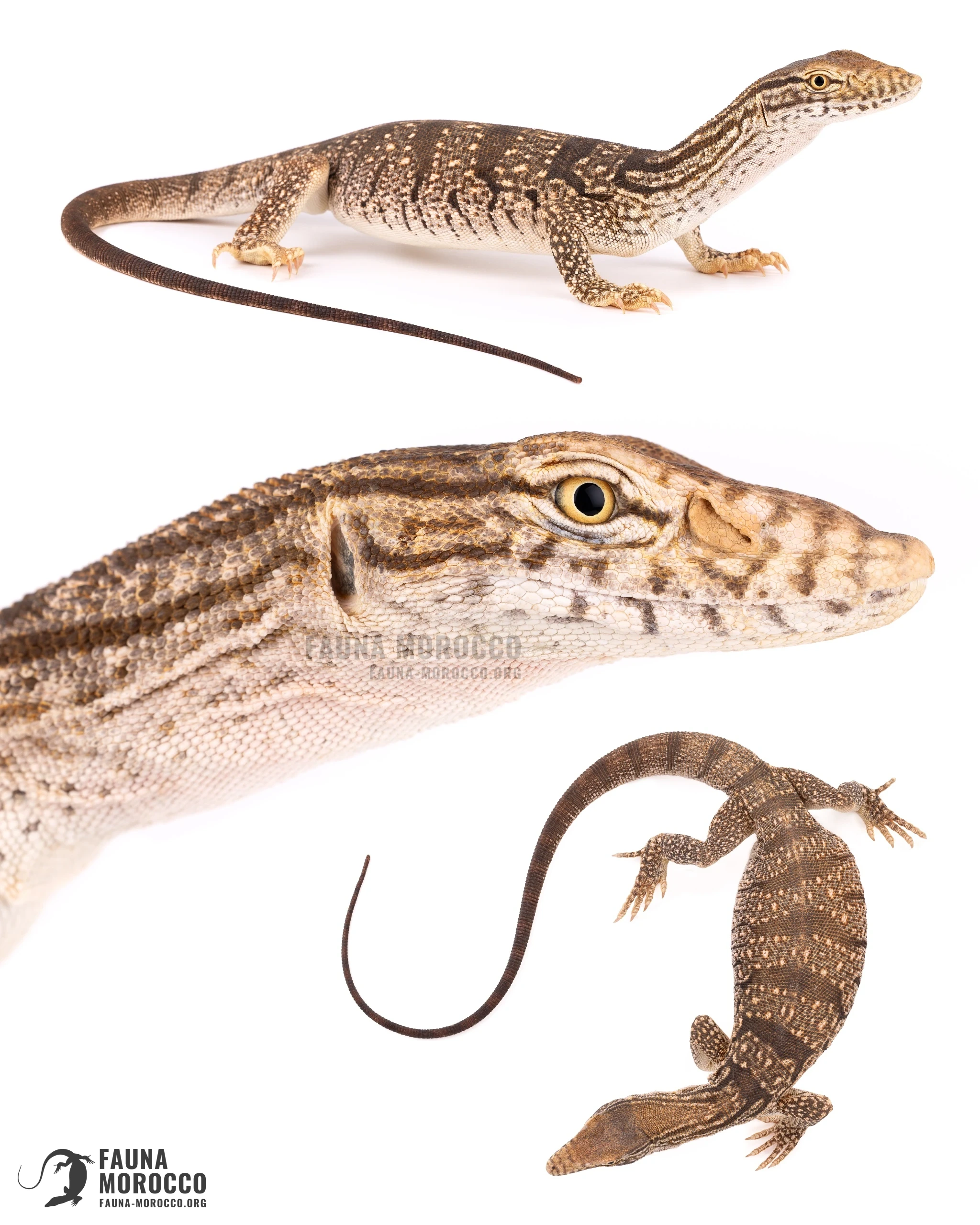
As the largest lizard in Morocco, the Desert Monitor is one of the most impressive reptiles in the country. As an apex predator, it plays a crucial role in maintaining ecological balance by regulating populations of small mammals, birds, and insects. It stands as a striking example of the fragile balance between desert wildlife and people: hunted for its supposed medicinal properties, it also falls by accident into wells, cisterns and reservoirs it cannot climb back out of, likely the greatest threat the species faces in Morocco.
The Desert Monitor (Varanus griseus) is the largest Saharan lizard. It has an elongated, robust body that can reach more than one metre in total length depending on the population. The tail generally represents 120 to 150% of the snout-to-vent length4. The limbs of this monitor are broad and sturdy. Its size varies greatly depending on the region: in Iraq, some individuals reach 120 cm, while in Palestine specimens rarely exceed 100 cm, and in Algeria, individuals measuring 80 cm are already considered large4. This variability suggests that climatic conditions and the availability of food resources directly influence growth and maximum attainable size. One may assume that Moroccan populations follow the same trend. During our expeditions, we observed specimens with a total length slightly exceeding 80 cm (pers. obs.).
The colouration of the Desert Monitor is highly variable: in arid and sandy areas, some individuals display an almost uniform colour, whereas in more vegetated environments, the patterning is more contrasted. Juveniles always show brighter colouration than adults4, as well as more contrasted. Despite these variations, the base colour is generally sandy, interspersed with black patterns in bands of varying width, fine lines, or spots. The nostrils are set well back, close to the eyes, probably an adaptation to dry, sandy ground5. This lizard is easily distinguishable from other saurian species found in Morocco, being the largest of them all.
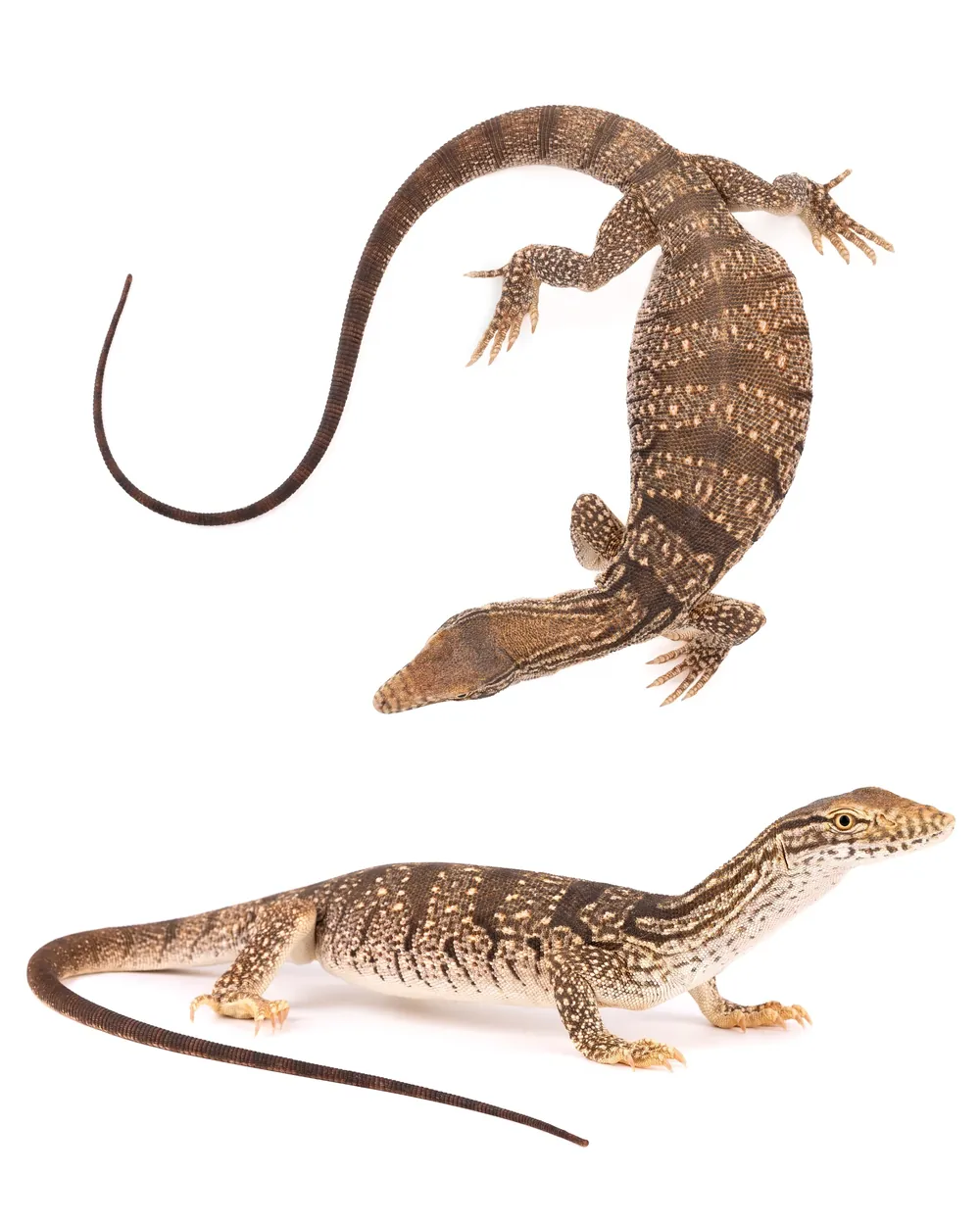
Desert Monitor (Varanus griseus), dorsal and lateral views of an individual from Msied.
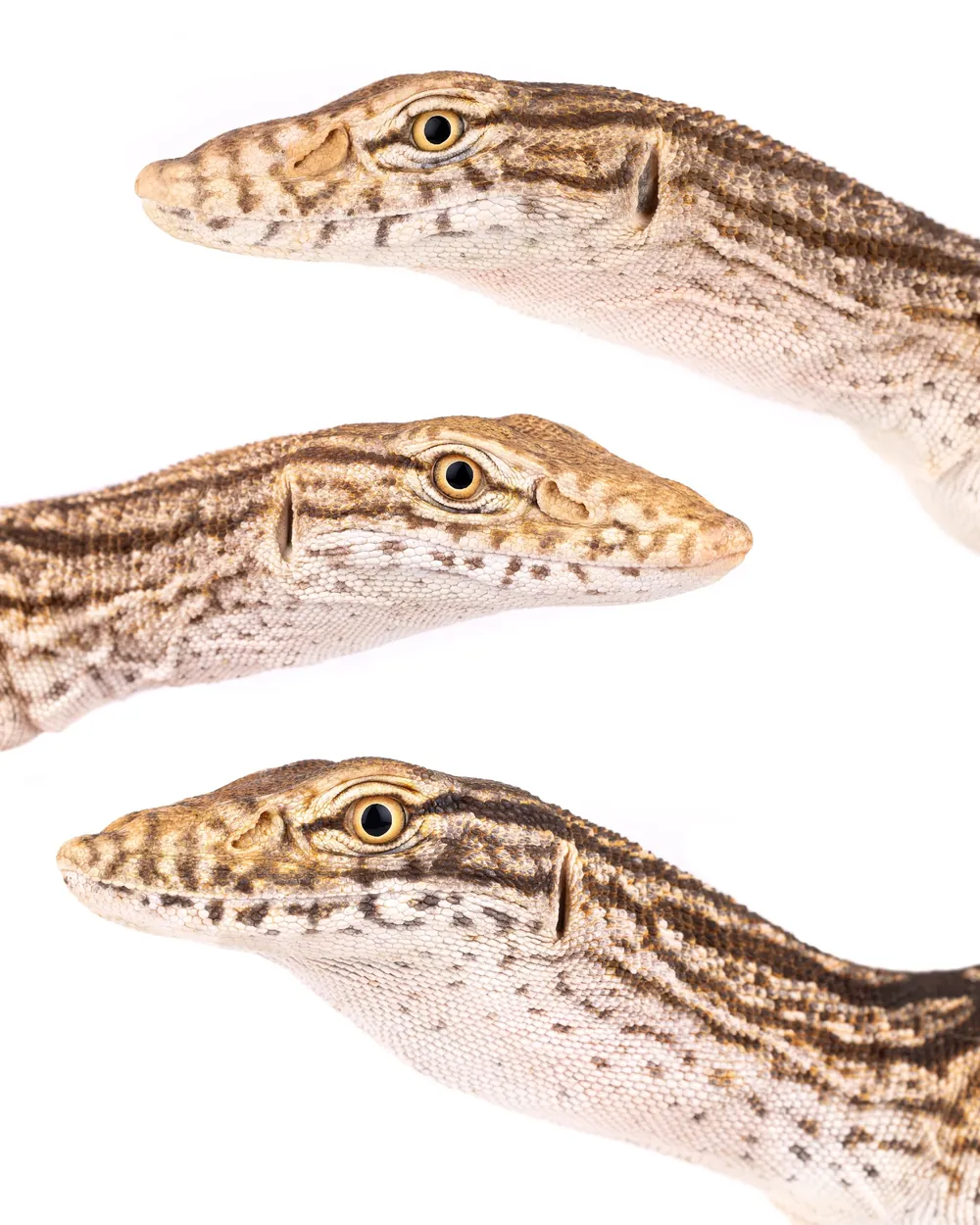
Portraits of Desert Monitors (Varanus griseus) from different localities, showing the variety in coloration and the nostrils set high on the snout. From top to bottom: Smara, Smara, Msied.
01 / 02
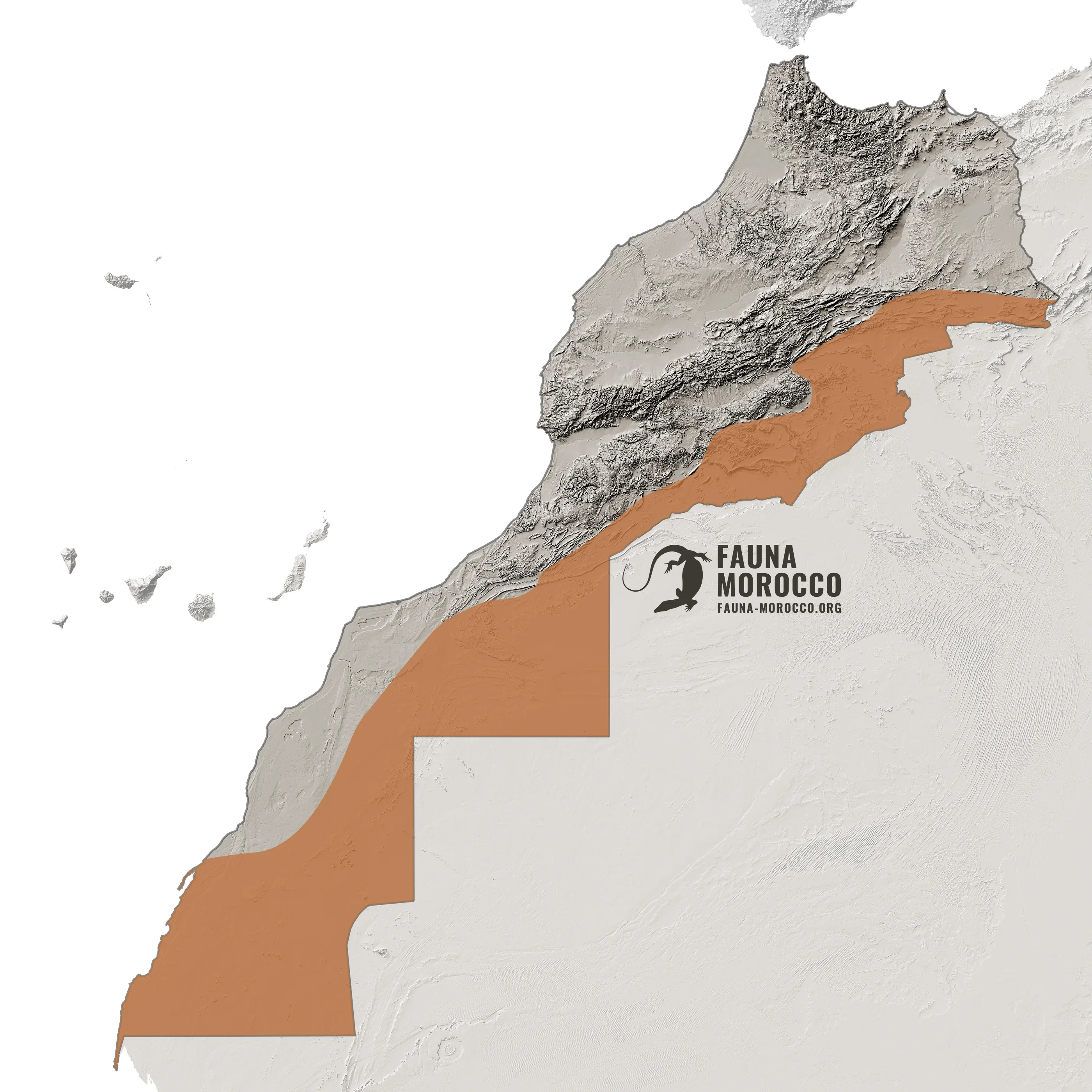
Distribution of Varanus griseus in Morocco.About this map
These distribution maps are produced by Fauna Morocco. Ranges are shown as estimates based on published records and our own field observations. They are updated when new data become available. Check out the references used for this map.
In Morocco, the Desert Monitor is widely distributed in desert and Saharan areas south of the Atlas Mountains, with a strong presence in the Atlantic Sahara22. Moroccan populations are probably all connected, even though this species is often considered to occur at low density in the country. The reality is certainly more complex, and some regions likely harbour higher densities of monitors. This impression of low density is probably due to its highly discreet behaviour. Based on our observations and collected testimonies, it appears to be present in most regions south of the Atlas. However, it is absent from the coastal habitats and the Souss valley (pers. obs.). On a global scale, its distribution range covers North Africa (Morocco, Mauritania, Algeria, Tunisia, Libya, Egypt, Sudan, Chad), the Arabian Peninsula (Saudi Arabia, Yemen, Oman, Kuwait), Southern Iraq and South-western Iran41124.
The species occupies desert and semi-desert environments, including dunes, regs, rocky plains, and sparsely shrub-covered areas. It tolerates a wide variety of substrates (gravel, dunes, dry plains)4 and altitudes up to ~1,200 m2. During our expeditions, we found tracks and living or dead specimens within sandy deserts, low-density agricultural areas, relatively close to urbanised areas, and rocky-soiled plateaus with few inhabitants (pers. obs.). This variety clearly illustrates the versatility of the species, far from the cliché of a purely desert-dwelling and elusive animal, and closer to that of a discreet opportunist.
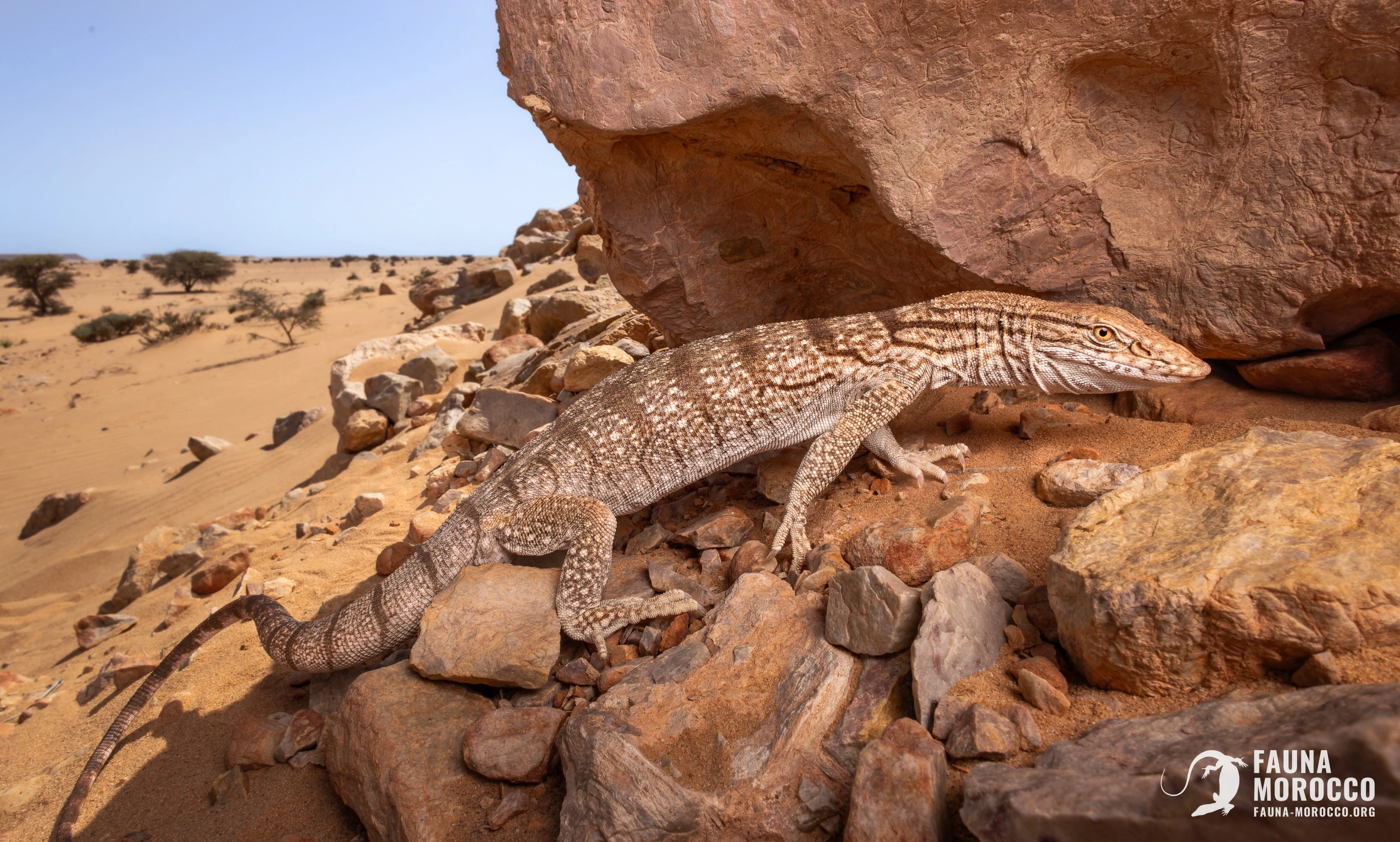
Desert Monitor (Varanus griseus) in its environment, in the middle of the Moroccan desert.
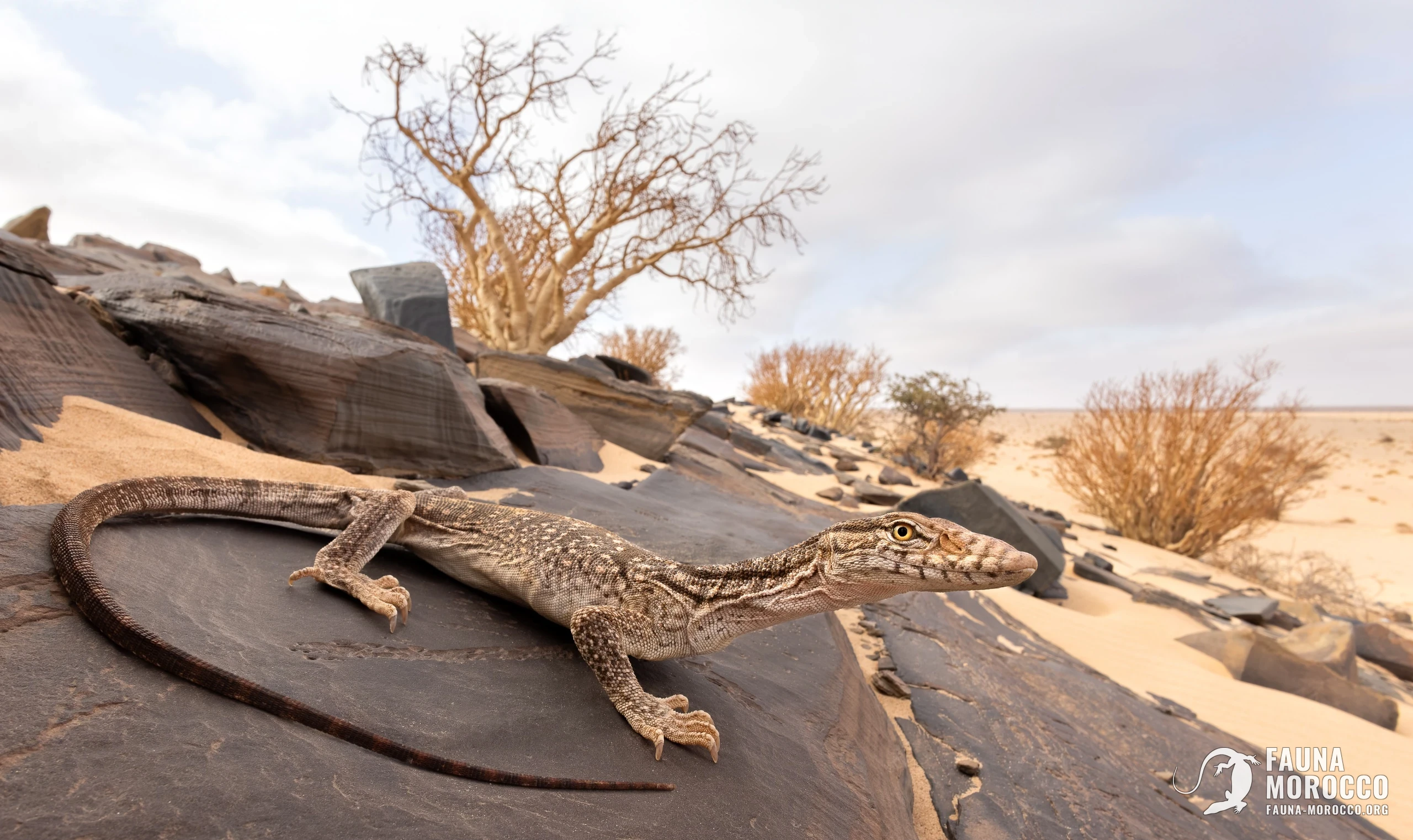
Desert Monitor (Varanus griseus) rescued from a well where it was trapped, hence its sadly skinny appearance, in its habitat, near Smara.
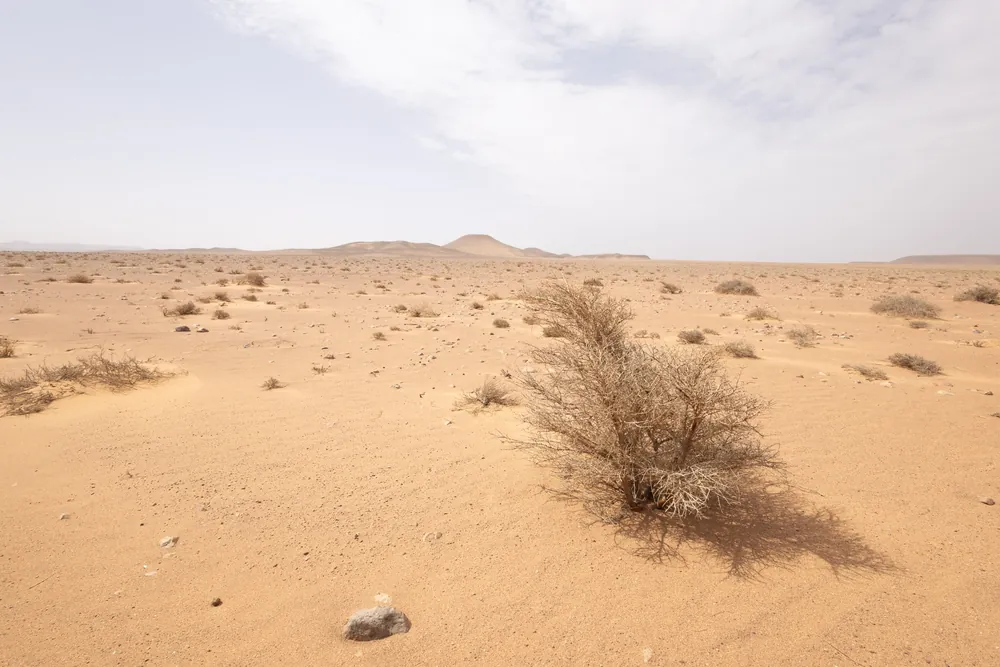
Habitat of the Desert Monitor (Varanus griseus) near Msied.
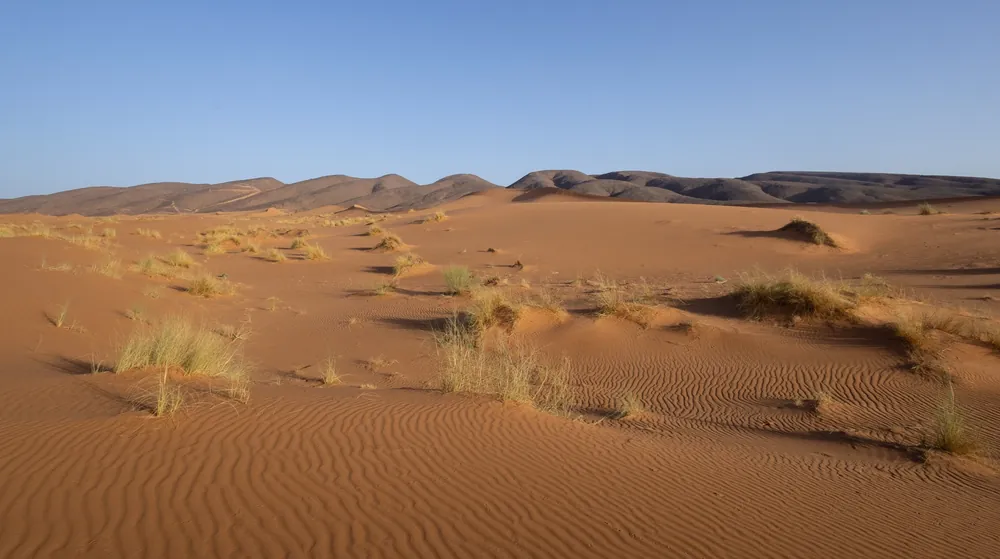
Sandier habitat of the species near Merzouga.
The diet of the Desert Monitor is highly varied and opportunistic. In Israel, it mainly consumes other reptiles (lizards, snakes), ground-nesting birds, tortoises and their eggs, as well as mammals such as gerbils and young hares. It is also necrophagous, feeding on carcasses, including those of hedgehogs or even cats17. Analyses conducted in various countries (Algeria, Turkey, Arabia, Egypt, Tunisia) confirm the same trend: the Desert Monitor takes any suitably sized prey it encounters, including invertebrates such as beetles, orthopterans, scorpions, and ants4. It is reasonable to assume that the Moroccan diet is similar. Cases of monitors consuming venomous snakes are reported both verbally12 and in the literature4.
The Desert Monitor is adapted to extreme heat and dryness. Burrows play a crucial role: in Israel, they measure on average 125 cm in length and 30 cm in depth16. In Algeria, burrows up to 3 m deep have been recorded4. In Morocco, neither the depth nor the complexity of burrows is documented, but the sandy and rocky substrates make similar shelters plausible. These burrows allow the animal to access a cooler and more humid microhabitat.
The species actively regulates its body temperature. In Egypt, its optimal body temperature is 35 to 38 °C, reached by basking in the morning and then held through to early afternoon. Activity stops below 20 °C, hibernation begins around 17 °C, and 44 to 47 °C is lethal219. In the field, active animals held body temperatures of 33.7 to 41.9 °C, emerged two to four hours after sunrise (earlier in summer), and showed a single activity peak in May and June9. The species is diurnal and has only exceptionally been recorded at dawn or after dark14.
The Desert Monitor is active mainly in spring and autumn, while it likely remains confined to its burrows during the coldest periods of winter and the hottest periods of summer. In Algeria, two main activity periods have been described: from April to June, then in October4. In Mauritania, individuals have been observed until November4. In Morocco, we recorded monitor activity in the middle of summer, in August, using camera traps (pers. obs.). We also documented fresh tracks on many occasions during morning walks in multiple regions in August and September, indicating summer activity as well (pers. obs.). Monitors have also been observed by other herpetological groups in Morocco in the middle of summer (pers. comm.). It is therefore likely that monitors reduce their activity to the cooler hours of the day during the peak of summer, yet they still remain active.
Both local density and home-range size appear highly variable, tracking prey availability. Densities are higher in the more humid Saharan zones (about 6 individuals per km²) than in more arid areas (about 2 per km²)19. Home ranges are well defined and consistently larger in males than in females18. Their measured size differs markedly between regions, from about 0.075–0.228 km² in Sinai10 and 0.32–0.98 km² in Israel18 to 1–5 km² in Algeria19. In the Algerian Sahara, daily movements average 0.5–2.5 km on stony hamada and 0.1–1.2 km along wadis20.
When threatened, the monitor runs for the nearest burrow. Cornered, it gapes, hisses loudly, and lashes at the aggressor with the tail (pers.obs.). Biting is a last resort. Every bite that we witnessed while getting Desert Monitors out of wells lasted for at least 20 minutes, and it was nearly impossible to make the monitor let go (pers.obs.). The teeth were sharp enough to cut through leather gloves. Handling these animals with bare hands is strongly discouraged.
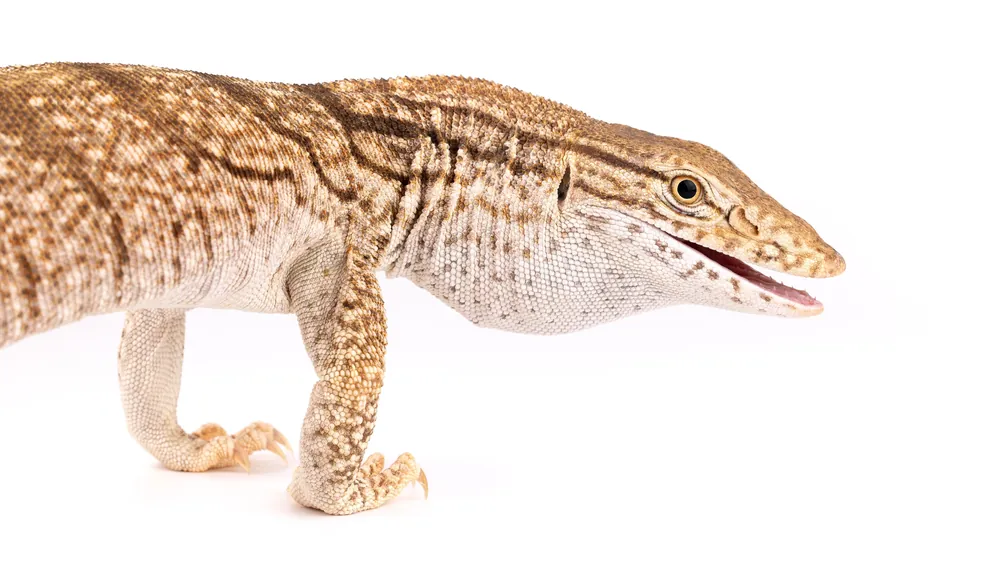
Desert Monitor in a defensive posture, throat inflated, back arched and mouth open.
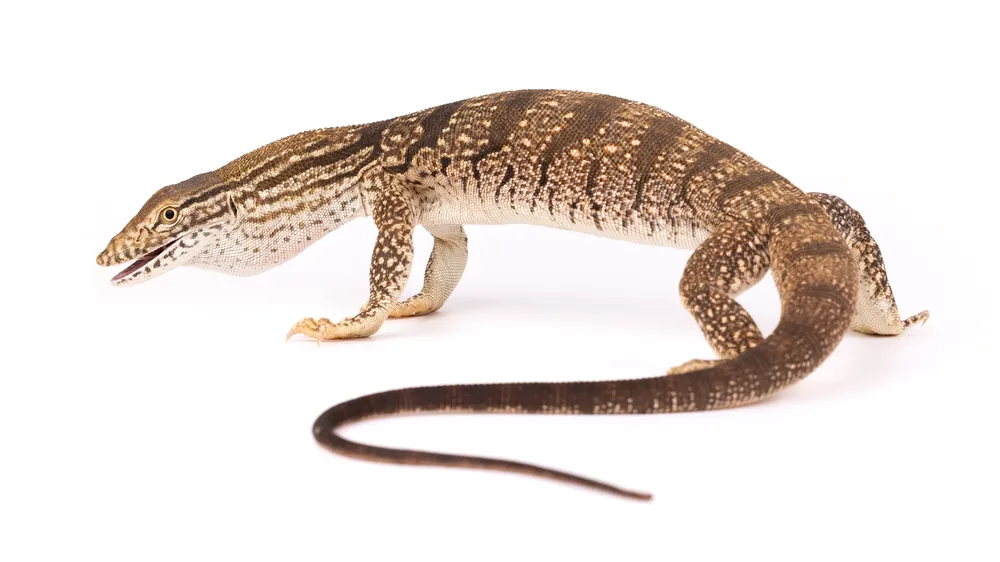
Desert Monitor in a defensive posture, throat inflated, back arched and tail held between its body and the threat.
The Desert Monitor is not venomous in the way snakes are, but its saliva is toxic. A study on Varanus griseus caspius in Central Asia recorded generalized muscle pain, digestive upset, tachycardia, and weakness after a prolonged bite, during which the animal stays attached for several minutes. A short bite carries no apparent risk23.
Data on reproduction in Morocco are lacking. However, in neighbouring regions (Algeria, Tunisia, Israel), mating occurs in May and June, and egg-laying takes place in June and July4. Clutch size is reported as 5 to 12 eggs3, and the female is reported to remain near the laying site14. Females can lose up to 47% of their body mass after laying16. Incubation probably lasts several months, but its length is uncertain: some authors place hatching in autumn, others the following spring1434. Sexual maturity is reached at around 4 years1.
No longevity data exist for wild Varanus griseus anywhere in its range. A maximum of 17 years was recorded in captivity1.
In Morocco, the Desert Monitor is classified as “Near Threatened” on the national Red List13. Globally, it is assessed as “Least Concern” due to its wide distribution, despite a decreasing global population trend15. The main threats include:
- road collisions22
- habitat destruction
- direct persecution by humans4
- accidental mortality due to falls into matfias (traditional wells), pipeline inspection shafts, cisterns, and agricultural reservoirs22.
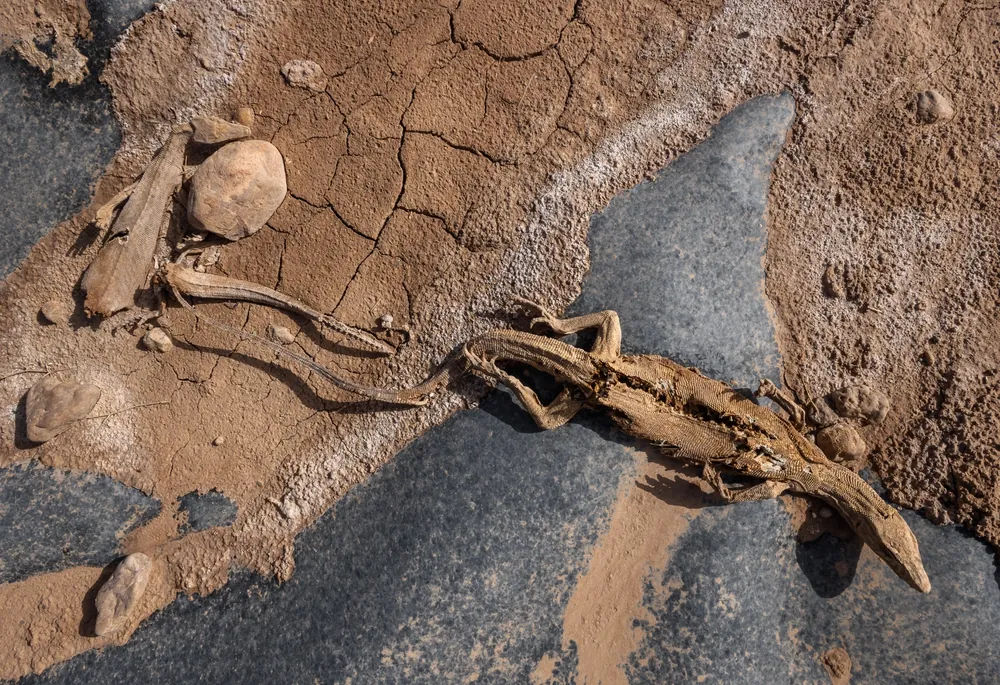
Dead Monitor lizards in a water retention basin in an agricultural area, in the middle of an otherwise very arid region.
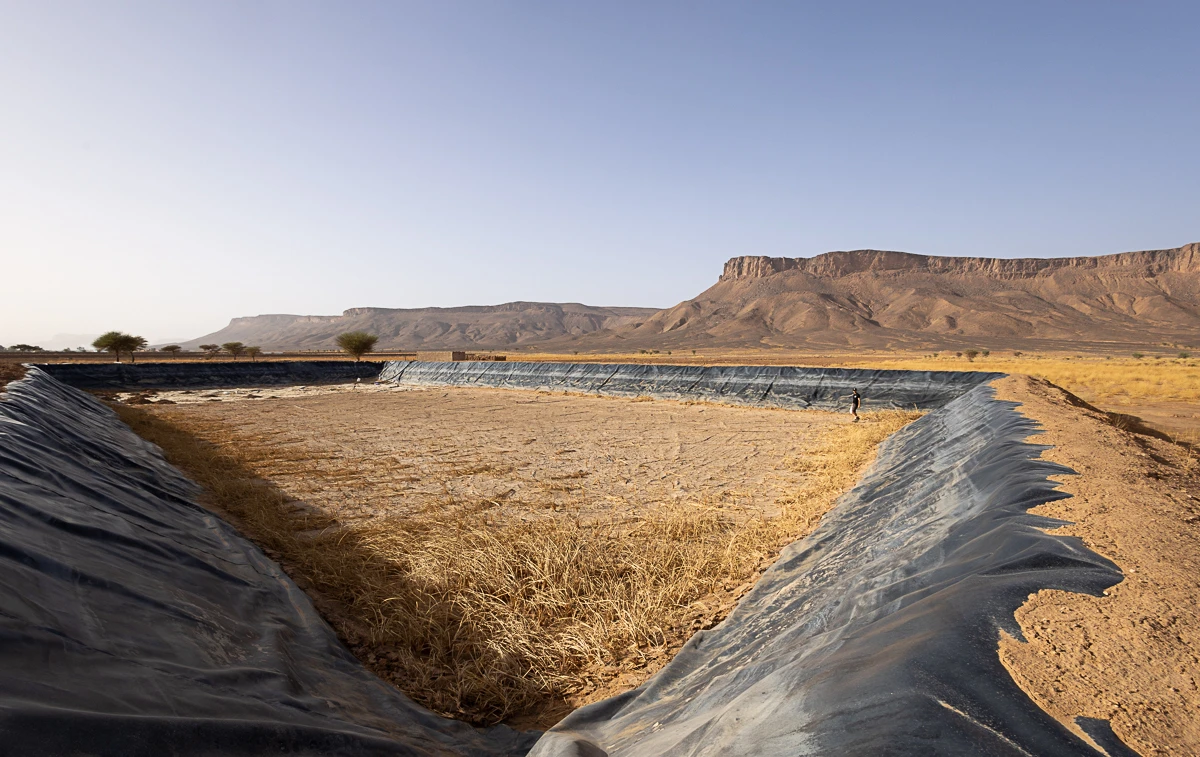
The agricultural basins in question, deadly traps for many Monitor lizards every year.
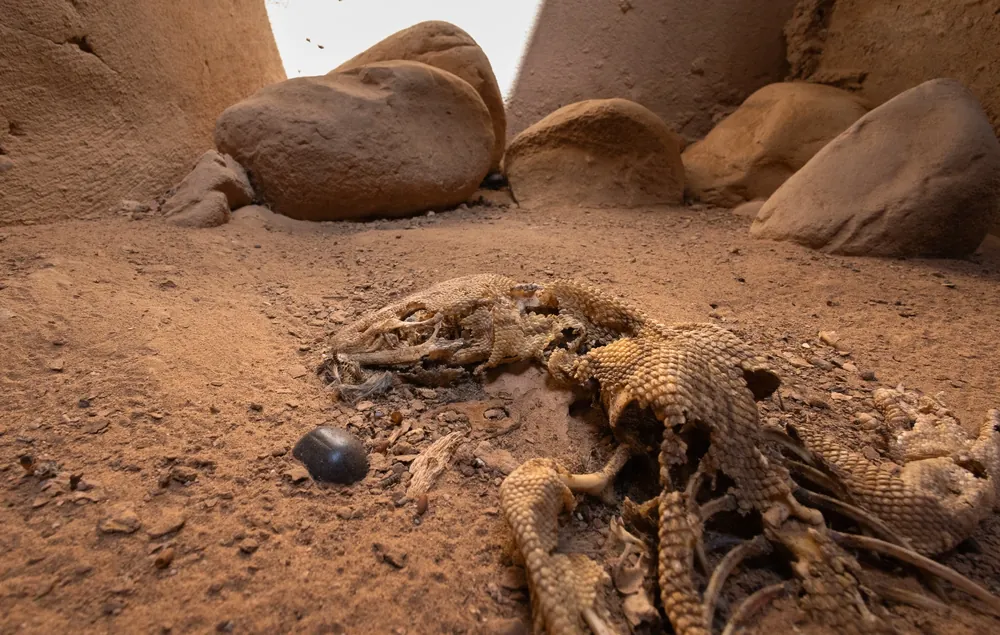
A Monitor lizard found dead and decomposing in a pipeline inspection shaft near a city.
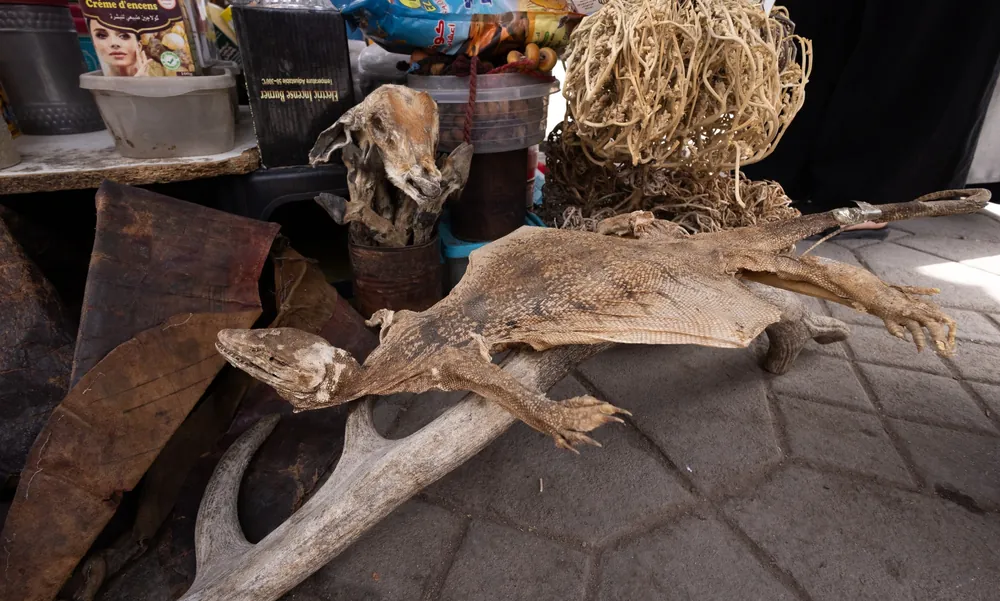
A dried Desert Monitor for sale in Jemaa el-Fna Square in Marrakech.
Persecution has deep cultural roots. The Desert Monitor is widely feared, believed to be venomous4 and even believed capable of breaking a camel's legs with a lash of its tail8, and is often killed on sight. It is often collected opportunistically. It is also taken for traditional medicine: its skin used as a poultice against skin diseases, and animals hunted to be sold to people seeking a cure for serious illnesses such as cancer (pers. obs.). Its skin is likewise kept in homes and tents to ward off snakes (pers. obs.)22.
In Morocco, the monitor frequently falls into wells, reservoirs, and pipeline inspection shafts, where it can remain trapped, a significant threat to the species22. During our expeditions, we found dead individuals in agricultural reservoirs, sometimes several in the same place. As the country's only varanid and an emblematic desert species, it is also sought after by naturalists, who often check these wells and reservoirs and can give trapped animals a second chance, though such rescues occasionally lead to excessive relocation.
Finally, the species is listed in Appendix I of CITES, strictly prohibiting international trade for commercial purposes7. Skin harvesting has therefore fallen to very low levels since the listing, though persecution and occasional take for food and the pet trade still persist15.
Maps
- Bons, J., & Geniez, P. (1996). Amphibiens et reptiles du Maroc (Sahara Occidental compris). Atlas biogéographique. Asociación Herpetológica Española.
- Martínez del Mármol, G., Harris, D. J., Geniez, P., de Pous, P., & Salvi, D. (2019). Amphibians and Reptiles of Morocco. Frankfurt Contributions to Natural History, 74. Edition Chimaira.
Species account
- AnAge (2026). Varanus griseus. Human Ageing Genomic Resources. https://genomics.senescence.info/species/ Retrieved 15 August 2026.
- Anderson, S.C. (1963). Amphibians and reptiles from Iran. Proceedings of the California Academy of Sciences, 31(16), 417–498.
- Aymerich, M. (2012). Varan du désert (Varanus griseus). GERES. Version archivée du 12 mars 2014 (Wayback Machine; site d'origine geres-asso.org aujourd'hui détourné), copie détenue.
- Bennett, D. (1995). A little book of monitor lizards. Viper Press, Aberdeen.
- Böhme, W., Ehrlich, K., Milto, K.D., Orlov, N., & Scholz, S. (2015). A new species of desert monitor lizard (Varanidae: Varanus: Psammosaurus) from the western Zagros region (Iraq, Iran). Russian Journal of Herpetology, 22(1), 41–52.
- Böhme, W., Ahmed, S.H., Al-Sheikhly, O.F., Ararat, K., Auer, M., Khudur, F.A., & Langner, C. (2023). Desert monitor lizards (Squamata: Varanidae: Varanus: Psammosaurus) from the Middle East. Russian Journal of Herpetology, 30(6), 518–528.
- CITES (2025). Appendices. https://cites.org/eng/app/appendices.php Retrieved 15 August 2026.
- Escoriza, D., Ferrer, J., Amat, F., & Tarragó, A. (2011). Nova cita i aspectes ecològics del varà del desert Varanus griseus al Sàhara Occidental. Butlletí de la Societat Catalana d'Herpetologia, 19, 70–74.
- Ibrahim, A.A. (2000). A radiotelemetric study of the body temperature of Varanus griseus in Zaranik Protected Area, North Sinai, Egypt. Egyptian Journal of Biology, 2, 57–66.
- Ibrahim, A.A. (2002). Activity area, movement patterns, and habitat use of the desert monitor, Varanus griseus, in the Zaranik Protected Area, North Sinai, Egypt. African Journal of Herpetology, 51(1), 43–57.
- iNaturalist (2025). Observations of Varanus griseus. Consulté le 4 décembre 2025, depuis https://www.inaturalist.org/observations?taxon_id=39407
- Martínez del Mármol Marín, G. (2012). Varanus griseus (Daudin, 1803). In Moroccoherps. Amphibians and Reptiles of Morocco and Western Sahara. https://www.moroccoherps.com/en/ficha/Varanus_griseus/ Retrieved 15 August 2026.
- Pleguezuelos, J.M., Brito, J.C., Fahd, S., Feriche, M., Mateo, J.A., Moreno-Rueda, G., Reques, R., & Santos, X. (2010). Setting conservation priorities for the Moroccan herpetofauna: the utility of regional red lists. Oryx, 44, 501–508, cote nationale (NT) reprise via Zdunek et al. (2024)23.
- Schleich, H.H., Kästle, W., & Kabisch, K. (1996). Amphibians and reptiles of North Africa. Koeltz, via Martínez del Mármol Marín (2012)12.
- Soorae, P. et al. (2021). Varanus griseus. The IUCN Red List of Threatened Species 2021: e.T62252A3110663.
- Stanner, M. (1985). Monitoring the desert monitor. Israel Land & Nature, 10(4), 142–145, via Bennett (1995)4.
- Stanner, M., & Mendelssohn, H. (1986). The diet of Varanus griseus in the southern coastal plain of Israel. Israel Journal of Zoology, 34(1–2), 67–75, via Bennett (1995)4.
- Stanner, M., & Mendelssohn, H. (1987). Sex ratio, population density and home range of Varanus griseus in the southern coastal plain of Israel. Amphibia-Reptilia, 8(2), 153–163.
- Vernet, R. (1977). Recherches sur l'écologie de Varanus griseus dans les écosystèmes sableux du Sahara nord-occidental (Algérie). Thèse de 3e cycle, Université Paris VI, 118 pp, via Bennett (1995)4 & Ibrahim (2002)10.
- Vernet, R., Lemire, M., & Grenot, C. (1983). Rythme d'activité et bilan hydrique de Varanus griseus dans les conditions naturelles (Sahara). Bulletin de la Société Herpétologique de France, 26, 39–41.
- Vernet, R., Lemire, M., & Grenot, C. (1988). Ecophysiological comparisons between two large Saharan lizards, Uromastix acanthinurus (Agamidae) and Varanus griseus (Varanidae). Journal of Arid Environments, 14, 187–200.
- Zdunek, P., Bouazza, A., & Martínez del Mármol, G. (2024). Dragons in desert trouble: anthropogenic wells as a potential threat to the Desert Monitor, Varanus griseus (Daudin, 1803), in Morocco. Herpetology Notes, 17, 821–826.
- Zima, Y. (2019). On the toxicity of the bite of the Caspian Gray Monitor Lizard (Varanus griseus caspius). Biawak, 13, 115–118.
- Zima, Y.A., & Fedorenko, V.A. (2024). The range of the Desert Monitor Varanus griseus caspius (Eichwald, 1831) in Central Asia. Frontiers of Biogeography, 17, e138199.
How to cite
Ruffieux, C., & Vuillemin, R. (2026). Desert Monitor (Varanus griseus). In: Castella, C., Iallaten, H., Ruffieux, C., & Vuillemin, R. (Eds.), Fauna Morocco. The Free Encyclopedia: Reptiles & Amphibians of Morocco. Available from https://fauna-morocco.org/encyclopedia/sauria/varanidae/varanus-griseus.html (accessed 5 September 2026).
Published
5 September 2026
Last updated
22 September 2026
Authors
Colin Ruffieux
Rayane Vuillemin
Reviewers
Clément Castella
Haytam Iallaten
Mohamed Taha Aissaoui
Photography
Rayane Vuillemin
Methodology
Each account is a scientific synthesis: we compile the literature, read each paper in full, verify facts against their original sources when possible, and flag uncertainties for expert review. It is written first in English, reviewed by the team, then translated into French and Arabic. Every claim is referenced, and accounts are updated as knowledge advances. If you spot a mistake or an omission, please get in touch so we can fix it.