Common Chameleon

Chamaeleo chamaeleon

Conservation status: Least Concern
Population trend: Stable

Common Chameleon

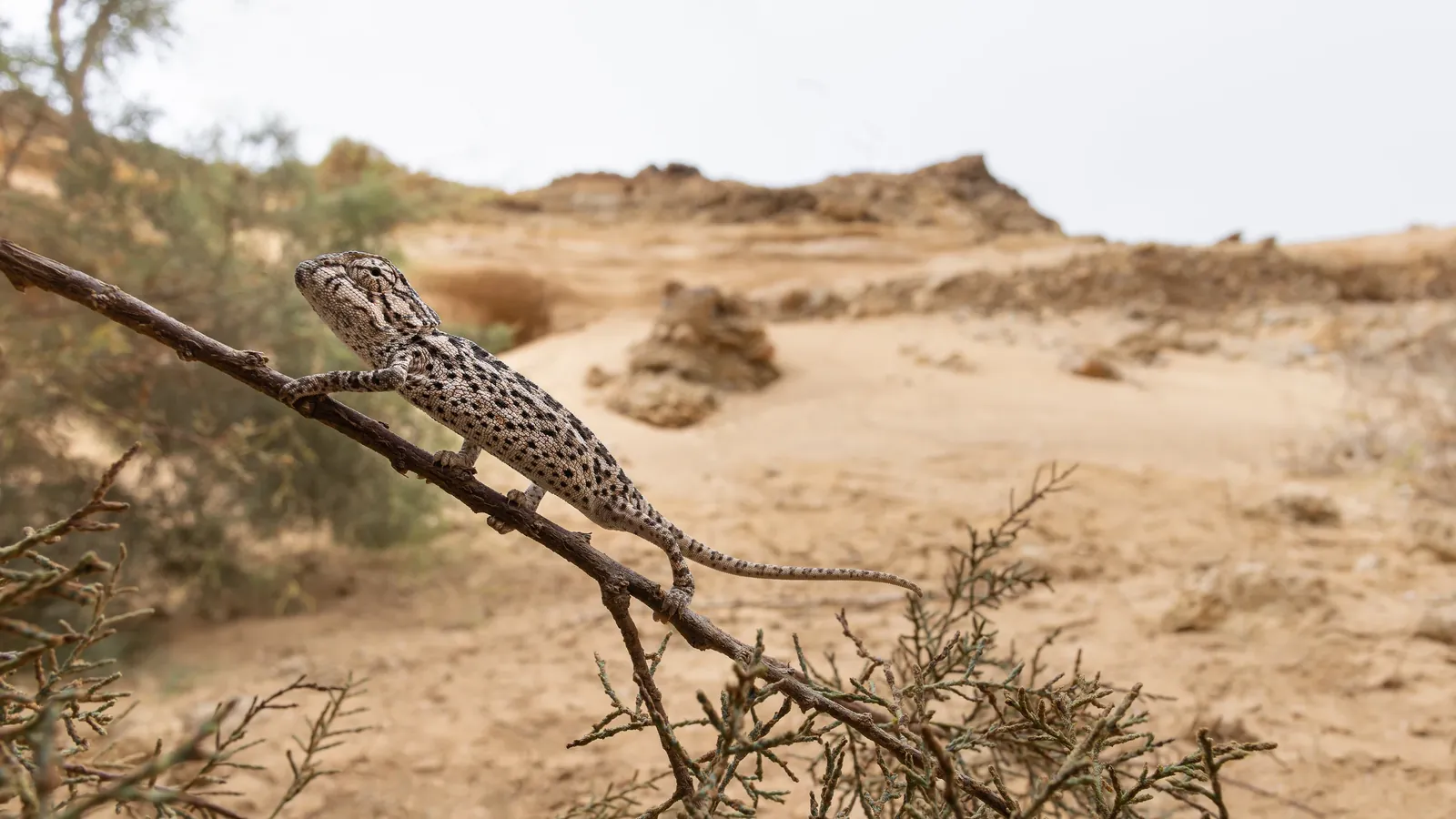
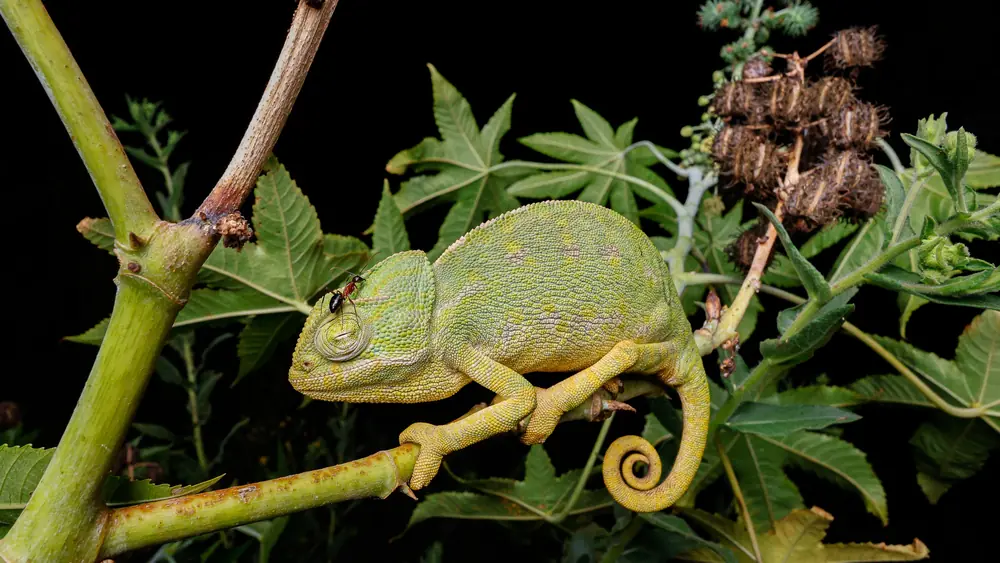
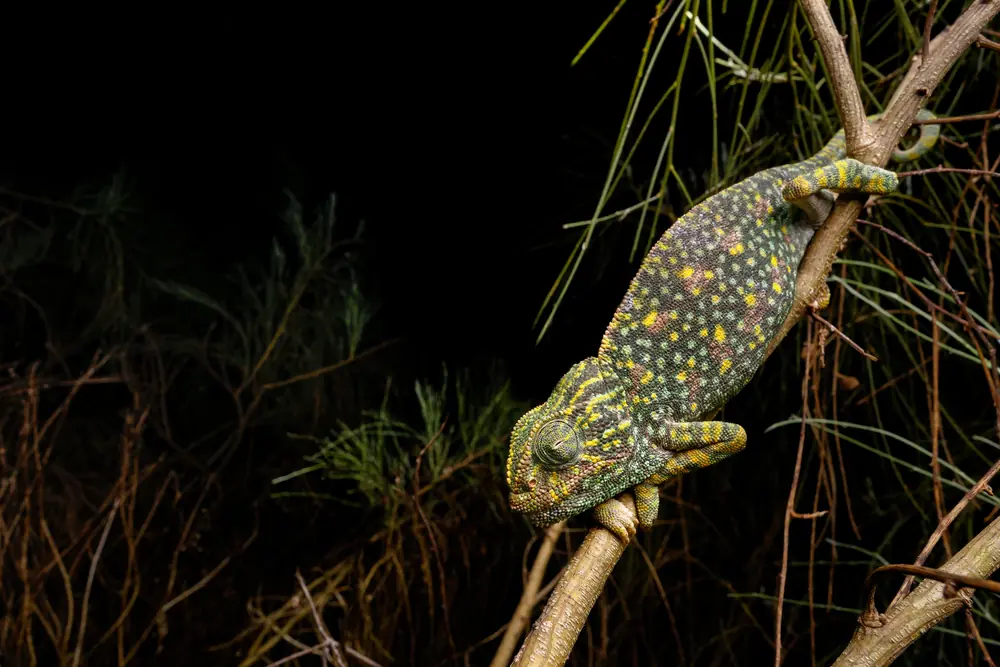
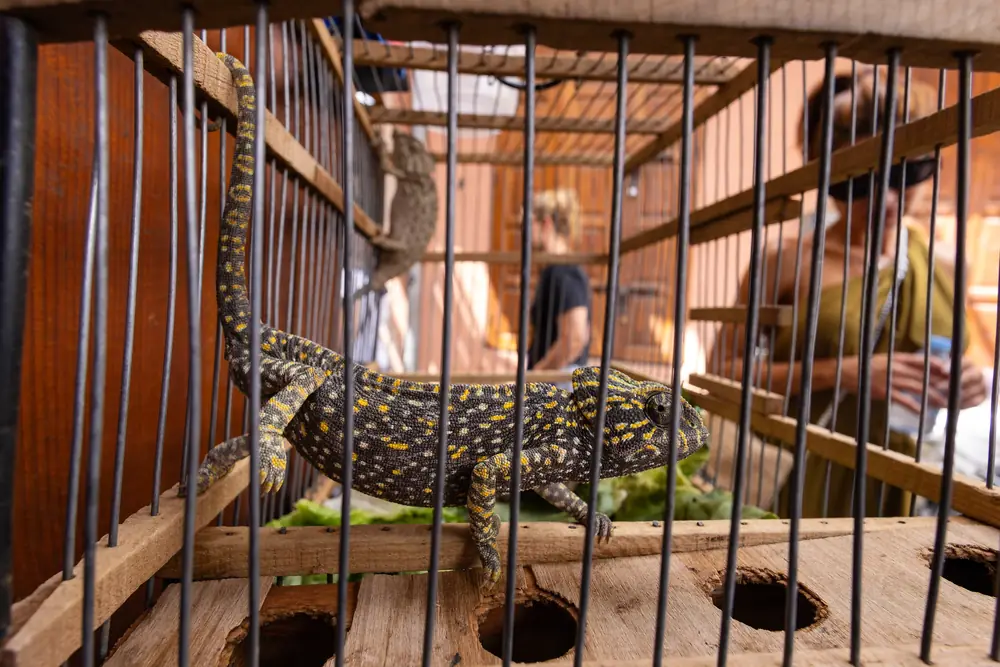
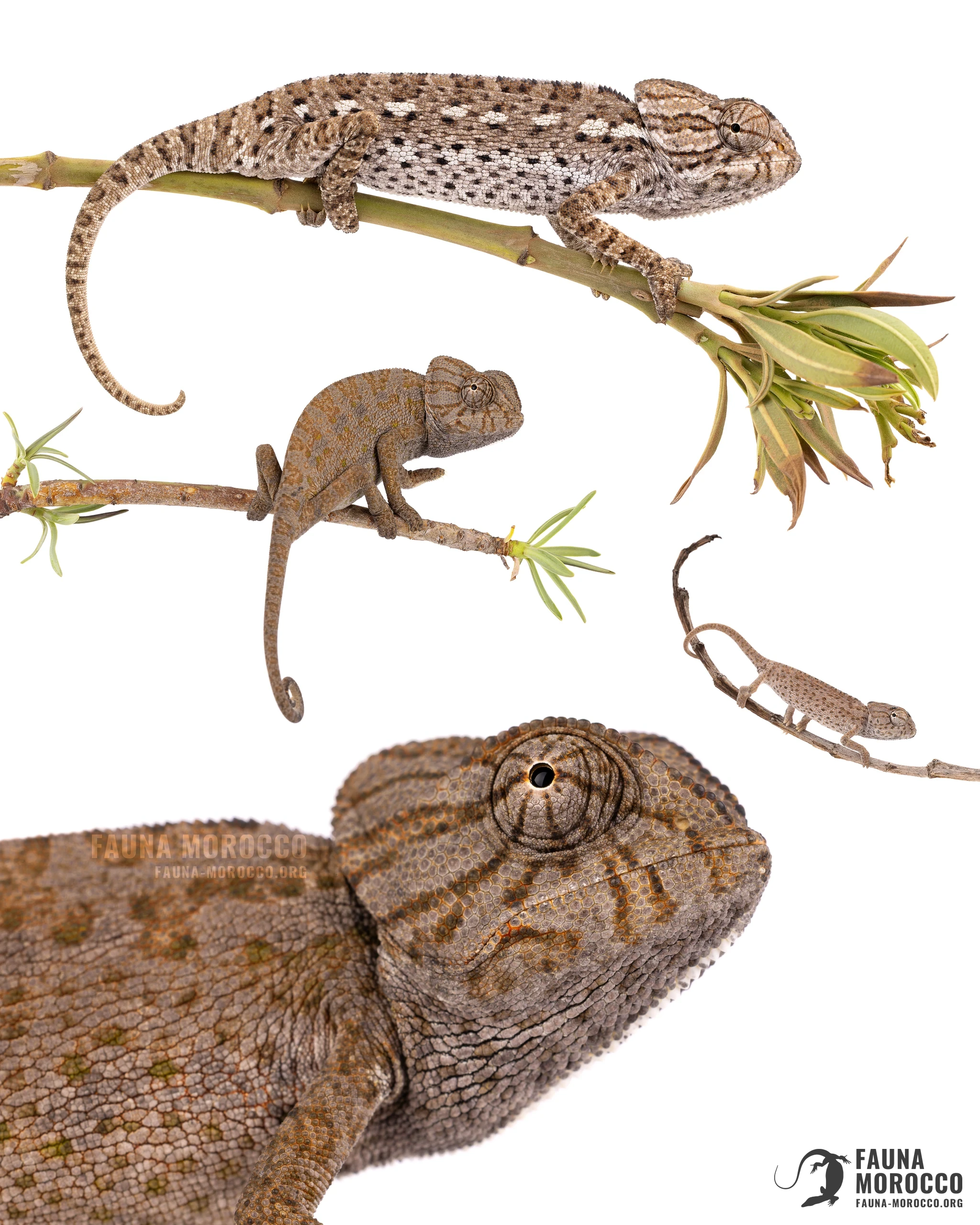
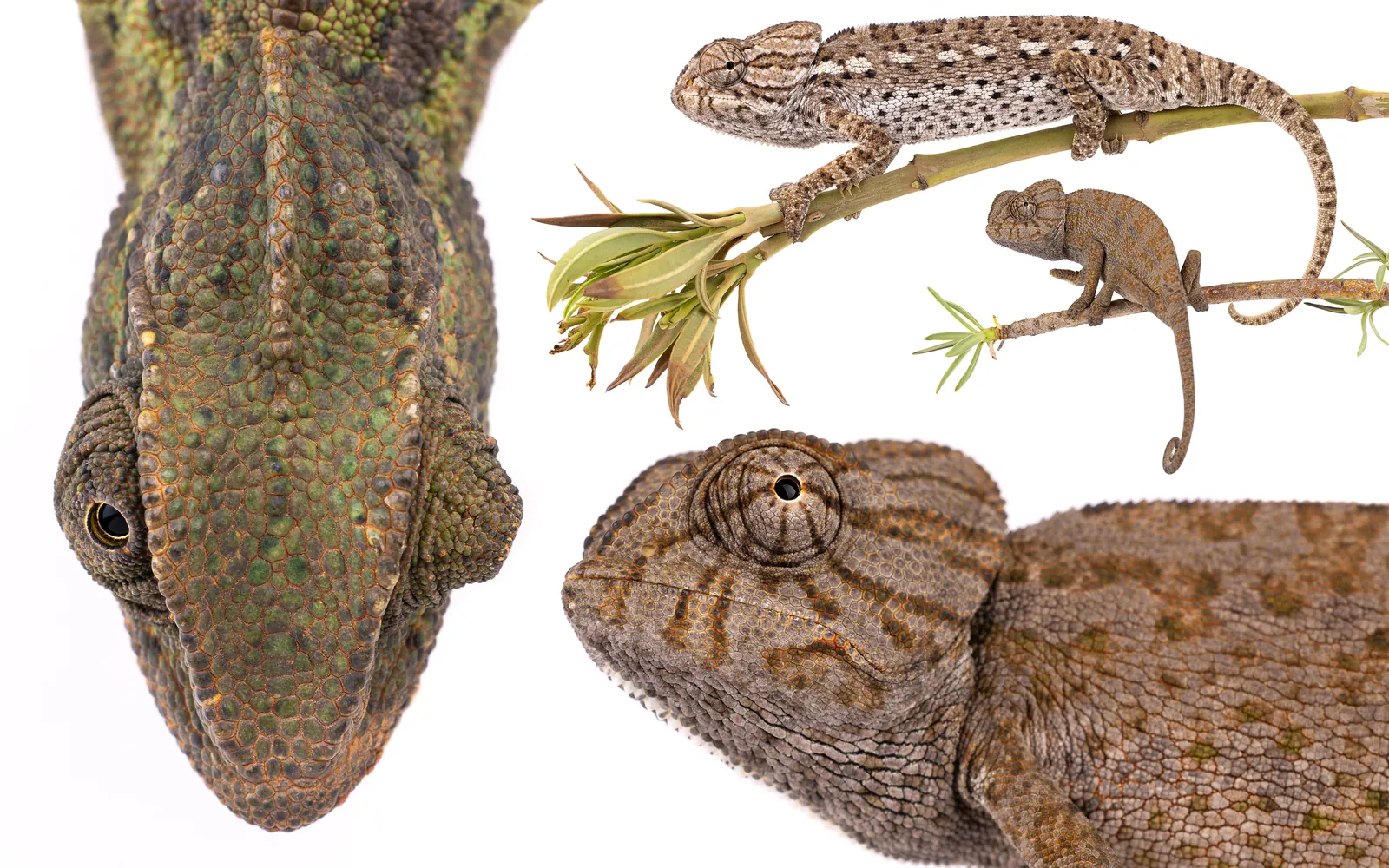
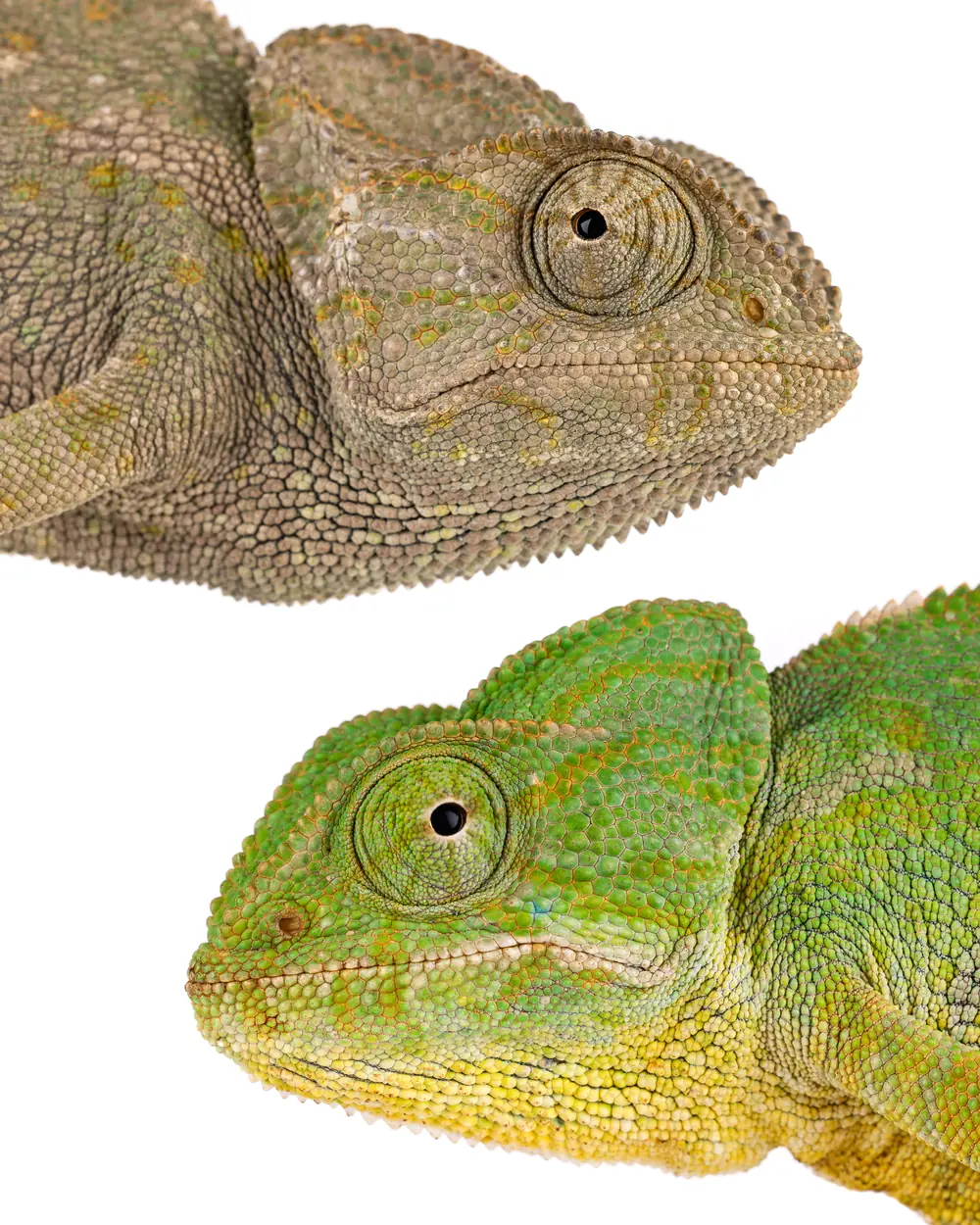
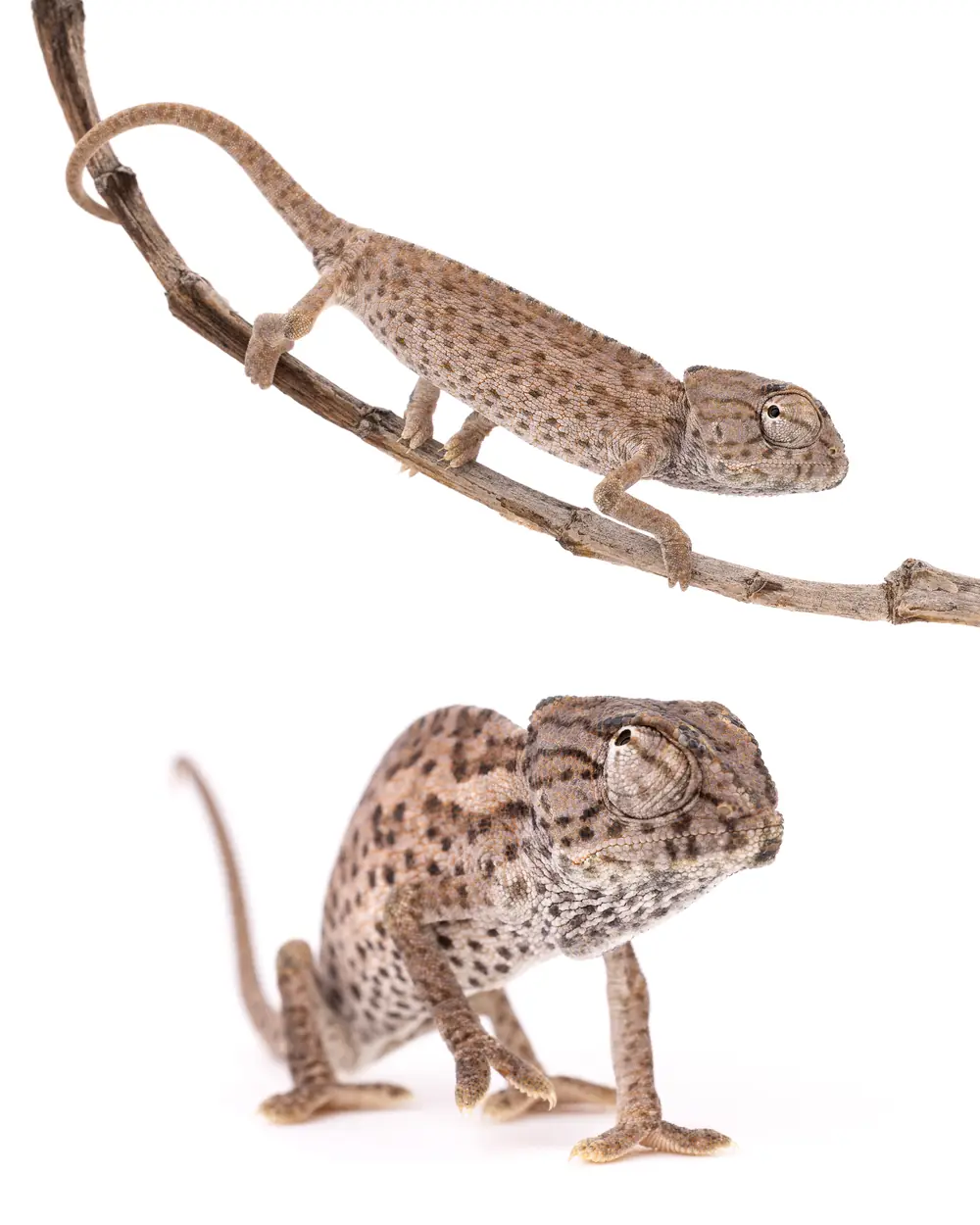
The Common Chameleon (Chamaeleo chamaeleon) is a medium-sized arboreal reptile, the only representative of the family Chamaeleonidae in Morocco. It can reach a snout–vent length greater than 15 cm3. Its coloration ranges from green to brown, always marked by a light longitudinal stripe. Sexually receptive females display yellow spots on a green background, while gravid females bear yellow spots on a black background2. No significant difference in body size or head morphology has been found between adult males and females5. However, adult chameleons can be sexed by the presence of a swelling at the base of the tail, present only in males. The Common Chameleon is a unique lizard and easy to recognize. Its eyes are globular, rounded, and mostly covered by the eyelids. Indeed, only the pupil and a small portion of the iris are visible. The chameleon can nevertheless "blink" or close its eyes. The eyelids then close in the same manner as in other lizards.

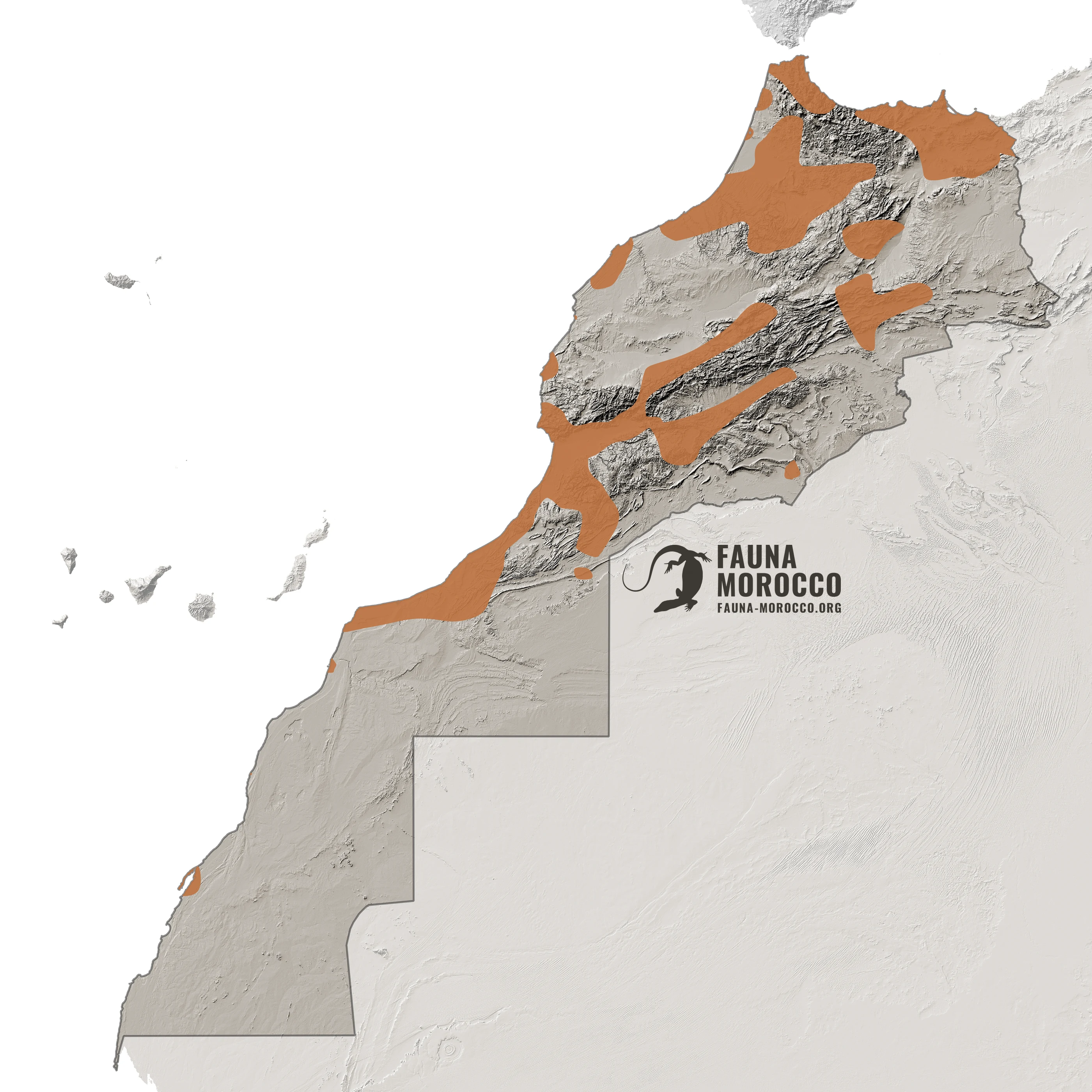
In Morocco, the Common Chameleon appears to be present across most of the country, from the coastline to the heights of the Atlas Mountains, from Dakhla to Oujda, reaching elevations above 1000 m. It does not seem to venture into the more Saharan areas. More broadly, the Common Chameleon is found along the coasts of the Mediterranean Sea, from Morocco to Turkey via Libya. It is also present in Malta, in the southern parts of the Iberian and Italian peninsulas, as well as in the western Arabian Peninsula. Interestingly, it appears that the chameleons of the Iberian Peninsula are not native but were introduced from Morocco on several occasions in the relatively recent past910.

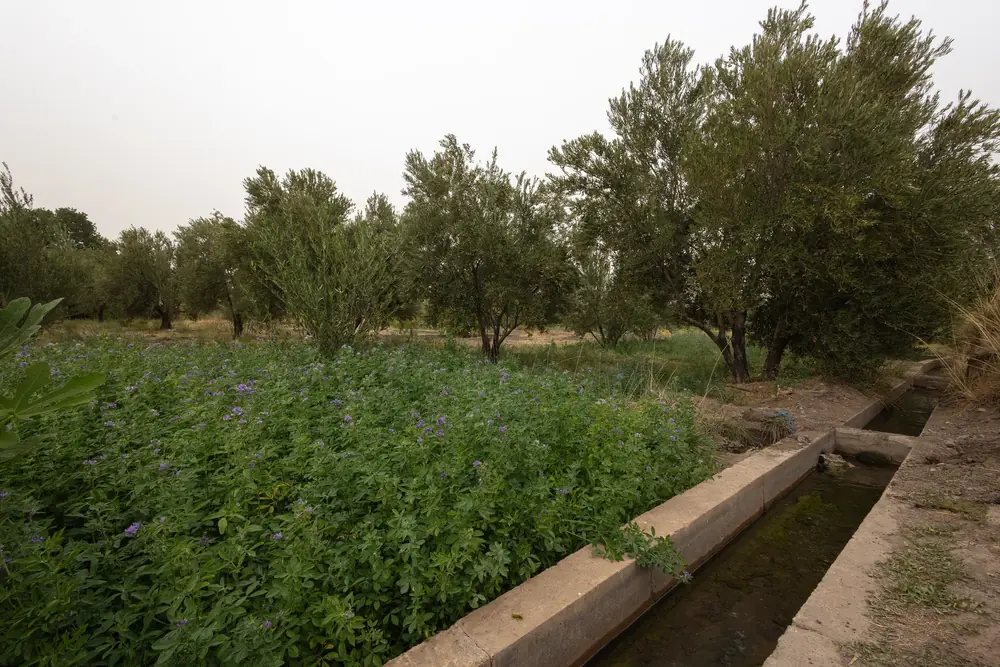
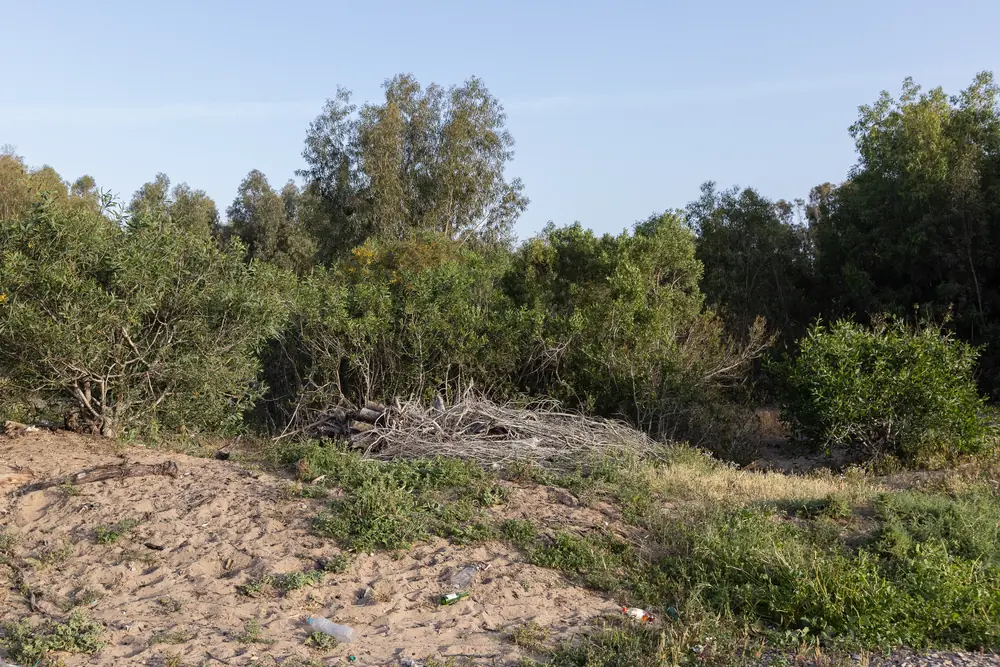
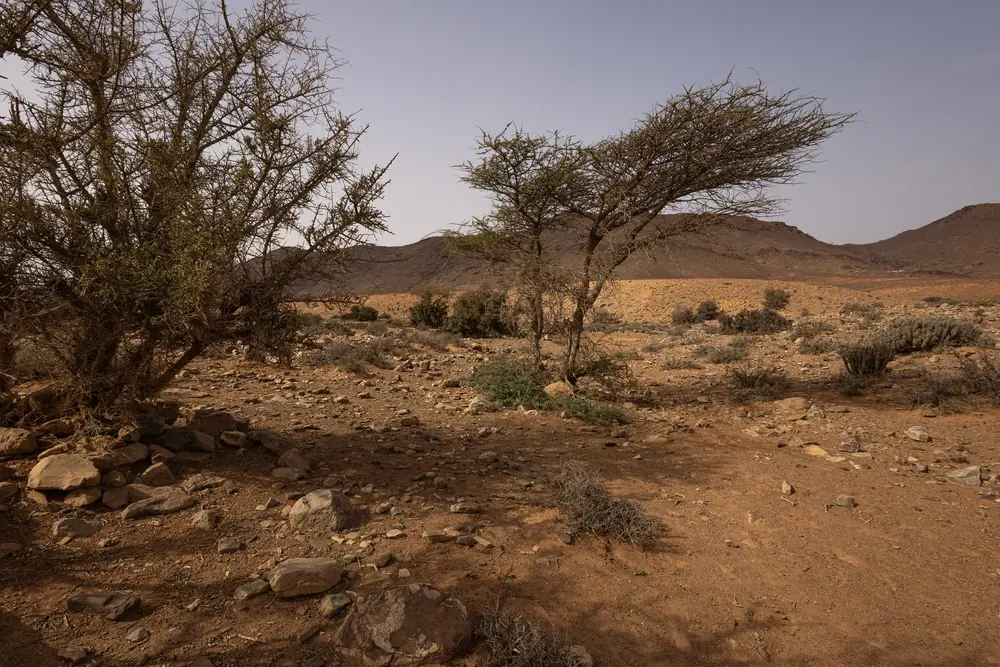
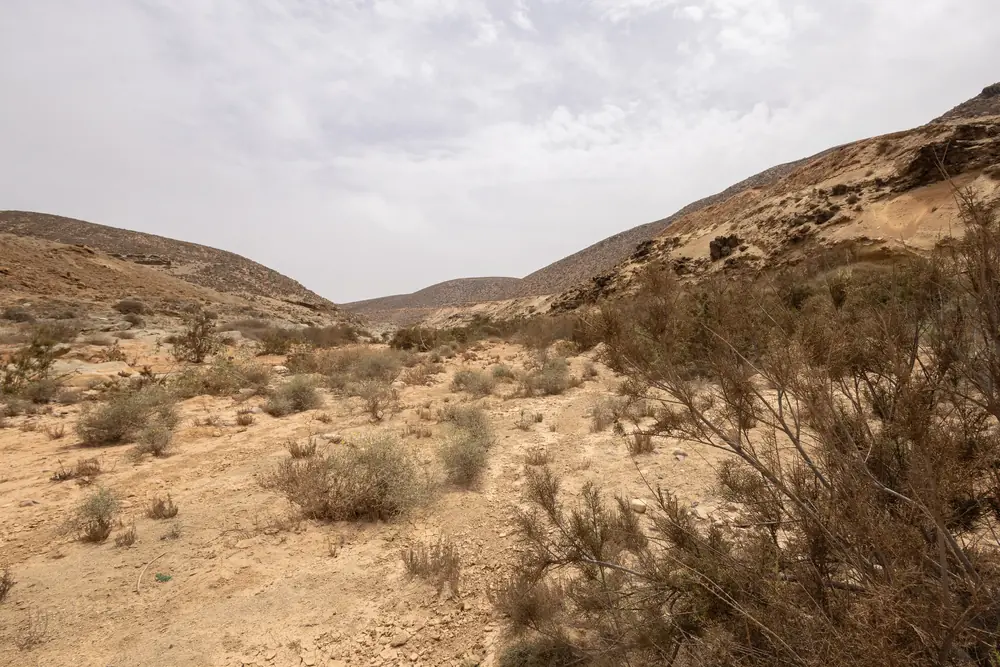
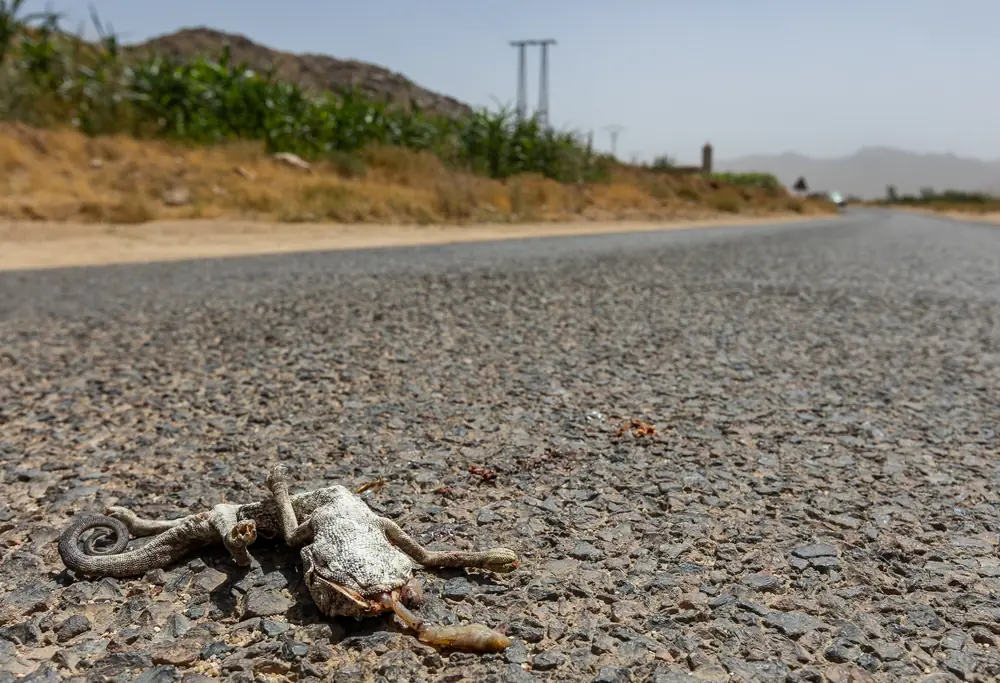
Chameleons prefer wooded areas with bare ground, including anthropized environments such as orchards. They do not seem to prefer any particular tree species4. A high density of small shrubs on the ground reduces the likelihood of their presence. Conversely, distance from roads significantly increases habitat suitability, suggesting a behavior of avoiding road areas11. However, roads are often unavoidable, for example when a female is searching for a suitable place to lay her eggs or when a male is searching for a female. Chameleons can therefore be found in a wide variety of habitats, as long as there are trees or shrubs that can serve as perches. During our expeditions, we found chameleons in arid habitats as well as in more humid coastal habitats. We also encountered several chameleons crossing roads.

Chamaeleo chamaeleon is diurnal, with a peak of activity between 9:00 and 11:00 a.m.5. Indeed, chameleons adopt a light color during the night, making them easy to spot. However, during the day, camouflage is essential for this species, which cannot flee quickly. Detection by predators is influenced by the individual's size and the type of vegetation. Juveniles perched on dense shrubs are less visible than adults on open bushes. Escape behavior is adjusted to these conditions: in dense vegetation, chameleons allow the predator to approach closer before fleeing than they do on a more exposed branch3.

The diet of the Common Chameleon (Chamaeleo chamaeleon) is primarily composed of arthropods. A study conducted in Spain identified 777 prey items, all arthropods, dominated by Diptera, Hymenoptera, Orthoptera, and Heteroptera. The prey were generally smaller than in previous studies based on captive individuals, indicating a potential bias in those studies10. Chameleons appear to adopt a mixed hunting strategy, combining "sit-and-wait" and active foraging5. Adults may consume juveniles, which leads the young to move into low grasses, a phenomenon known as ontogenetic habitat shift6.

The Common Chameleon (Chamaeleo chamaeleon) has particularly well-developed visual acuity for a reptile14. Its vision is therefore much sharper than that of a cat, for example, but less sharp than that of a human. This acuity appears to be primarily related to the negative power of its lens. Indeed, the chameleon's lens does not focus light in the same way as in most animals, but rather diverges it. Coupled with a specific eye anatomy, this allows the chameleon to accurately target its prey with its tongue. Optical illusions are also perceived by chameleons, a phenomenon suggesting a refined perception of contrast. Furthermore, Chamaeleo chamaeleon exhibits functional lateralization of vision: individuals show a marked preference for using the right eye to guide movements when approaching obstacles1315.

The chameleon is well known for its long, projectile tongue used to catch prey. This tongue measures between 1 and 1.5 times the length of the chameleon's body. Chameleons have specific adaptations that allow them to launch their tongue. First, they possess a specialized, tube-shaped bone at the base of the tongue in their mouth. This bone is surrounded by a series of elastic tissue layers connected together. These layers are stretched by muscles and then released simultaneously, like a rubber band. Thanks to this mechanism, chameleons are able to project their tongue from 0 to 95 km/h in one hundredth of a second.

Reproduction occurs from July to December, with a peak observed in August. Males exhibit a "mate guarding" behavior during the breeding season, generally starting in mid-August, with an average duration of 13 days. Each male can guard several females successively but follows only one at a time. Interactions between males are frequent and can be aggressive. Some smaller males behave opportunistically, seeking mating opportunities with females not guarded by other males12.

After mating, females lay between 5 and 45 eggs in a hole dug in loose soil. The eggs have a soft shell, and their development is sensitive to environmental conditions. An experimental study showed that temperature strongly influences hatching success: 100% at 25°C compared to 64% at 29°C. Incubation duration varies from 99 to 144 days depending on humidity and temperature8. Hatchlings from eggs incubated at lower temperatures are larger and heavier. Post-hatching survival does not appear to be affected by these conditions.

Chamaeleo chamaeleon is classified as "Least Concern" by the IUCN at the global level, with a stable and unfragmented population; the same applies in Morocco97.

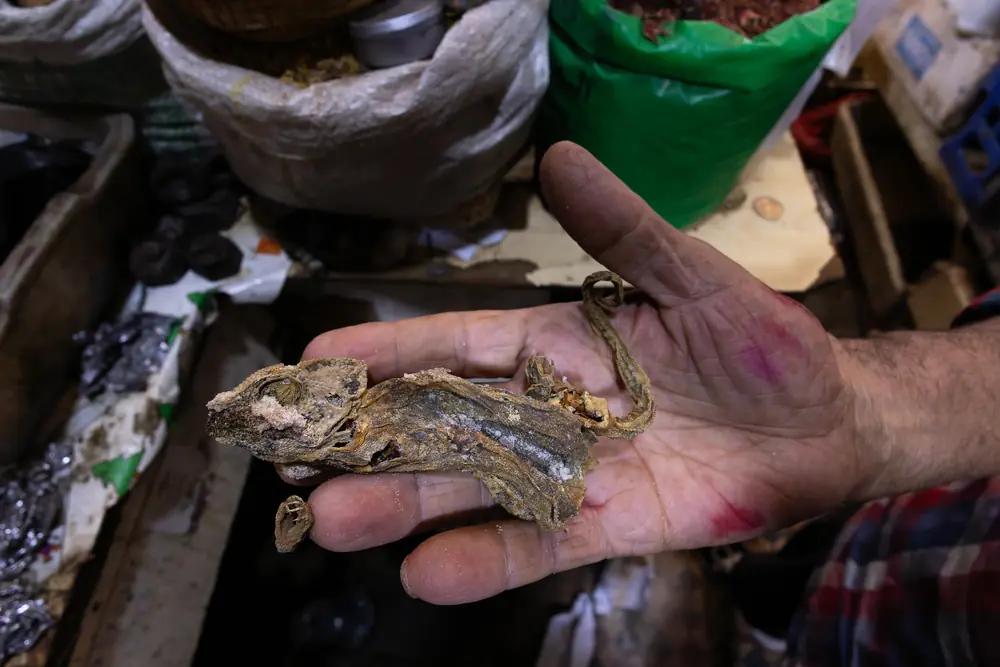
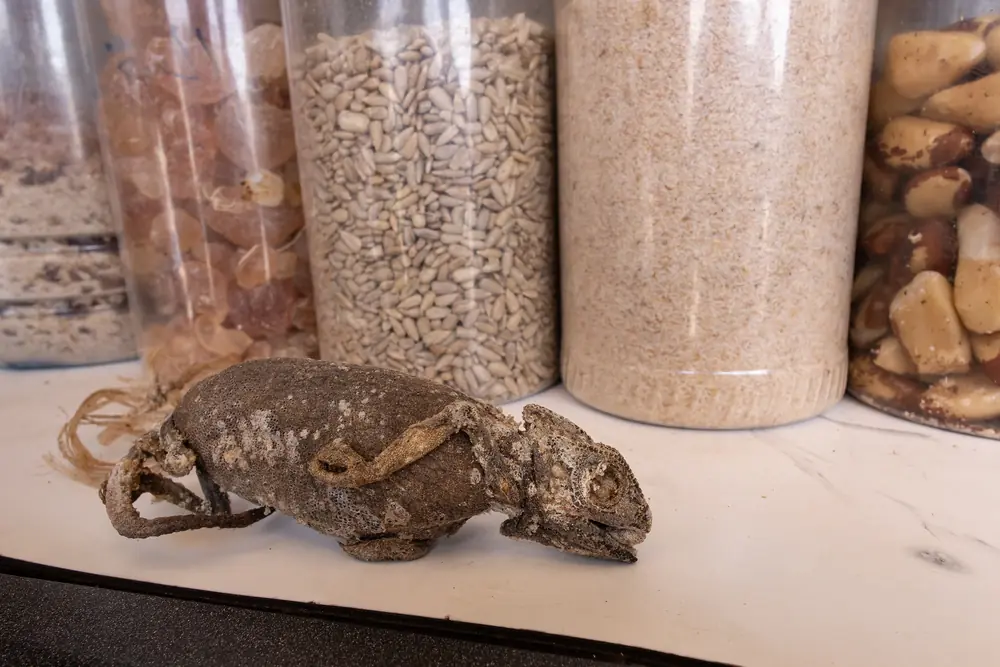
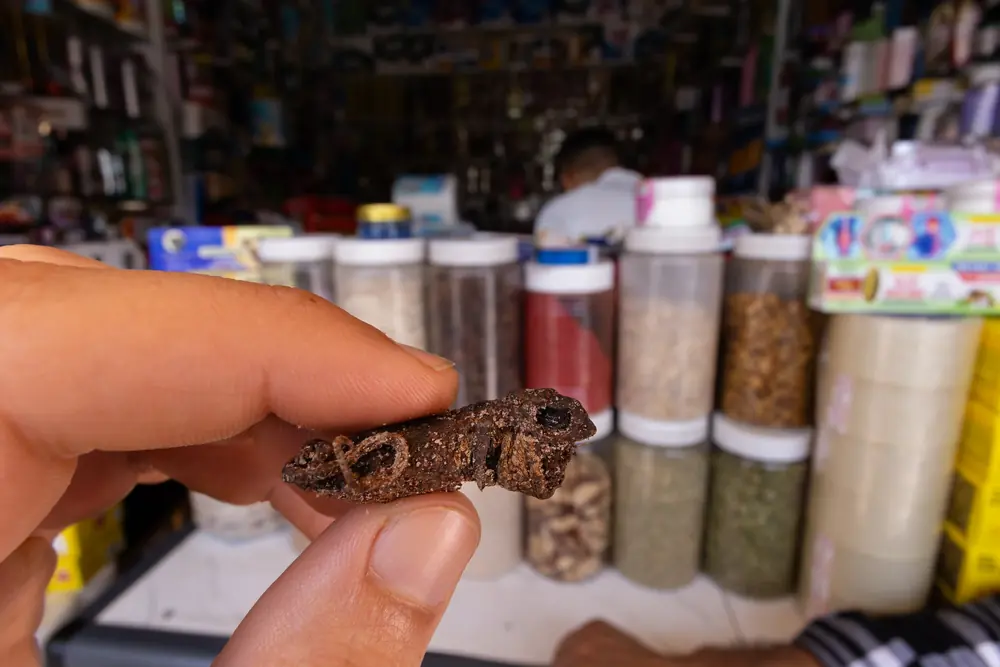
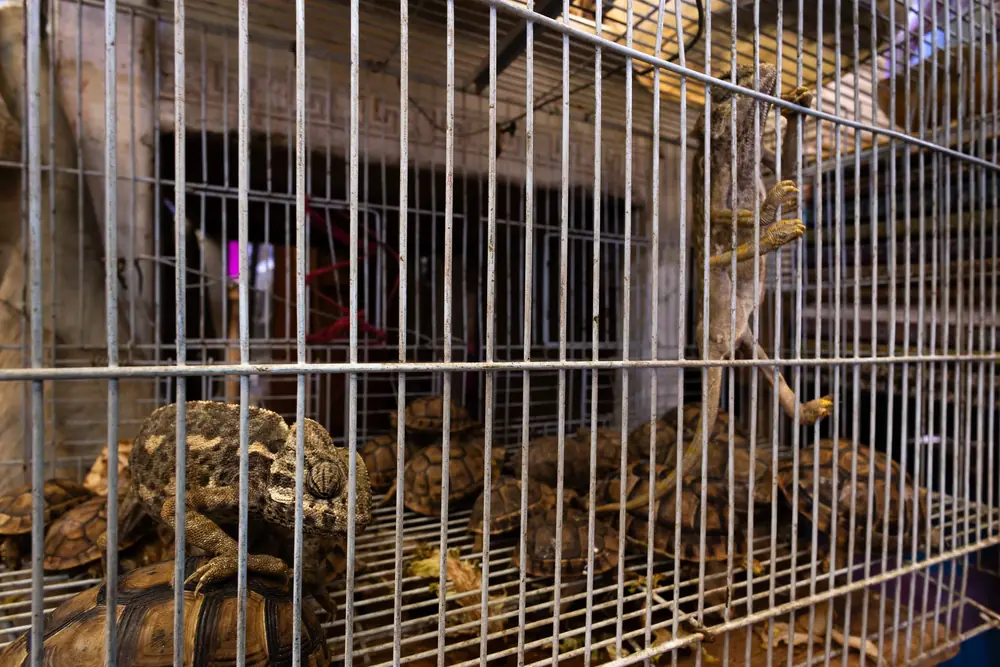
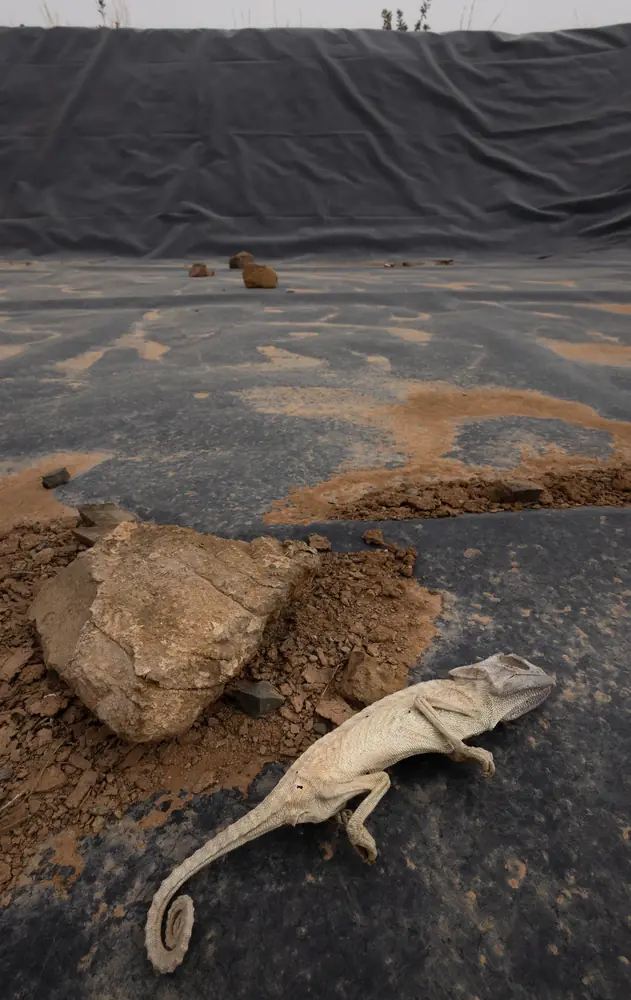
However, in Morocco, threats to this species are still poorly quantified. These include habitat loss due to urbanization and agricultural intensification, road mortality, collection for traditional medicinal purposes, or for resale on markets. All these threats could very well be threatening remote populations of chameleons7.

In partnership with the Caméléon Center Conservation and Morocco Herpetology, we are working on a study and conservation program for the Common Chameleon in Morocco.

  1. Cuadrado, M. (1998). The influence of female size on the extent and intensity of mate guarding by males in Chamaeleo chamaeleon. Journal of Zoology, 246(3), 351–358. https://doi.org/10.1017/S0952836998009893
  2. Cuadrado, M. (2000). Body Colors Indicate the Reproductive Status of Female Common Chameleons: Experimental Evidence for the Intersex Communication Function. Ethology, 106, 79–91. https://doi.org/10.1046/j.1439-0310.2000.00493.x
  3. Cuadrado, M., Martin, J., & Lopez, P. (2001). Camouflage and escape decisions in the common chameleon Chamaeleo chamaeleon. Biological Journal of the Linnean Society, 72(4), 547–554. https://doi.org/10.1111/j.1095-8312.2001.tb01337.x
  4. Hodar, J., Pleguezuelos, J., & Poveda, J. (2000). Habitat selection of the common chameleon (Chamaeleo chamaeleon) (L.) in an area under development in southern Spain: Implications for conservation. Biological Conservation, 94, 63–68. https://doi.org/10.1016/S0006-3207(99)00163-9
  5. Ibrahim, A. A. (2013). Some Aspects of Ecology of the Common Chameleon, Chamaeleo chamaeleon musae (Squamata: Chameleonidae) in Northern Sinai, Egypt. Russian Journal of Herpetology, 20(3), 203–212. https://doi.org/10.30906/1026-2296-2013-20-3-203-212
  6. Keren-Rotem, T., Bouskila, A., & Geffen, E. (2006). Ontogenetic habitat shift and risk of cannibalism in the common chameleon (Chamaeleo chamaeleon). Behavioral Ecology and Sociobiology, 59, 723–731. https://doi.org/10.1007/s00265-005-0102-z
  7. The IUCN Red List of Threatened Species. (2025). IUCN Red List of Threatened Species. Retrieved 2 March 2025, from https://www.iucnredlist.org/fr
  8. Diaz-Paniagua, C., & Cuadrado, M. (2003). Influence of incubation conditions on hatching success, embryo development and hatchling phenotype of common chameleon (Chamaeleo chamaeleon) eggs. Amphibia-Reptilia, 24(3), 301–307. https://doi.org/10.1163/156853803322763891
  9. Pleguezuelos, J., Brito, J., FAHD, S., Feriche, M., Mateo, J., Moreno-Rueda, G., Reques, R., & Santos, X. (2010). Setting conservation priorities for the Moroccan herpetofauna: The utility of regional red lists. Oryx, 44, 501–508. https://doi.org/10.1017/S0030605310000992
  10. Pleguezuelos, J. M., Poveda, J. C., Monterrubio, R., & Ontiveros, D. (1999). Feeding Habits of the Common Chameleon, Chamaeleo Chamaeleon (Linnaeus, 1758) in the Southeastern Iberian Peninsula. Israel Journal of Zoology, 45(2), 267–276. https://doi.org/10.1080/00212210.1999.10688997
  11. Farfan, M. A., Duarte, J., Romero, D., Colorado-Pedrero, L., Garcia-Quevedo, P., Arroyo-Morales, R., & Diaz-Ruiz, F. (2025). Effects of habitat characteristics in an anthropized landscape on the spatial behavior and abundance of a common chameleon (Chamaeleo chamaeleon) population. Conservation Science and Practice, 7(6), e70070. https://doi.org/10.1111/csp2.70070
  12. Cuadrado, M. (2001). Mate guarding and social mating system in male common chameleons (Chamaeleo chamaeleon). Journal of Zoology, 255(4), 425–435. https://doi.org/10.1017/S0952836901001510
  13. Lustig, A., Keter-Katz, H., & Katzir, G. (2012). Threat perception in the chameleon (Chamaeleo chameleon): Evidence for lateralized eye use. Animal Cognition, 15(4), 609–621. https://doi.org/10.1007/s10071-012-0489-7
  14. Lev-Ari, T., Ketter Katz, H., Lustig, A., & Katzir, G. (2017). Visual Acuity and Optokinetic Directionality in the Common Chameleon (Chamaeleo chamaeleon). ECOP, 6, 145–154.
  15. Lustig, A., Ketter-Katz, H., & Katzir, G. (2013). Lateralization of visually guided detour behaviour in the common chameleon, Chamaeleo chamaeleon, a reptile with highly independent eye movements. Behavioural Processes, 100, 110–115. https://doi.org/10.1016/j.beproc.2013.08.002