Puff Adder

Conservation status:LC(global)·VU(Morocco)
Population trend:Decreasing
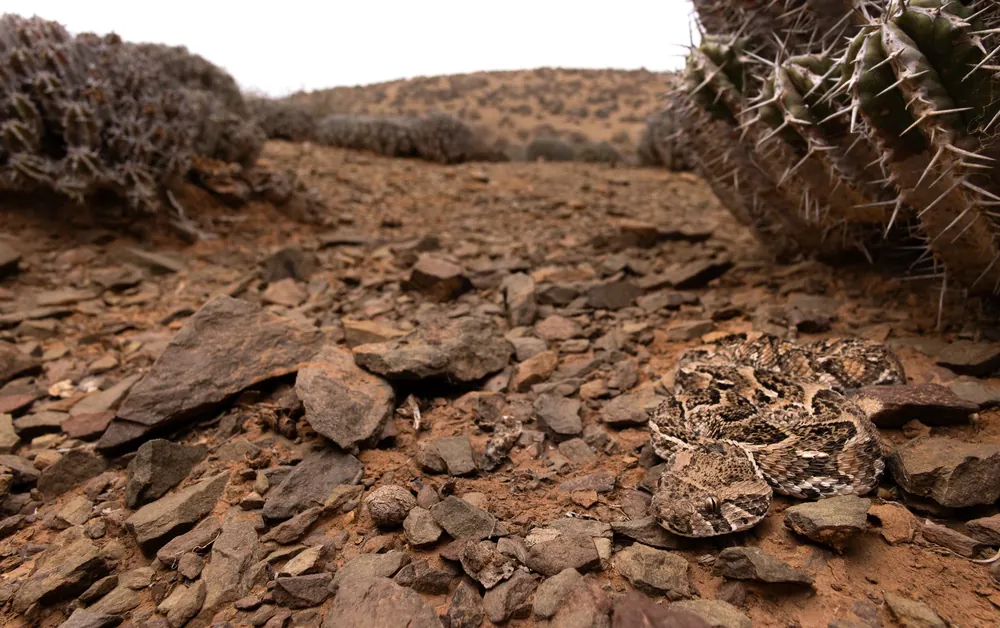
Puff Adder (Bitis arietans), Morocco

The Puff Adder is one of Morocco's most iconic snakes. A relict species, it is a reminder of a greener Sahara that once connected its populations across most of Africa. The Moroccan Puff Adders are now cut off from all other African populations. It is also a remarkable animal in both morphology and behaviour: a heavy, stout snake that still strikes at extraordinary speed, too fast for the eye to follow. Sadly, this same viper faces ever harsher pressures within its small range in southern Morocco, between heavy collection and road mortality. It is slowly becoming the most threatened snake in the country, a bleak fate for such a singular snake.

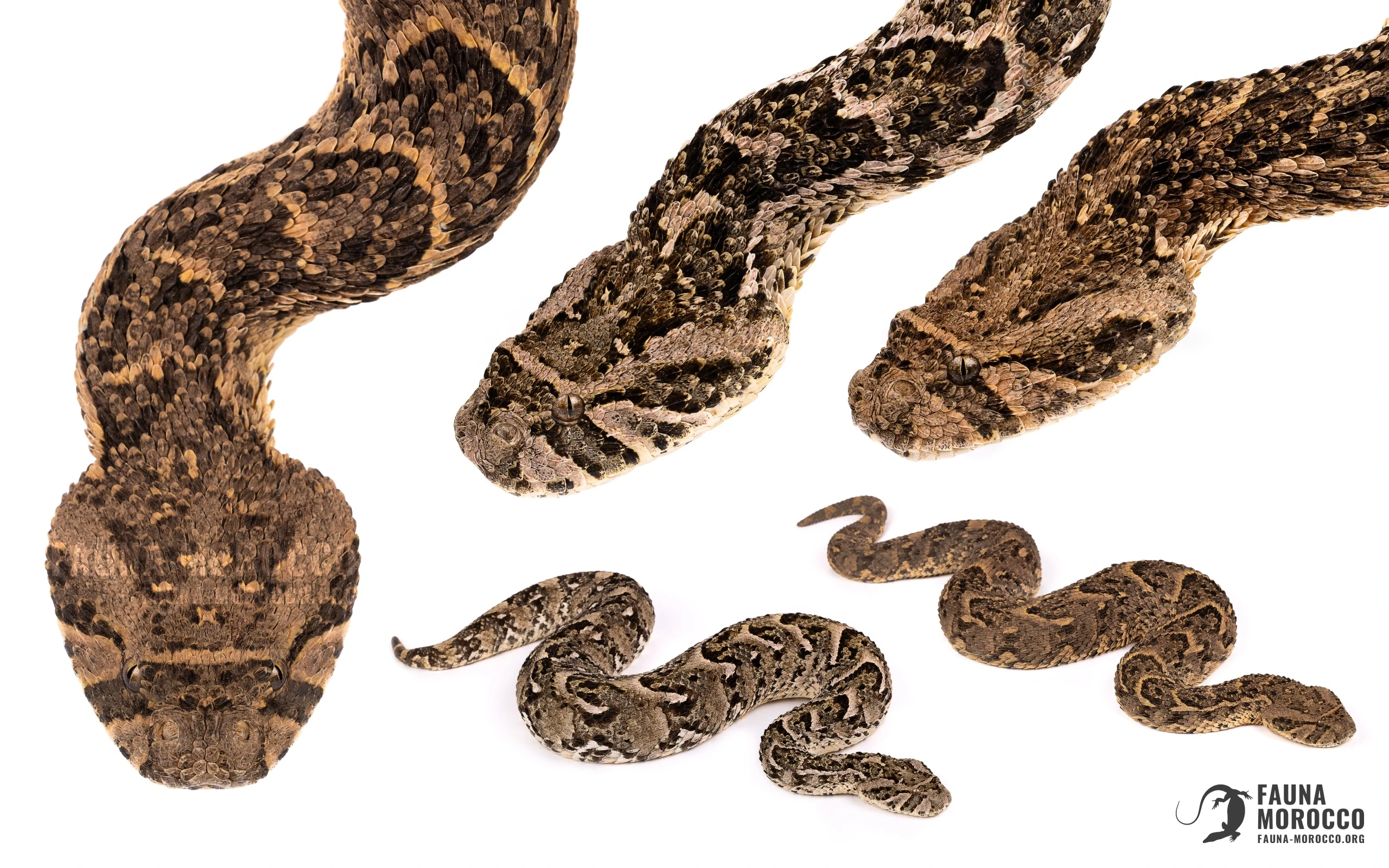
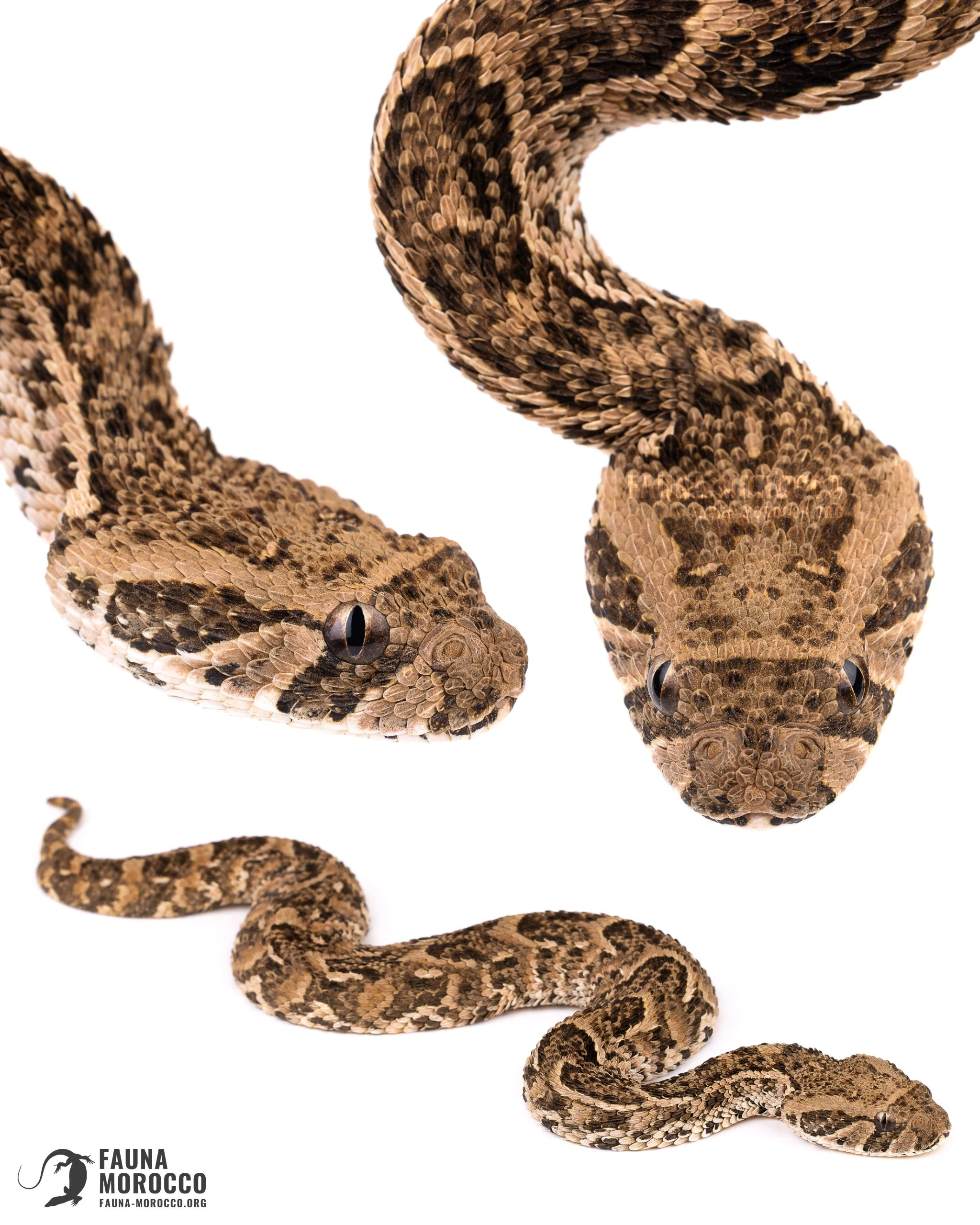
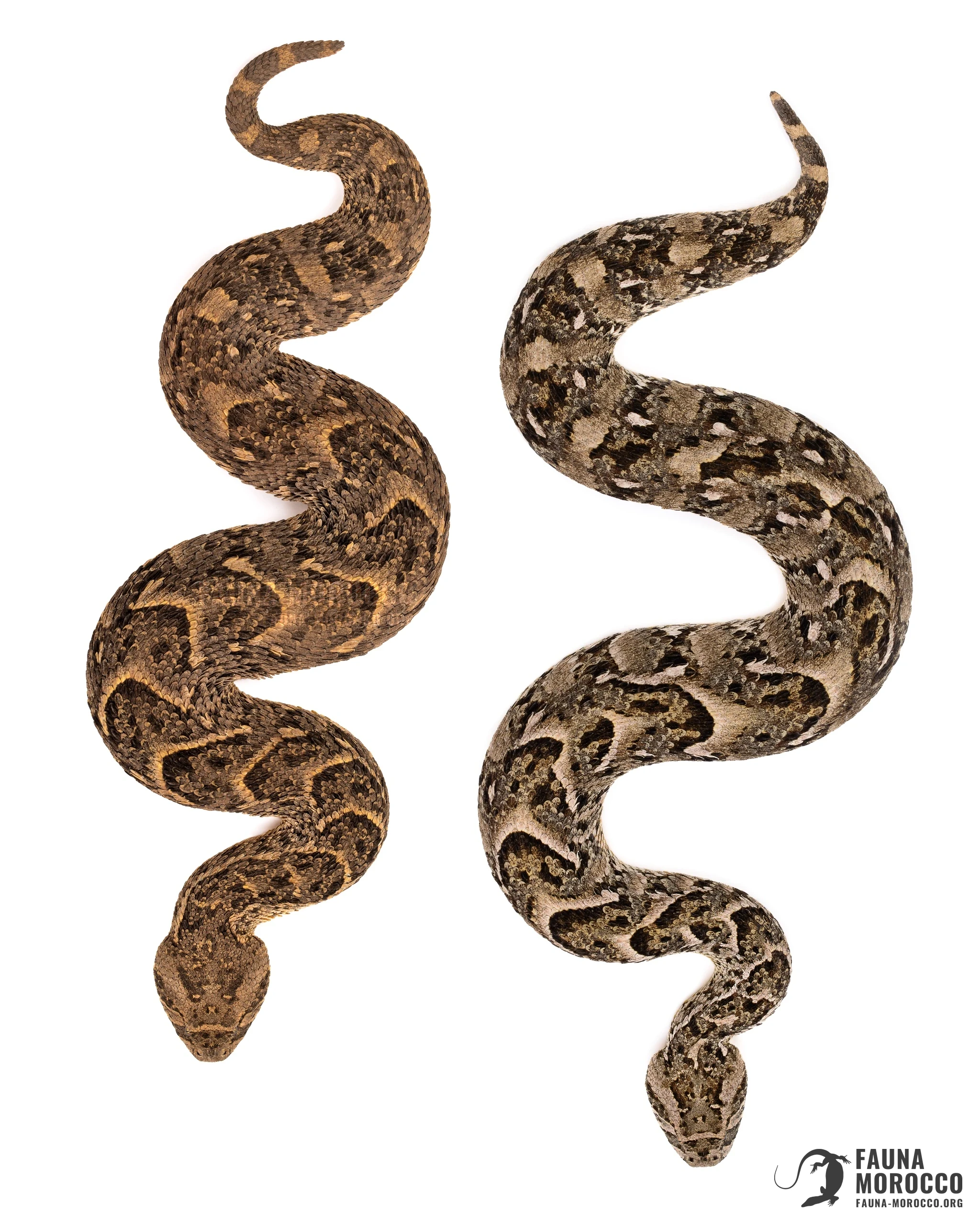
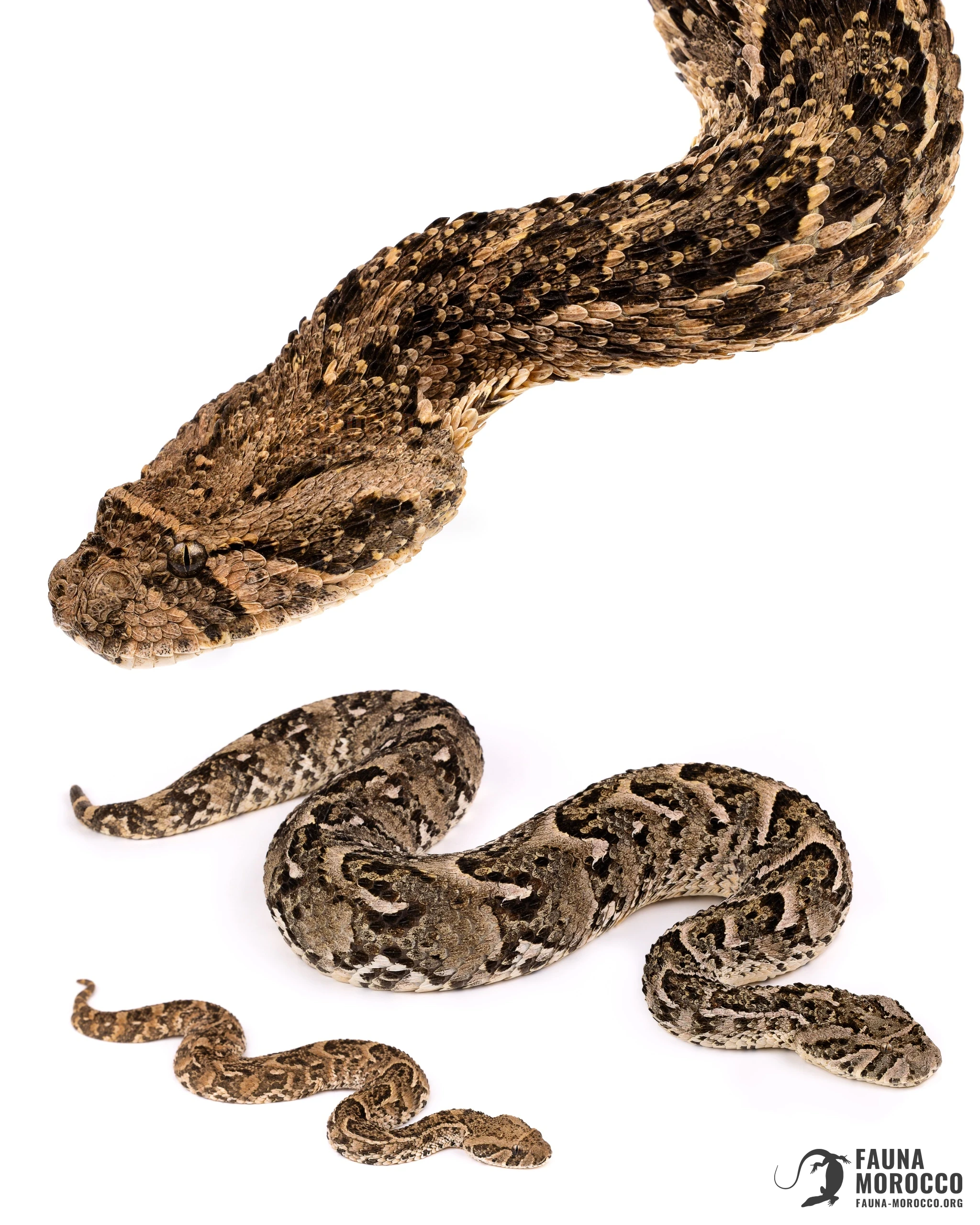
The Puff Adder (Bitis arietans) is a large, extremely heavy-bodied viper. The body is short, thick and disproportionately massive, making the animal bulky and slow. Moroccan animals can grow to a maximum of 1.2 m in total length5; adults average under 1 m17.

The head is large, triangular and sharply set off from the neck, covered above with many small, keeled scales. The nostrils are large and directed upwards10, and the eyes are relatively small, with a vertical pupil. A darker bar usually runs from the upper lip through the eye and across the temporal region, giving a masked appearance. The species is solenoglyphous, with two hinged and hollow fangs reaching up to 2 cm, positioned at the front of the upper jaw to inject venom5. These fangs are among the longest of any snake8.

The tail is short and clearly demarcated from the body. It is longer in males and tapers less abruptly at its base than in females20. The dorsal scales are keeled10.

In Morocco, the ground colour of the Puff Adder shows little variation18. It is usually beige, overlaid with a series of pale-edged dark chevrons whose apex points toward the tail. The intensity and tone of the markings can however still vary, and the colour of the substrate appears to influence the colour of the snakes20. The venter is whitish and weakly pigmented20.

At the scale of the whole range, the species is remarkable for how little it varies: for a snake distributed across most of a continent, morphological differentiation is slight, and no morphological study has found grounds for taxonomic subdivision beyond the single Somali subspecies4.

Two subspecies are currently recognised, B. a. arietans across sub-Saharan Africa and B. a. somalica restricted to the Horn of Africa and diagnosed on subcaudal scale structure alone6.

The genetic picture is more complex than the morphological one. In 2013, an Africa-wide sequencing study recovered multiple clades, with a distinct West African clade, two East African clades, a divergent Arabian clade, and a widespread southern African clade. The major lineages are estimated to have diverged between roughly one and five million years ago4. It is tempting to read this as a species complex, and the Puff Adder has already been described as one, in 201022. More work is, however, needed to fully assess this question4. Indeed, taxonomic research is the single item the IUCN assessment lists as needed for this species28.

Concerning the isolated population found in Morocco, almost nothing is known about how it should be classified in relation to other populations, as only one individual has been sequenced in the Africa-wide 2013 study4. Whether the Moroccan relict is genetically distinctive, and how long it has been isolated, are therefore still open questions. Having a precise answer would matter medically as well as taxonomically, since venom composition varies between populations9.

The Puff Adder (Bitis arietans) is one of the most widely distributed snakes in Africa, ranging from Senegal to Somalia and south to South Africa, and extending across much of the south-western Arabian Peninsula. Globally, it has been recorded from near sea level to 3,500 m. North-west Africa is the exception: there the distribution is relictual, the species surviving only as an isolated subpopulation in south-western Morocco28. This northern limit is probably set by climate rather than habitat, since apparently suitable ground continues along the Atlantic coast without the snake following it. The same sensitivity implies that past climatic shifts likely affected the Moroccan population severely4.

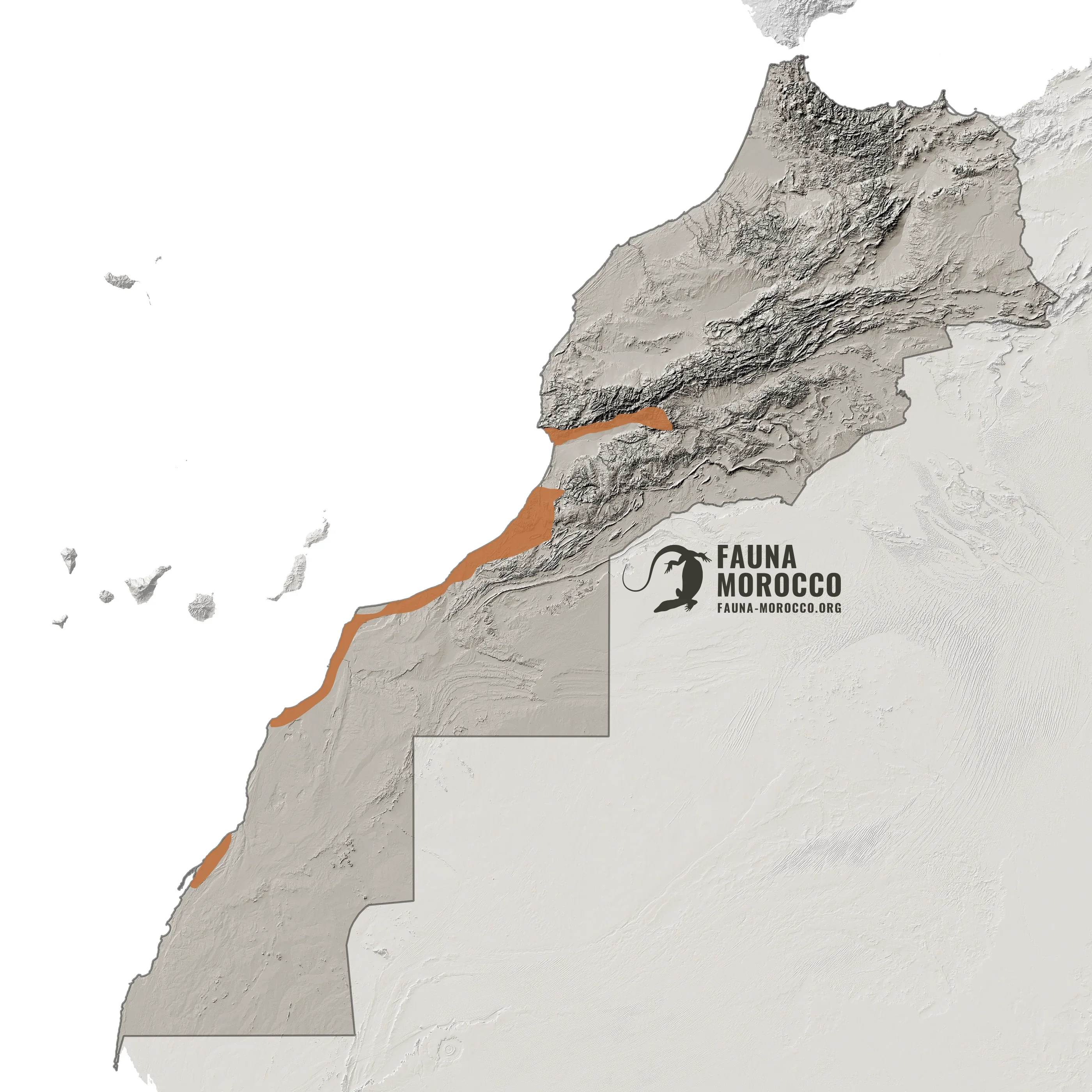
In Morocco, it historically ranged across the Souss plain and the southern Atlantic belt, from Taliouine in the north to Dakhla in the south528 and ranges from sea level to roughly 1,000 m20. Its distribution in Morocco is now likely much smaller and mainly concentrated around the area between Sidi Ifni and Guelmim (pers. comm.). A ten-day survey in October 2019 discovered three new localities, but all within a few kilometres of previously published ground, filling gaps rather than extending the range10. During our expeditions (2024–2026), we repeatedly visited areas once densely populated, such as El Ouatia20. A shed skin was found in the area, but no live animal was seen there despite surveys on several nights across different months (pers. obs.), suggesting at least a very strong drop in abundance.

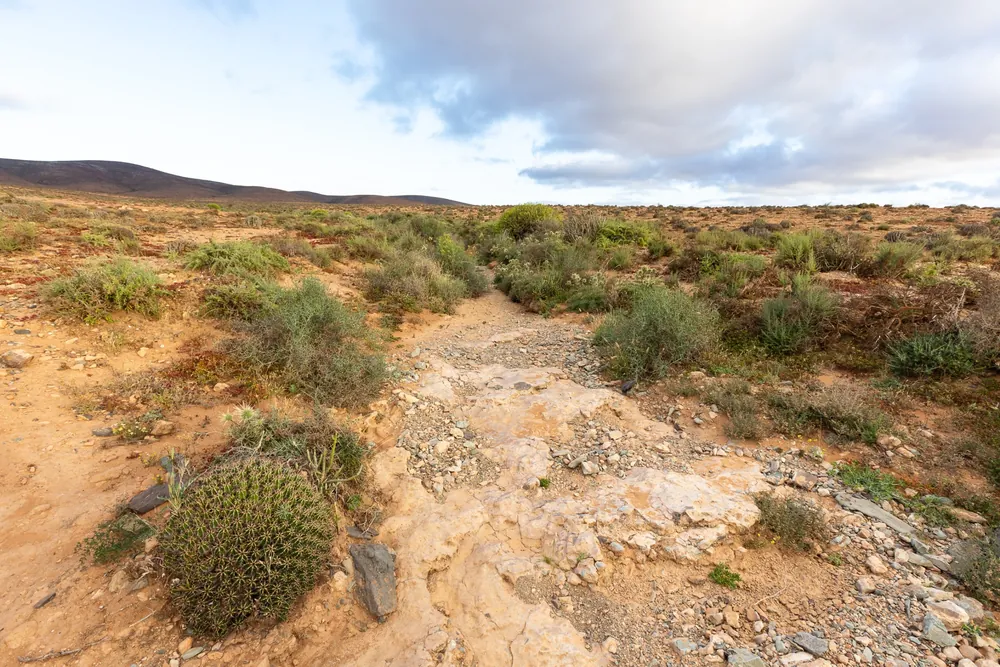
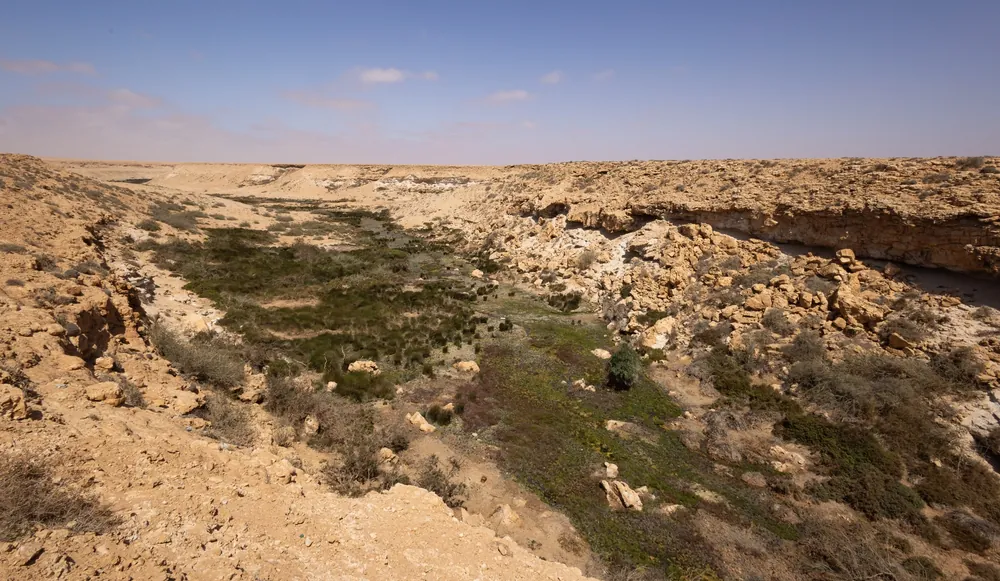
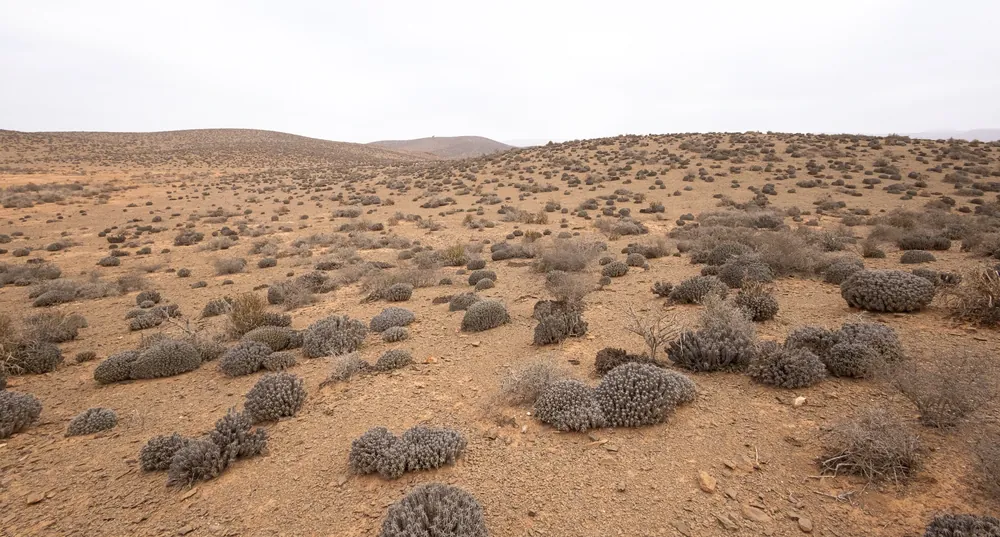
The Puff Adder is a savannah and coastal species rather than a desert one, with a marked preference for ground where the annual temperature range stays below about 25 °C7. It occurs in open, sunlit areas with sparse vegetation cover and its preferred habitat is large steppes with loose sandy soil and a high density of mammal burrows. Along the coastal strip, it also uses the surroundings of watercourses and rocky ground, but these are secondary192028. It is also reported that the Puff Adder can be found in argan forests28.

The link with burrowing mammals is the strongest habitat signal in the Moroccan literature. The species is closely tied to areas of friable substrate where colonial small mammals dig extensive burrow systems, and it both hunts and shelters in those burrows20.

The Puff Adder is terrestrial and generally treated as mainly nocturnal in Morocco18, but it is frequently found outside its refuge during the day, motionless at the foot of a bush2010. The Puff Adder normally travels by rectilinear locomotion, a wave running along the belly. It leaves behind a distinctive straight trail on which the ventral scales are individually printed20. This unmistakable track makes it easy for snake hunters to trace it back to its hide20 (pers. obs.).

The Moroccan activity pattern does not follow the Mediterranean template, which includes a winter rest. The Puff Adder is one of the few Moroccan snakes that can be found active through most of the year, with records spanning February to May and August to December, and activity appears to track rainfall rather than season19. Whether a true winter dormancy occurs is unknown, but the temperatures of the coldest months clearly limit activity even though almost the whole Moroccan range has mild or warm winters20. South African animals do not brumate either: through the coldest months they simply remain inactive on the surface, in burrows or under rocks15, which is the most likely reading of the Moroccan winter as well.

The Puff Adder’s diet has been well studied in South Africa, with video recording of free-ranging animals. Mammals appeared as prey in 40% of feeding events and amphibians in 42%15. Both small and large Puff Adders fed on mammals, amphibians and lizards. No ontogenetic shift (dietary differences between juveniles and adults) from ectothermic to endothermic prey is thus observed in the Puff Adder. Only birds, which represent a small fraction of the diet, were restricted to adults15.

No full dietary study has been carried out on the Puff Adder (Bitis arietans) in Morocco. The available observations report mammals, reptiles and birds273. Moroccan populations are closely associated with colonies of burrowing rodents which are assumed to supply the bulk of its diet20. The exact mammal species serving as the main prey is still unresolved. Two rodents live in the same landscape as the Puff Adder: the Barbary Ground Squirrel (Atlantoxerus getulus) and the Fat Sand Rat (Psammomys obesus)20. However, the Barbary Ground Squirrel occupies mainly rocky ground, while the Fat Sand Rat requires loose substrate to dig its burrow systems and is found in steppe and sandy areas10. Since the Puff Adder is itself a species of loose sandy substrate, the Fat Sand Rat is the rodent whose habitat best matches the snake, as well as being reported as abundant in the Guelmim to Oued Draa belt7. The Barbary Ground Squirrel is not excluded10, but it is the less likely of the two as the staple.

On a rodent diet, the Puff Adder has to ingest about two-thirds of its weight per year to maintain body mass2. If prey availability is high, this snake can eat about 12 times its own weight in a year, building substantial fat reserves2.

The Puff Adder hunts by ambush, lying motionless beside low vegetation or at a burrow entrance. It can also lure prey closer: the tail is waved while the tongue is held extended for about eight seconds at a time, as against half a second for an ordinary tongue-flick, so that both resemble small worms. This lingual luring was used in 37.5% of encounters with amphibians but never with other prey, showing that the snake discriminates between prey types before luring13. When prey comes within reach, the snake strikes. Large or dangerous prey is released at once and relocated after the venom has acted, while small prey is held and swallowed quickly20. A Puff Adder can fast for up to two years, relying on its reserves2.

Radiotelemetry and continuous videography in South Africa have quantified just how sparingly this snake lives. Animals spent about ten hours a day in ambush, almost always at night, encountered a prey item once every two and a half days, struck at under a third of the prey they encountered, and fed on average once every ten days on prey averaging 32 g. Over a foraging season, an adult male takes an estimated twelve to fifteen prey items, amounting to roughly half his own body mass14. Supplementary feeding showed that this behaviour is not passive: well-fed snakes spent less time in ambush and travelled shorter distances, while underfed animals ranged farther. This snake is thus better described as a mobile ambusher than as a full sit-and-wait predator14.

Predation pressure is severe where it has been measured: other snakes such as cobras, and mammals such as mongooses, honey badgers, wild cats and dogs, are known predators of the Puff Adder across its range21. Estimated annual survival in a South African study population was 43 to 58% for adult males, and 50 to 63% for females, meaning around half of the surveyed animals died during each year of their life21. Only a very small proportion of neonates are thus likely to reach adulthood.

Telemetered animals always moved to a new lie-up position after shedding and typically defecated at the shedding site before leaving it, concentrating in one abandoned spot the two products that would otherwise betray them to a nose21.

Crypsis is the first and by far the most important line of defence, and in this species, it is olfactory as well as visual. Indeed, dogs and meerkats trained to recognise snake odours detected other snakes accurately but failed to detect Puff Adders. The same dogs found shed Puff Adder skin with 84% accuracy. The viper thus actively masks its odour. This remains the first demonstration to date of chemical crypsis as an anti-predator trait in a terrestrial vertebrate. As a result, rodents in contact with an ambushing snake show no sign of noticing it21. The behavioural corollary is that a Puff Adder facing an approaching threat stays where it is, relying on its camouflage, rather than fleeing (pers. obs.). In general, staying still is what keeps the Puff Adder alive, because distance travelled correlates strongly with mortality risk1.

If the animal is disturbed, it begins the loud hissing for which the species is named and attempts to withdraw at the same time. If the disturbance continues and the hissing fails to deter the intruder, it coils up and adopts an impressive defensive posture before throwing its head forward to bite. These strikes are delivered with such violence that the snake sometimes turns itself completely over, particularly in light-bodied juveniles20.

The strike itself is remarkable for an animal of this build. High-speed filming gives a mean terminal velocity of 21 km/h over a distance of only 20 cm. These numbers are extremely high for such a heavy snake. The muscles that extend the body are electrically active before the strike and silent during it, which indicates that the movement is powered by elastic recoil of the loaded muscles and tendons rather than by direct contraction, a power amplification that appears to be what allows a snake weighing several kilograms to accelerate that fast29. No dry-bite step has been described for this species, and none is assumed here.

The Puff Adder (Bitis arietans) is placed by the World Health Organization in Category 1, the tier reserved for snakes whose bites cause high levels of death or disability16. Across Africa it is held responsible for a large share of serious snakebites, an unfortunate consequence of its habit of staying put when approached and its readiness to strike17.

In Morocco it is one of the four vipers that matter medically, alongside the Moorish Viper (Daboia mauritanica), the Sahara Horned Viper (Cerastes cerastes)16 and the White-bellied Carpet Viper (Echis leucogaster) (pers. comm.). Vipers account for 67.2% of severe envenomation cases in the country, and the Puff Adder for 10.9% of cases, the same share as the Sahara Horned Viper, but well behind the Moorish Viper16.

Moroccan Puff Adder venom was characterised for the first time only recently. It produces intense local swelling and severe tissue damage, with extensive muscle fibre death. It is, on the other hand, only mildly haemorrhagic16. The proteins responsible have not been identified, since no proteomic analysis of Moroccan Puff Adder venom exists16.

The treatment situation is among the worst of any Moroccan snake. The only antivenom available in the country, Inoserp-MENA, failed altogether to protect experimental animals against the lethal effects of Moroccan Puff Adder venom, even at the highest dose tested. Its protection against swelling was described as almost negligible, and its protection against tissue damage was weak. A region-specific antivenom is thus much needed16. The practical consequence for the Guelmim to Tarfaya belt is that a serious bite is a medical emergency for which the available treatment may be close to useless.

The Puff Adder is viviparous, giving birth to live young. Litter size ranges from 20 to 60 neonates and varies geographically, with typically 20 to 40. A female is however on record as having given birth to 156 young26. Neonates are small relative to female body size and average 12 g (numbers from South Africa)15.

Neonate size, age at maturity, reproduction timing and frequency are undocumented for Morocco. However, most adults found dead or crossing roads fall between late February and late May, which probably corresponds to the mating period20.

No proper study has addressed longevity in the Puff Adder in the wild. A maximum of almost 16 years has been recorded in captivity25. The two forest cousins of the Puff Adder, the Gaboon Viper (Bitis gabonica) and the Rhinoceros Viper (Bitis nasicornis), show a lifespan of 18 and 9.4 years respectively25. A maximal longevity of 15 years is therefore a reasonable working figure for Moroccan Puff Adders. Most specimens however never approach this age. Adult Puff Adders have about a 50% chance of dying each year of their life21, so most individuals live well under a decade. In Morocco, high road mortality and the targeted collection of large snakes add to natural predation, further reducing the lifespan actually reached in the wild.

Globally, the Puff Adder is assessed as Least Concern with a stable population by the IUCN, on the grounds of a wide distribution in Africa and the absence of widespread threats. The assessment concludes that no direct conservation measures are needed. However, the species is very rare in Morocco and heavily collected for snake charming28.

At the national level, the Puff Adder was classified as Vulnerable, its population reduced by exploitation and declining habitat quality23. The published record is contradictory on the rarity of the Puff Adder in Morocco. The IUCN calls it very rare28, while field accounts from the Guelmim to Tan-Tan belt describe it as very abundant within its Moroccan range1920, but the two are not equally weighted. The field accounts date from 2012 and 2020 and describe local density within a small range. The assessment of rarity is the one now shared by the people working on the species in the country. A conservation project for the Moroccan population is currently being prepared by an international team led by Morocco Herpetology (A. Bouazza, pers. comm.).

Three pressures act on the Moroccan population.

  • Collection for snake charming: this is the best-documented threat in Morocco. The Puff Adder is the single most heavily exploited snake in the country. Snake hunters (Aissawa) were estimated to remove around 1,010 Puff Adders from the wild each year, more than any other snake species. Around 780 Puff Adders reach the charmers, and the shortfall is attributed to mortality in transport and captivity, to illegal trade, and to sales to the antivenom laboratories. Together with the Egyptian Cobra (Naja haje), it is one of the two species on which the trade depends, and the hunting grounds shifted roughly 96 km further south-west between 1989 and 2014, consistent with strong local decline of these two snake species24. The harvest is strongly size-selective: Puff Adders held by charmers averaged 85 cm snout to vent against 54 cm for animals found in the same collecting grounds by non-targeted searching. The sex ratio of harvested animals was balanced, which means that gravid females are actually not released, contrary to what hunters state24. Removing the largest females from a viviparous species whose reproductive output scales with body size is the most damaging possible form of harvest. Animals found near homes are often reported by people to local snake charmers, who readily come to collect them (pers. comm.).
  • Road mortality: the species is slow and deliberate on the move and will remain on warm asphalt at night, a combination that makes it exceptionally vulnerable20. The expanding road network of south-western Morocco is expected to cause both direct habitat loss and road-killing7.
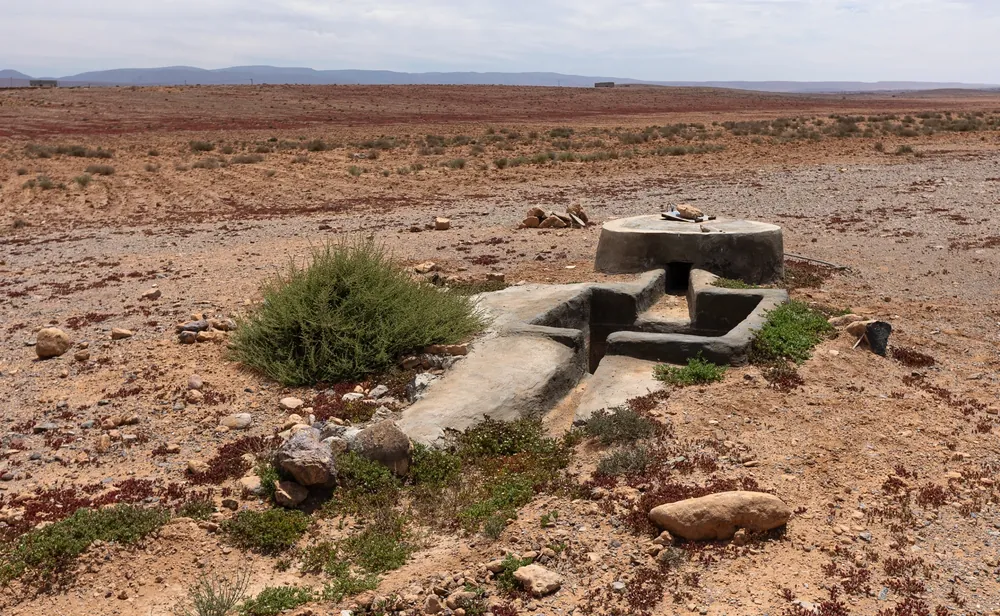
  • Wells, cisterns and other water basins: these structures act as pitfall traps throughout arid Morocco and are a major cause of mortality for the herpetofauna generally1211.

For a rare, isolated, peripheral relict species subject to the heaviest snake harvest in the country and forecast warming and declining rainfall in the region7, the national Vulnerable listing looks conservative rather than alarmist.

  1. Alexander, G. J., & Maritz, B. (2011). Predation risk in relation to behaviour in Bitis arietans: Does it pay to keep your head down? [Conference abstract]. In 10th Herpetological Association of Africa Conference, 11–14 January 2011, Cape Town, South Africa (p. 8). Herpetological Association of Africa, via Miller et al. (2015).
  2. Alexander, G.J. (2025) Factorial scope of ingestion and the potential functional response of puff adders (Bitis arietans) to high prey abundance. Sci Rep 15, 16579 . https://doi.org/10.1038/s41598-025-99550-3
  3. Aymerich, M. (2011). Vipère heurtante (Bitis arietans). In L. Mahraoui, M. Aymerich, E. Borof-Aymerich, M. Tarrier, J. Delacre, & L. Marseault (Founders), Groupe d'Étude et de Recherches des Écologistes Sahariens. www.geres-asso.org, via Martínez del Mármol Marín (2012).
  4. Barlow, A., Baker, K., Hendry, C. R., Peppin, L., Phelps, T., Tolley, K. A., Wüster, C. E., & Wüster, W. (2013). Phylogeography of the widespread African puff adder (Bitis arietans) reveals multiple Pleistocene refugia in southern Africa. Molecular Ecology, 22(4), 1134–1157. https://doi.org/10.1111/mec.12157
  5. Bons, J., & Geniez, P. (1996). Amphibiens et reptiles du Maroc (Sahara Occidental compris). Atlas biogéographique. Asociación Herpetológica Española, via Martínez del Mármol Marín (2012).
  6. Branch, W. R. (1999). Bitis arietans peghullae Stewart 1973 (Serpentes: Viperidae): A valid race of puff adder? African Journal of Herpetology, 48(1–2), 15–19, via Barlow et al. (2013).
  7. Brito, J. C., Fahd, S., Geniez, P., Martínez-Freiría, F., Pleguezuelos, J. M., & Trape, J.-F. (2011). Biogeography and conservation of viperids from North-West Africa: An application of ecological niche-based models and GIS. Journal of Arid Environments, 75(11), 1029–1037. https://doi.org/10.1016/j.jaridenv.2011.06.006
  8. Cundall, D. (2009). Viper fangs: Functional limitations of extreme teeth. Physiological and Biochemical Zoology, 82(1), 63–79, via Young (2010).
  9. Dawson CA, Bartlett KE, Wilkinson MC, Ainsworth S, Albulescu LO, Kazandijan T, Hall SR, Westhorpe A, Clare R, Wagstaff S, Modahl CM, Harrison RA, Casewell NR (2024). Intraspecific venom variation in the medically important puff adder (Bitis arietans): Comparative venom gland transcriptomics, in vitro venom activity and immunological recognition by antivenom. PLoS Negl Trop Dis.; 18(10):e0012570. doi: 10.1371/journal.pntd.0012570. PMID: 39423239; PMCID: PMC11524477.
  10. Dyugmedzhiev, A., Andonov, K., Todorov, V., Martínez del Mármol, G., & Stanchev, N. (2022). A possible case of syntopy between Bitis arietans and Daboia mauritanica based on new reptile localities in southwestern Morocco. Herpetology Notes, 15, 33–46.
  11. García-Cardenete, L., Flores-Stols, M. V., & Yubero, S. (2017). New cases of syntopy between viperid snakes (Viperidae) in the Atlantic Sahara. Go-South Bulletin, 14, 139–141.
  12. García-Cardenete, L., Pleguezuelos, J. M., Brito, J. C., Jiménez-Cazalla, F., Pérez-García, M. T., & Santos, X. (2014). Water cisterns as death traps for amphibians and reptiles in arid environments. Environmental Conservation, 41(4), 341–349.
  13. Glaudas, X., & Alexander, G. J. (2017a). A lure at both ends: Aggressive visual mimicry signals and prey-specific luring behaviour in an ambush-foraging snake. Behavioral Ecology and Sociobiology, 71(1), Article 2. https://doi.org/10.1007/s00265-016-2244-6
  14. Glaudas, X., & Alexander, G. J. (2017b). Food supplementation affects the foraging ecology of a low-energy, ambush-foraging snake. Behavioral Ecology and Sociobiology, 71(1), Article 5. https://doi.org/10.1007/s00265-016-2239-3
  15. Glaudas, X., Kearney, T. C., & Alexander, G. J. (2017). Museum specimens bias measures of snake diet: A case study using the ambush-foraging puff adder (Bitis arietans). Herpetologica, 73(2), 121–128. https://doi.org/10.1655/HERPETOLOGICA-D-16-00055
  16. Khourcha, S., Hilal, I., Elbejjaj, I., Karkouri, M., Safi, A., Hmyene, A., & Oukkache, N. (2023). Insight into the toxicological and pathophysiological effects of Moroccan vipers' venom: Assessing the efficacy of commercial antivenom for neutralization. Tropical Medicine and Infectious Disease, 8(6), Article 302. https://doi.org/10.3390/tropicalmed8060302
  17. Mallow, D., Ludwig, D., & Nilson, G. (2003). True vipers: Natural history and toxinology of Old World vipers. Krieger Publishing Company, via Martínez del Mármol (2020).
  18. Martínez del Mármol, G., Harris, D. J., Geniez, P., de Pous, P., & Salvi, D. (2019). Amphibians and reptiles of Morocco. Edition Chimaira, via Martínez del Mármol (2020) and Dyugmedzhiev et al. (2022).
  19. Martínez del Mármol, G. (2020). The phenotypic variability of the genus Bitis Gray 1842, with remarks in its resemblance to other vipers. In G. Martínez, R. León, O. Jiménez-Robles, J. P. González De la Vega, V. Gabari, B. Rebollo, A. Sánchez-Tójar, J. R. Fernández-Cardenete, & J. Gállego (Eds.), Moroccoherps. Amphibians and reptiles of Morocco and Western Sahara. Version 05/04/2020. Retrieved 28 July 2026, from https://www.moroccoherps.com/en/bitis-article/
  20. Martínez del Mármol Marín, G. (2012). Bitis arietans (Merrem, 1820). In G. Martínez, R. León, O. Jiménez-Robles, J. P. González De la Vega, V. Gabari, B. Rebollo, A. Sánchez-Tójar, J. R. Fernández-Cardenete, & J. Gállego (Eds.), Moroccoherps. Anfibios y reptiles de Marruecos y Sahara Occidental. Version 18/10/2012. Retrieved 28 July 2026, from https://www.moroccoherps.com/ficha/bitis_arietans/
  21. Miller, A. K., Maritz, B., McKay, S., Glaudas, X., & Alexander, G. J. (2015). An ambusher's arsenal: Chemical crypsis in the puff adder (Bitis arietans). Proceedings of the Royal Society B: Biological Sciences, 282(1821), Article 20152182. https://doi.org/10.1098/rspb.2015.2182
  22. Phelps, T. (2010). Old World vipers: A natural history of the Azemiopinae and Viperinae. Edition Chimaira, via Martínez del Mármol Marín (2012).
  23. Pleguezuelos, J. M., Brito, J. C., Fahd, S., Feriche, M., Mateo, J. A., Moreno-Rueda, G., Reques, R., & Santos, X. (2010). Setting conservation priorities for the Moroccan herpetofauna: The utility of regional red lists. Oryx, 44(4), 501–508. https://doi.org/10.1017/S0030605310000992
  24. Pleguezuelos, J. M., Feriche, M., Brito, J. C., & Fahd, S. (2018). Snake charming and the exploitation of snakes in Morocco. Oryx, 52(2), 374–381. https://doi.org/10.1017/S0030605316000910
  25. Snider, A. T., & Bowler, J. K. (1992). Longevity of reptiles and amphibians in North American collections (2nd ed.). Society for the Study of Amphibians and Reptiles. Cited from AnAge: The Animal Ageing and Longevity Database, entries for Bitis arietans, Bitis gabonica and Bitis nasicornis. Retrieved 28 July 2026, from https://genomics.senescence.info/species/
  26. Spawls, S., & Branch, W. R. (1995). The dangerous snakes of Africa. Blandford, via Wagner et al. (2021).
  27. Trape, J.-F., & Mané, Y. (2006). Guide des serpents d'Afrique occidentale: Savane et désert. IRD Éditions, via Martínez del Mármol Marín (2012).
  28. Wagner, P., Wilms, T., Luiselli, L., Penner, J., Rödel, M.-O., Els, J., Al Johany, A. M. H., Egan, D. M., Beraducci, J., Howell, K., Msuya, C. A., Ngalason, W., Turner, A. A., Zassi-Boulou, A.-G., Kusamba, C., & Chippaux, J.-P. (2021). Bitis arietans. The IUCN Red List of Threatened Species 2021: e.T197461A2485974. https://dx.doi.org/10.2305/IUCN.UK.2021-3.RLTS.T197461A2485974.en Accessed on 28 July 2026.
  29. Young, B. A. (2010). How a heavy-bodied snake strikes quickly: High-power axial musculature in the puff adder (Bitis arietans). Journal of Experimental Zoology Part A: Ecological Genetics and Physiology, 313A(2), 114–121. https://doi.org/10.1002/jez.579

How to cite

Ruffieux, C., & Vuillemin, R. (2026). Puff Adder (Bitis arietans). In: Castella, C., Iallaten, H., Ruffieux, C., & Vuillemin, R. (Eds.), Fauna Morocco. The Free Encyclopedia: Reptiles & Amphibians of Morocco. Available from https://fauna-morocco.org/encyclopedia/serpentes/viperidae/bitis-arietans.html (accessed 13 September 2026).

Published

13 September 2026

Last updated

21 September 2026

Authors

Colin Ruffieux
Rayane Vuillemin

Reviewers

Clément Castella
Haytam Iallaten
Mohamed Taha Aissaoui

Photography

Rayane Vuillemin

Methodology

Each account is a scientific synthesis: we compile the literature, read each paper in full, verify facts against their original sources when possible, and flag uncertainties for expert review. It is written first in English, reviewed by the team, then translated into French and Arabic. Every claim is referenced, and accounts are updated as knowledge advances. If you spot a mistake or an omission, please get in touch so we can fix it.