Worm Lizards of Morocco
Neither snake nor worm, more a strange lizard
Morocco’s worm lizards are among its most secretive reptiles. Legless burrowers that spend almost their entire lives underground, they are encountered mostly when lifting rocks. Blunt at both ends, with eyes buried beneath the scales, they are easily mistaken for worms if not for snakes, and are commonly and wrongly referred to as “blind vipers”, despite being completely harmless. Three species from two distinct families call the country home: the Moroccan and Tangier Worm Lizards, both endemic, and the wide-ranging Checkerboard Worm Lizard.
species
species
Living unseen beneath the soil, worm lizards are among the least-known reptiles of the country, even though they can be locally abundant. They depend on soft, friable soils that are themselves growing scarcer, and their hidden lives mean a population could dwindle, or vanish, long before anyone notices.
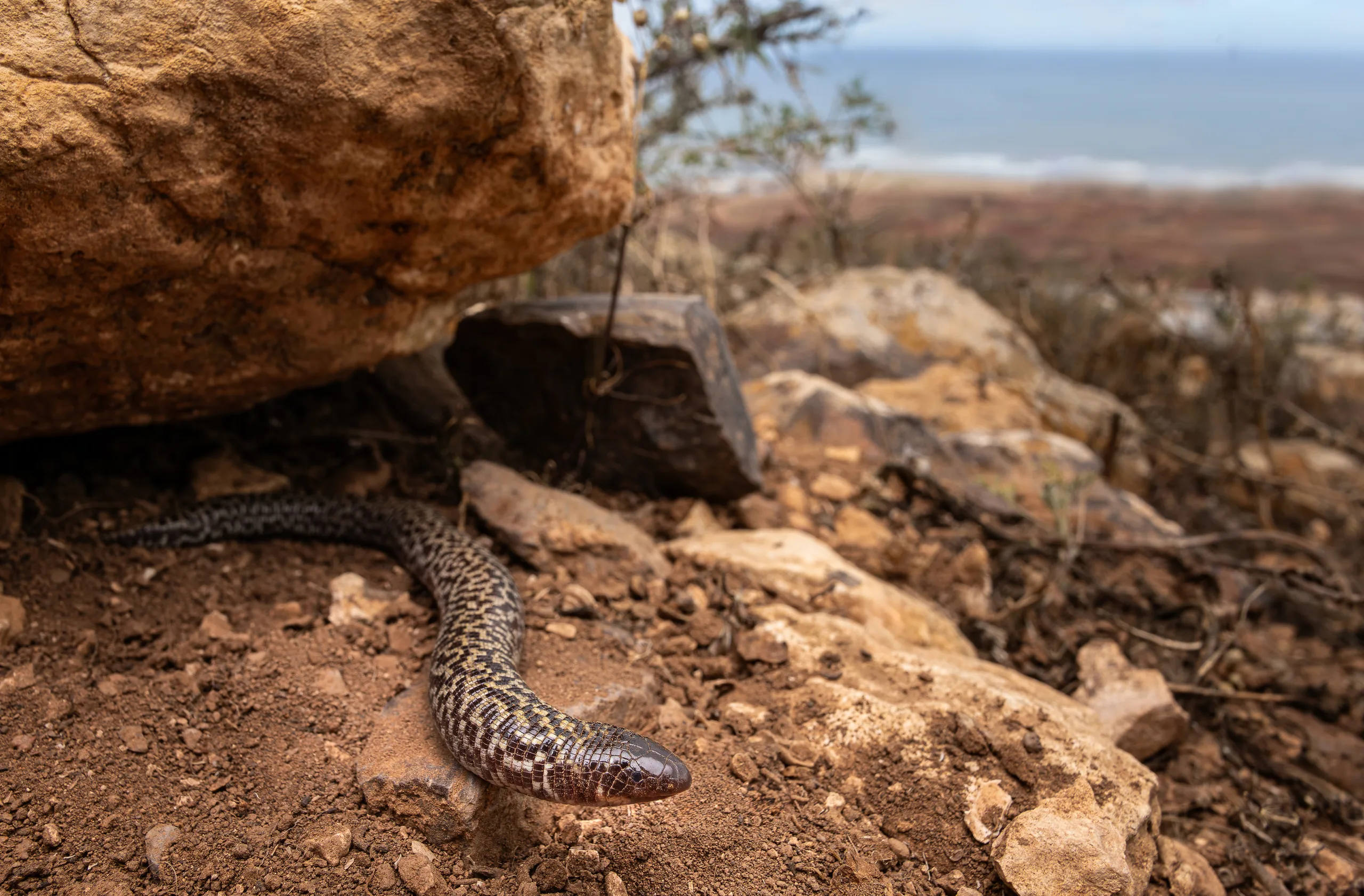
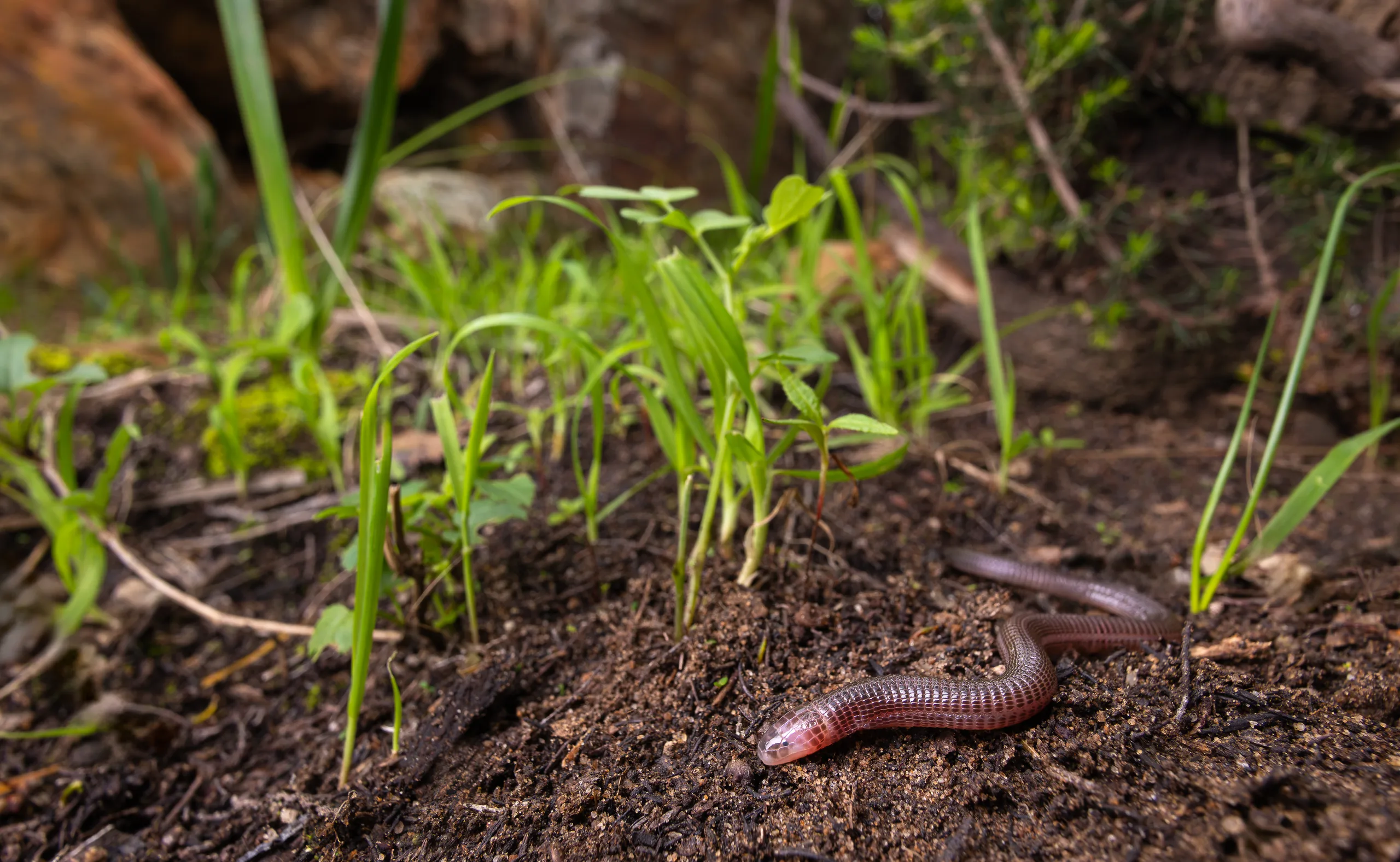 Trogonophis wiegmanni elegansCheckerboard Worm Lizard
How to identify a Worm Lizard in Morocco
Morocco's three Worm lizards are harmless, and none of them is a snake. Keep your distance, this guide is for identification, not to encourage the handling of harmless species.
1 Is it really a Worm lizard?
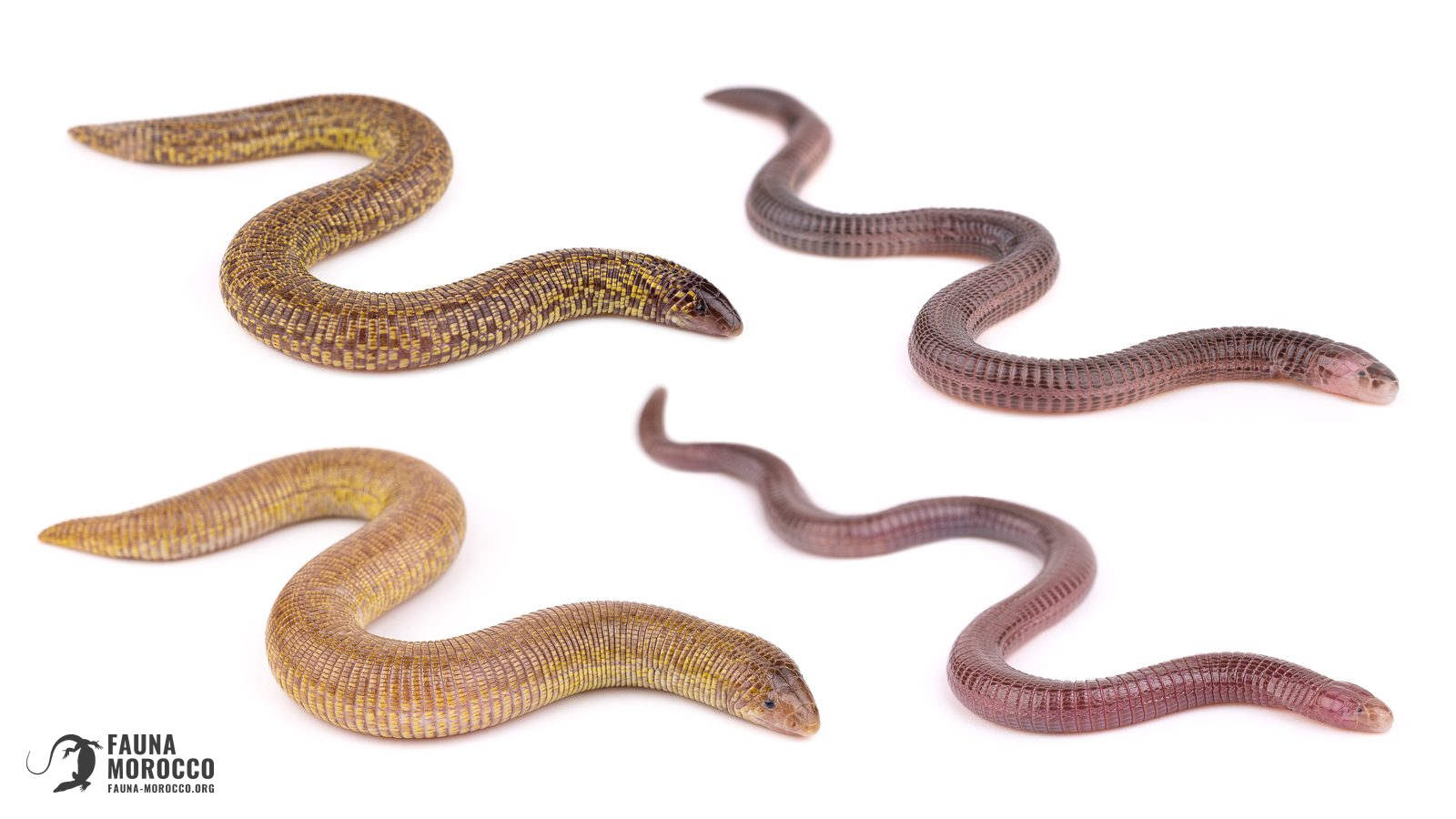 COLLAGE: worm lizard on white
Four quick checks
- Looks like a worm, but with ringed scales
- Eyes hidden under the scales
- Blunt at both ends
- Not to be confused with snakes
2 Which species of Worm lizard is it?
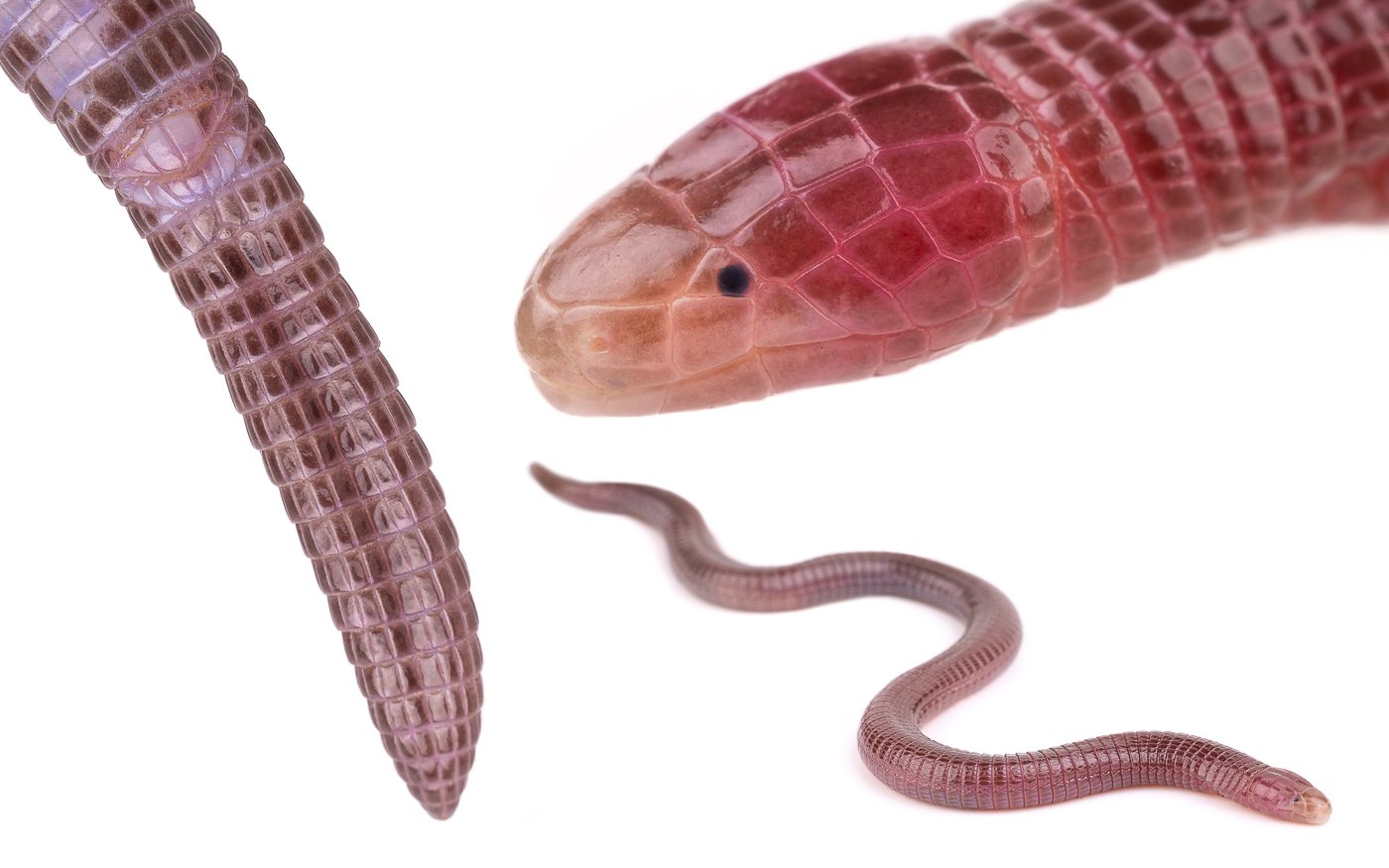
Moroccan Worm Lizard
Blanus mettetali
- Pink, ringed body
- Round snout
- Similar to the Tangier Worm Lizard, but has 8 to 10 pre-anal pores
- Not to be confused with Thread snakes
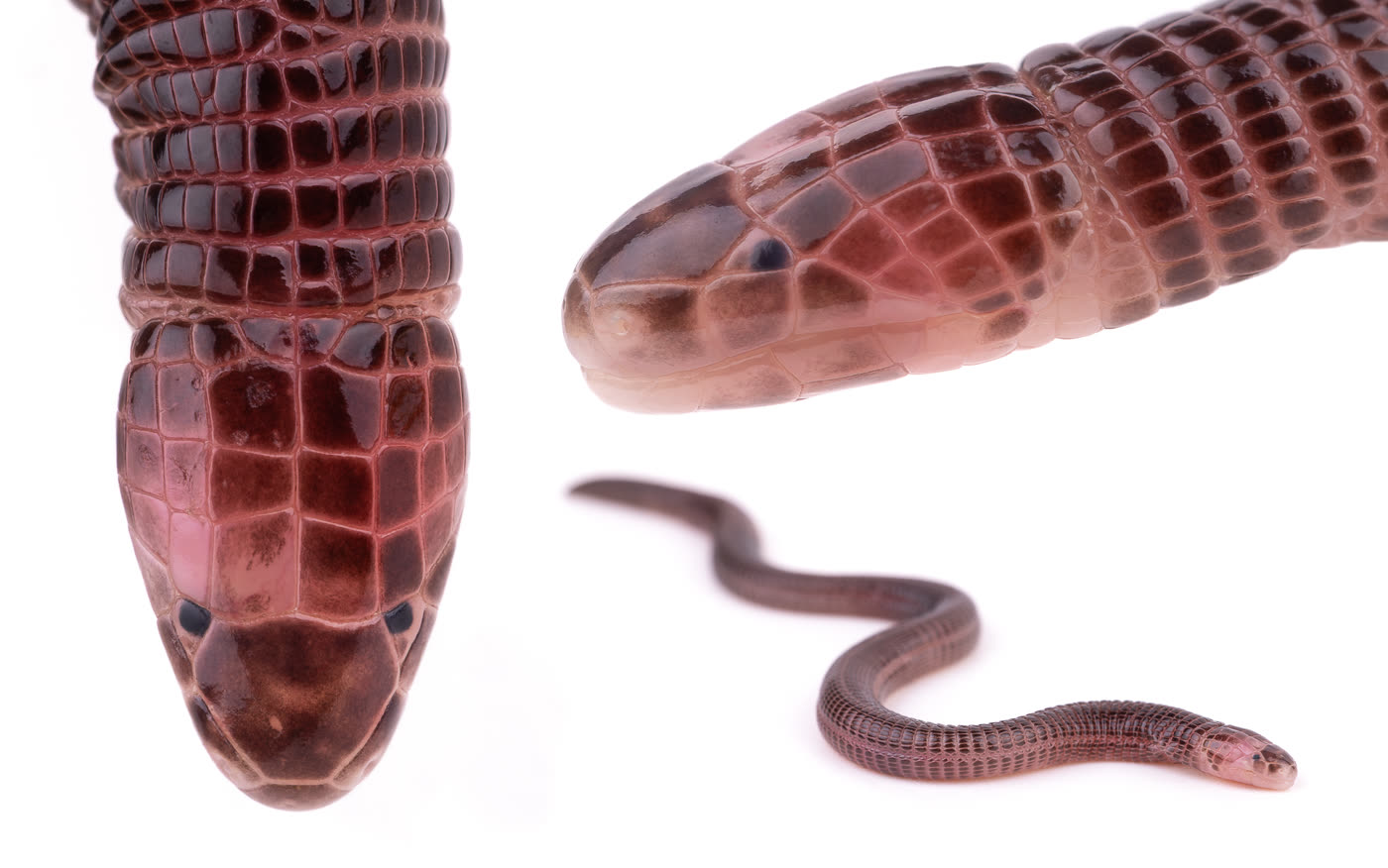
Tangier Worm Lizard
Blanus tingitanus
- Pink, ringed body
- Round snout
- Similar to the Moroccan Worm Lizard, but has 5 to 6 pre-anal pores
- Not to be confused with Thread snakes
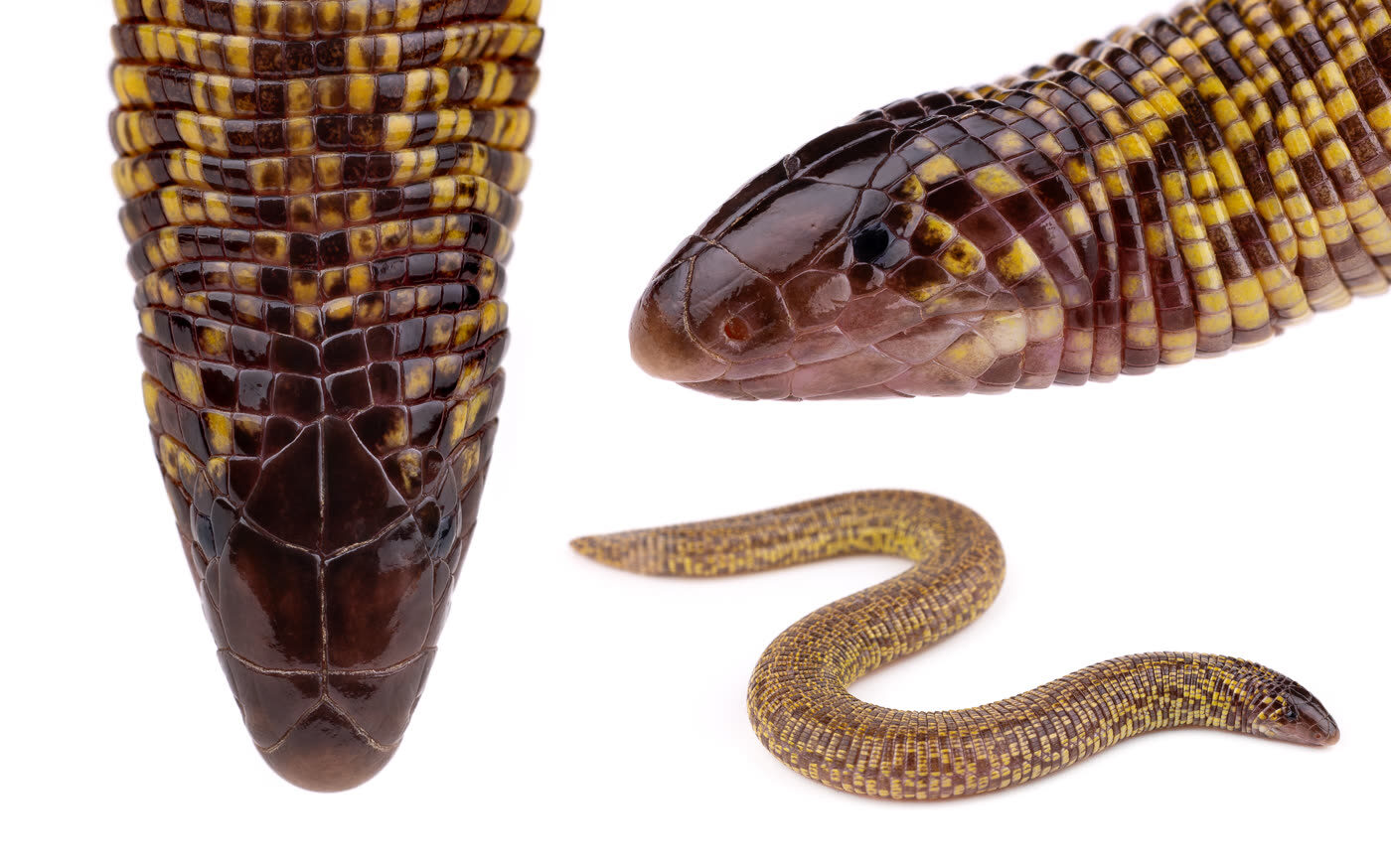
Checkerboard Worm Lizard
Trogonophis wiegmanni
- White to yellow body, checkered with brown to black
- Pointy snout
- Not to be confused with Eryx jaculus
Worm Lizards of Morocco
What is a worm lizard, and does it really have two heads?
Worm lizards are amphisbaenians, a group of burrowing lizards that resemble earthworms and snakes. Despite the myth, and the name amphisbaena borrowed from a two-headed serpent of Greek legend, they have only one head.
Their tail is blunt and rounded so it mirrors the head, and they can move backwards almost as easily as forwards, which is what fuels the two-headed illusion. For a more visual understanding, visit our Amphisbaenian Identification guide.
Are worm lizards dangerous or venomous?
No, worm lizards are entirely harmless. They spend most of their lives underground and out of sight, feeding on small invertebrates. Their legless, snake-like body is what fuels the confusion and the old stories about them being venomous, but they carry no venom and pose no threat to people.
Are worm lizards blind?
Almost. Their eyes are tiny and lie hidden beneath the skin, so they can tell light from dark but not form detailed images. They rely mainly on vibrations and smell to find prey underground.
What do worm lizards eat?
Small invertebrates they find underground, such as termites, ants, worms, spiders and insect larvae.
What are worm lizards called in Morocco?
In Moroccan Arabic it is commonly called الحية العمية (l-hayya l-’amya), “the blind snake”, and also لفعى عمياء (laf’a ’amya), “the blind viper”. Its snake-like look is exactly what earns it both the name and the belief that it is venomous. In reality it is neither a viper nor truly blind, and certainly not venomous: it is completely harmless.
Haven’t found an answer to your question?
Ask us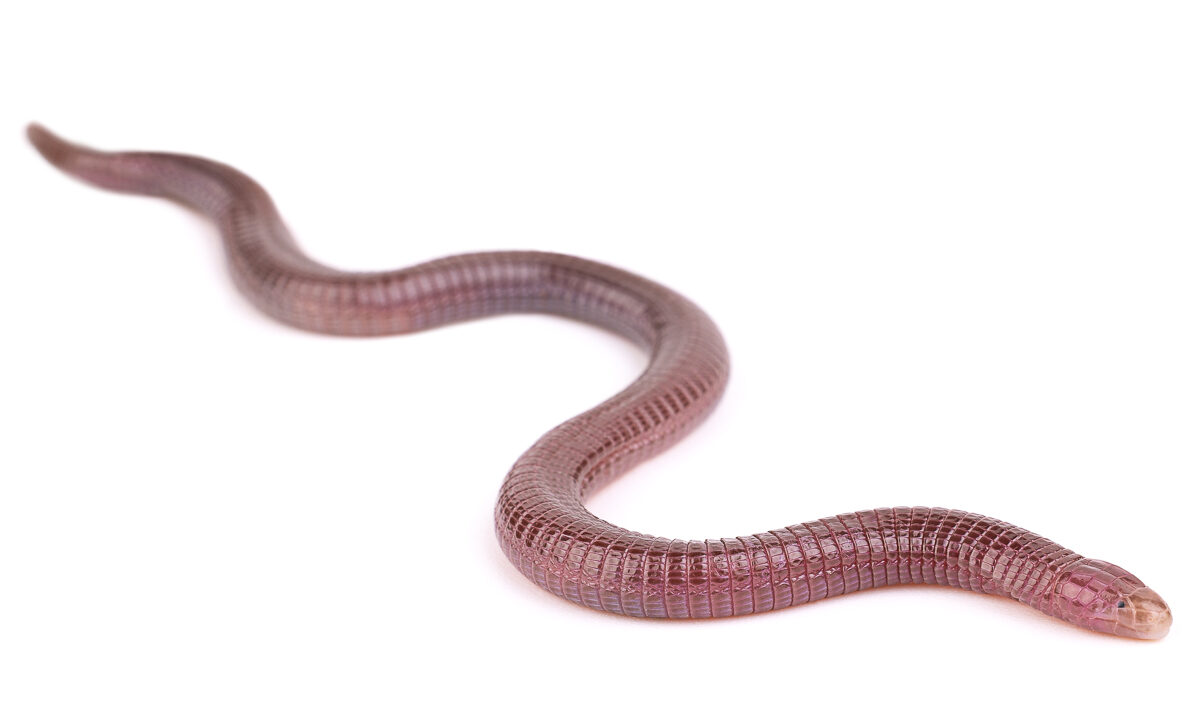
Moroccan Worm Lizard
Blanus mettetali
Page coming soon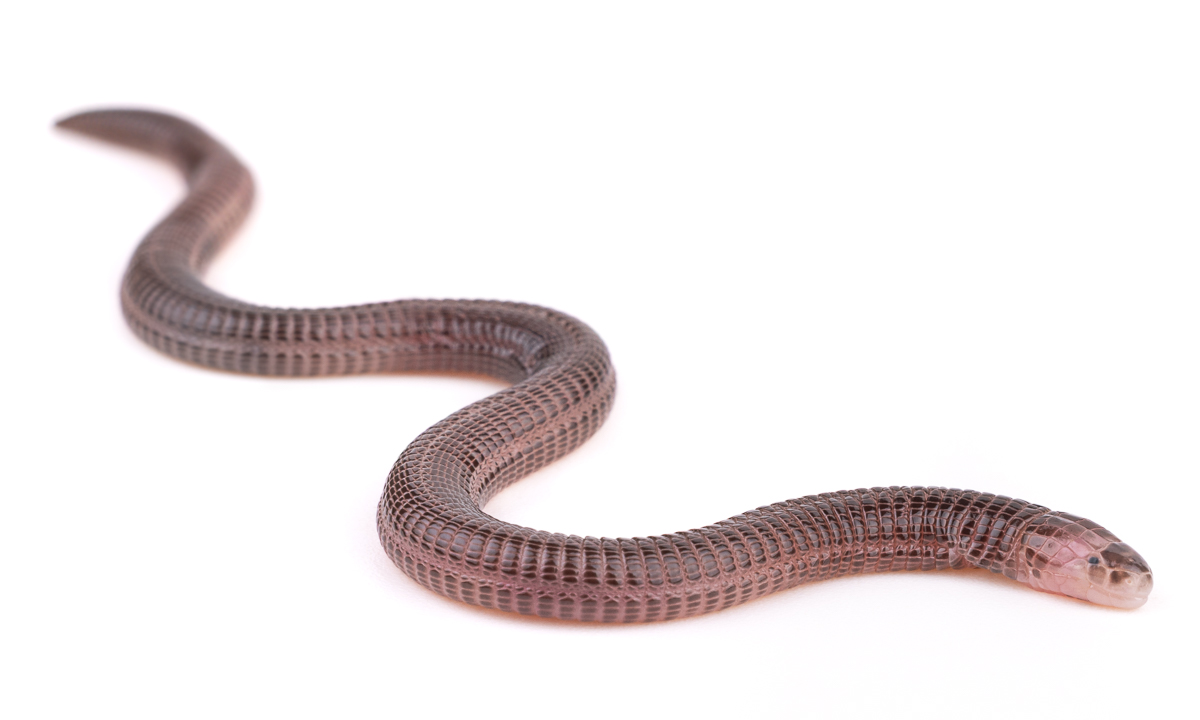
Tangier Worm Lizard
Blanus tingitanus
Page coming soon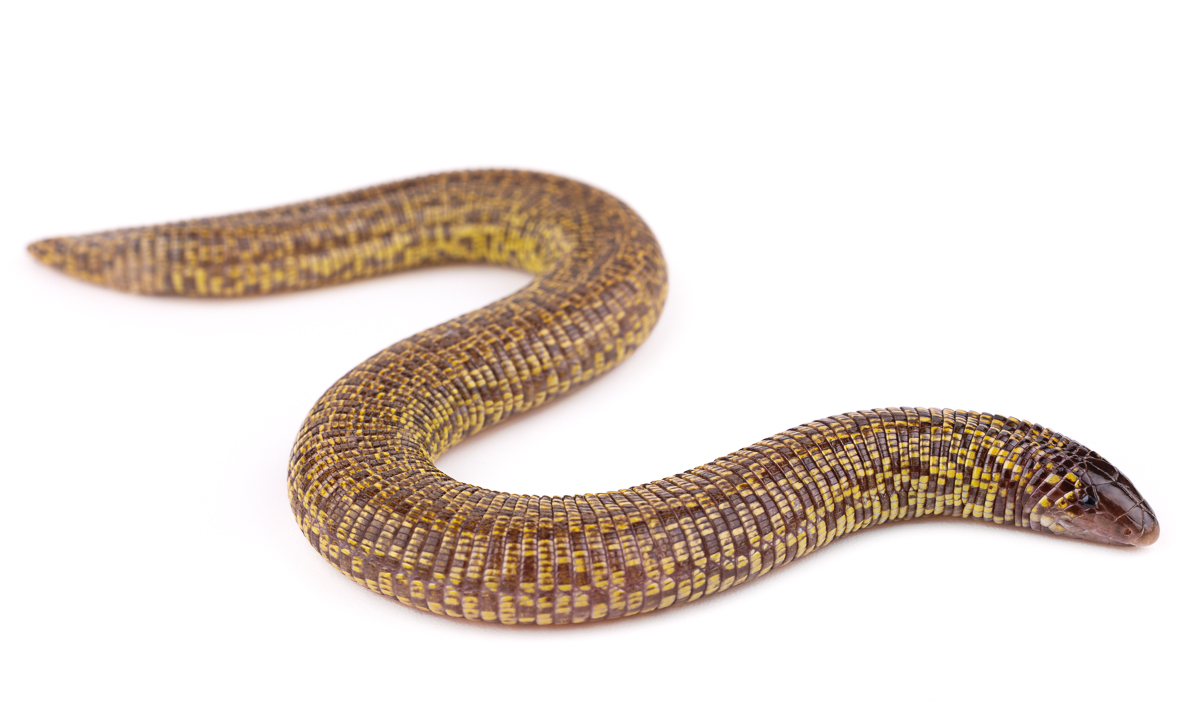
Checkerboard Worm Lizard
Trogonophis wiegmanni
Page coming soonNo species matches that. Try the Latin name, or clear the search.
The full list of Morocco's 3 worm lizard species.
About this checklist
Our list follows the most recent reference checklist of Moroccan herpetofauna (Bouazza et al., 2021). We revise and expand it as new studies appear. For a small number of species, we have drawn our own conclusions in light of the latest data (endemism status, species boundaries).