Sahara Sand Viper

Cerastes vipera

Conservation status: Least Concern
Population trend: Stable

Cerastes vipera header image

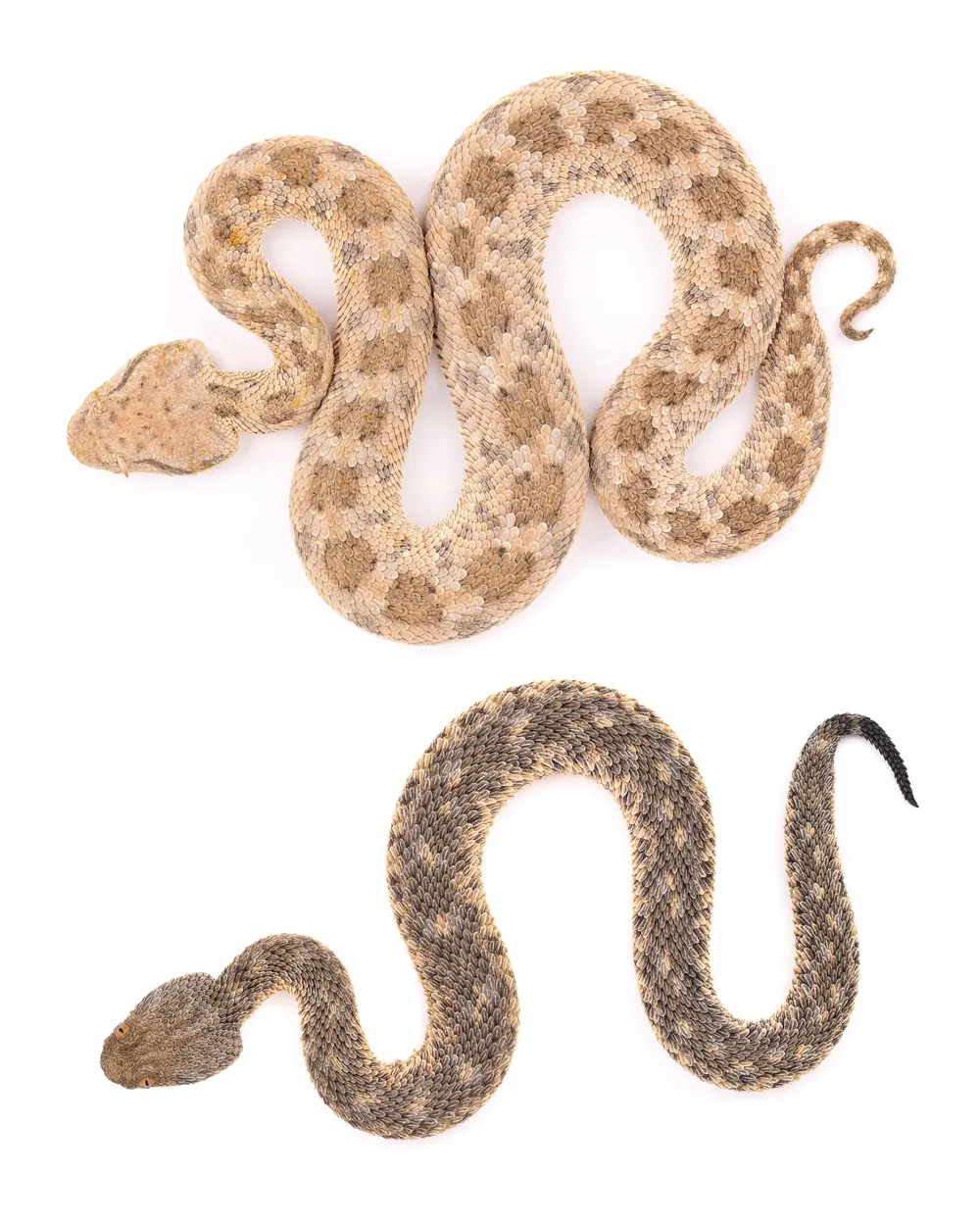
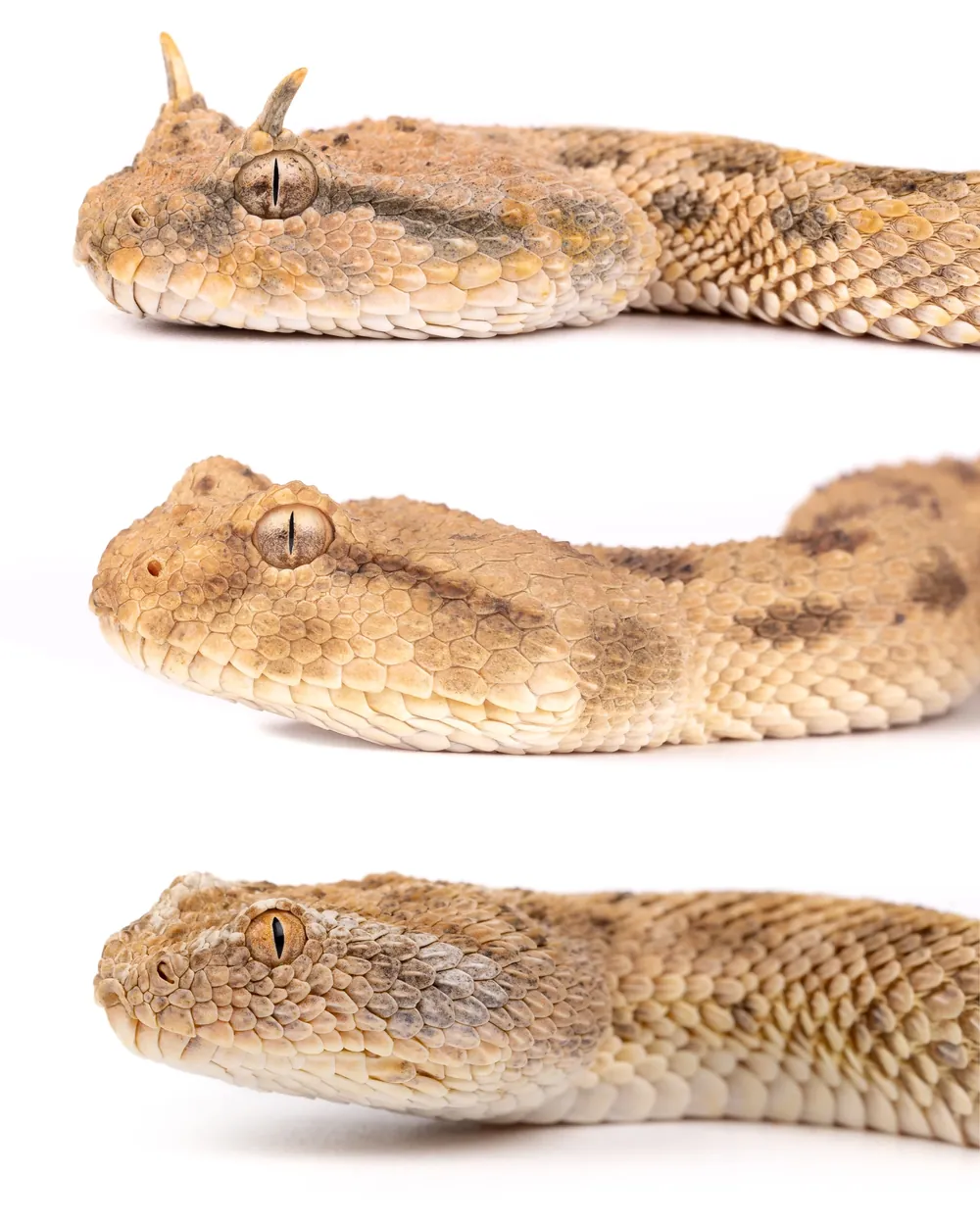
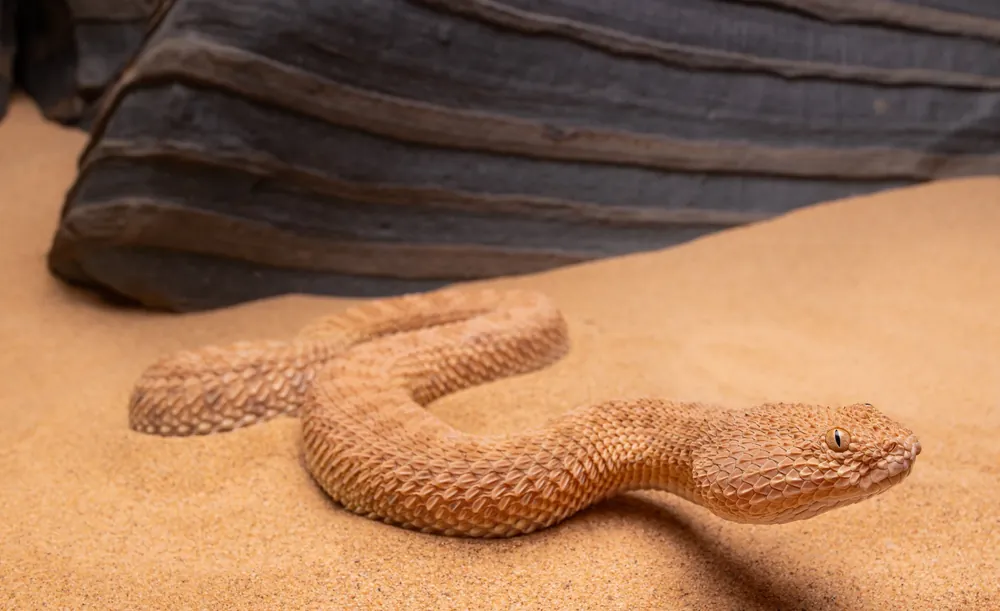
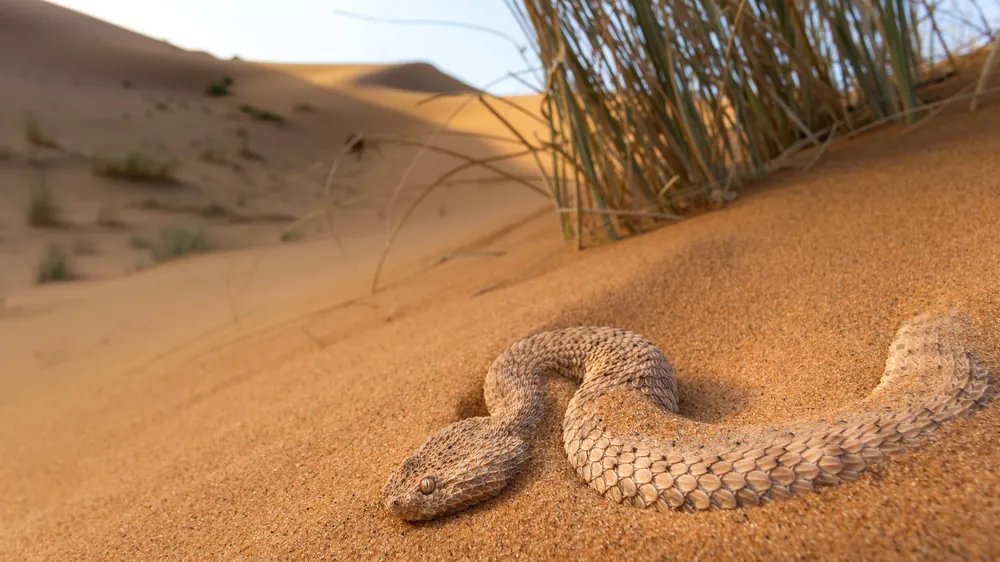
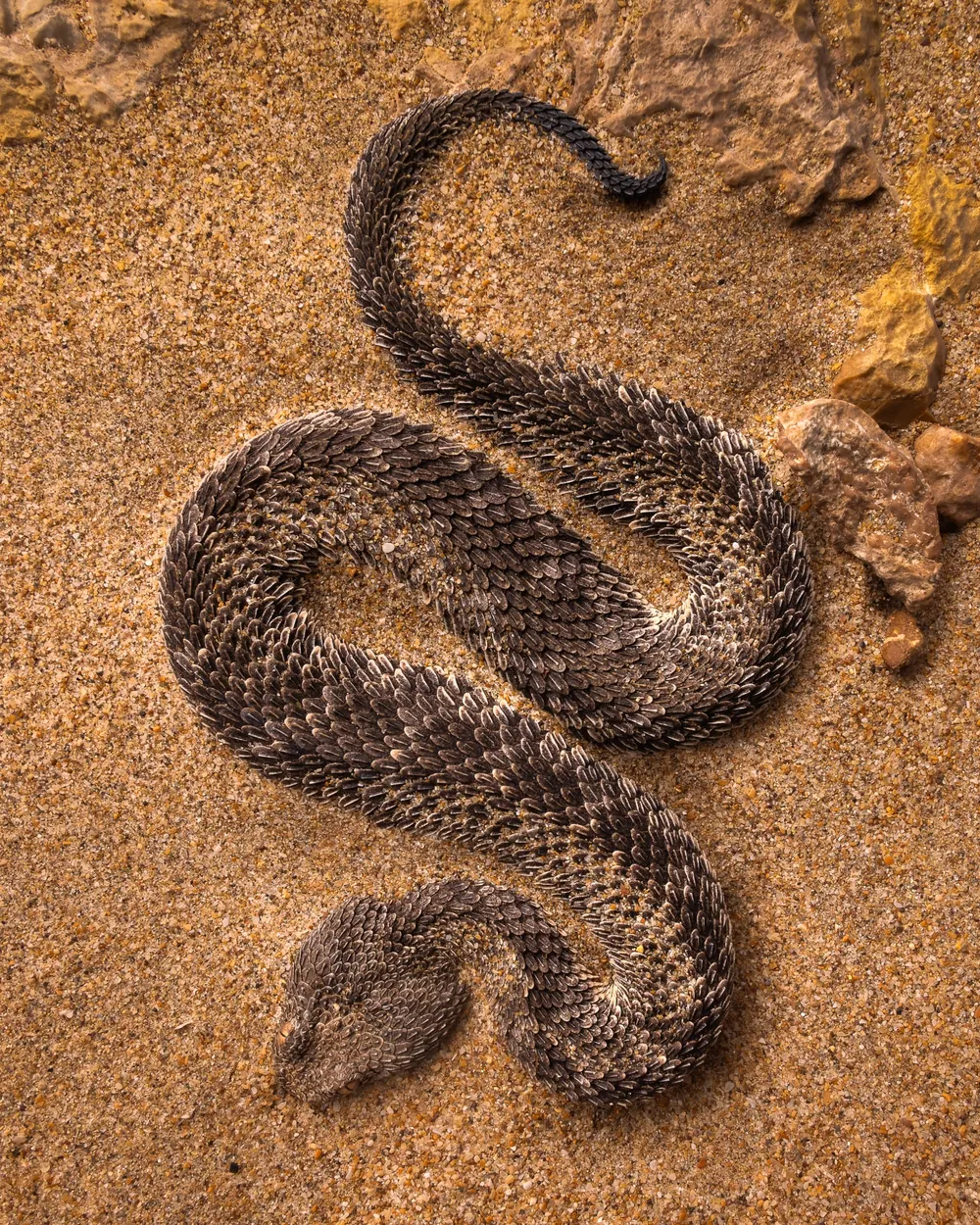
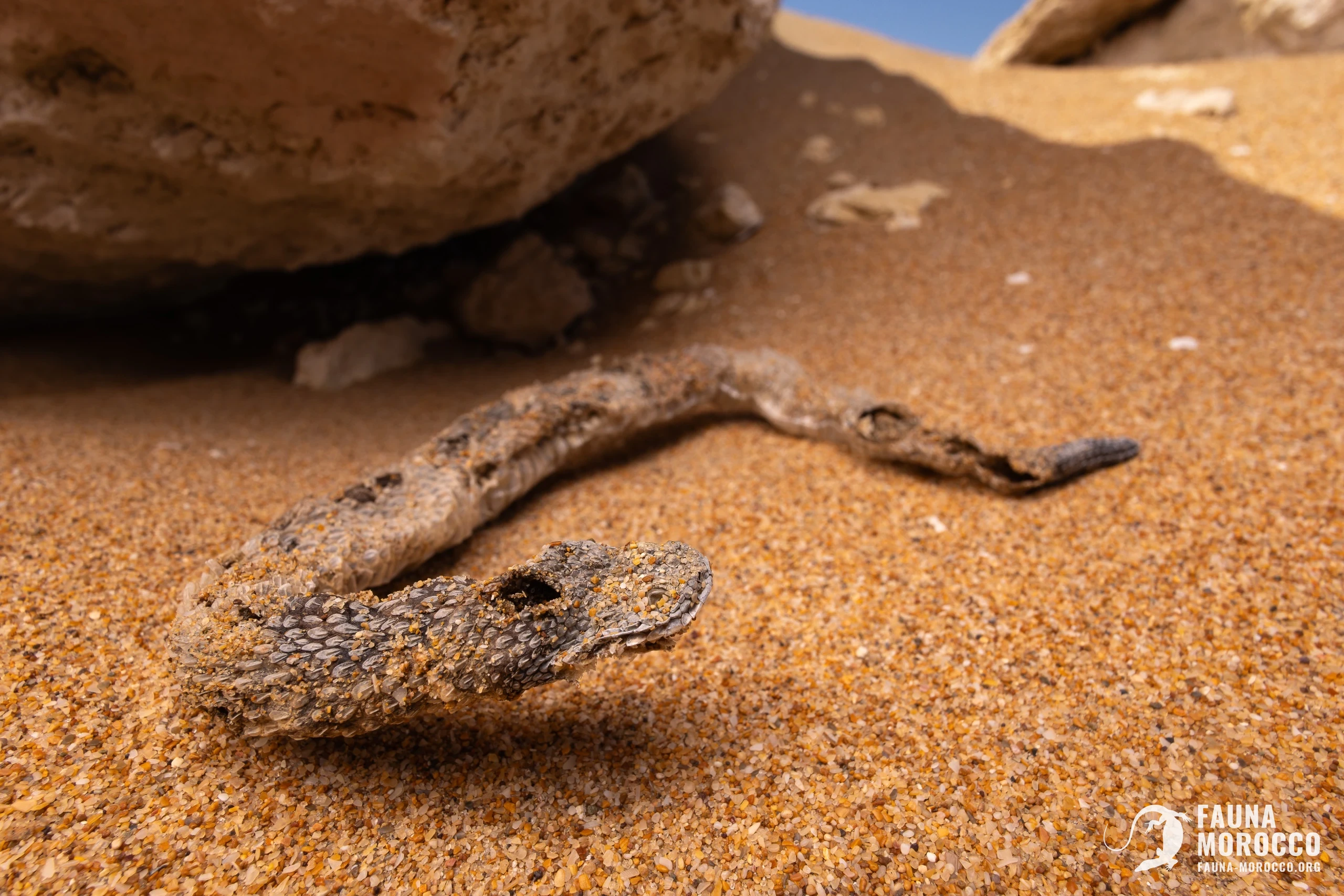
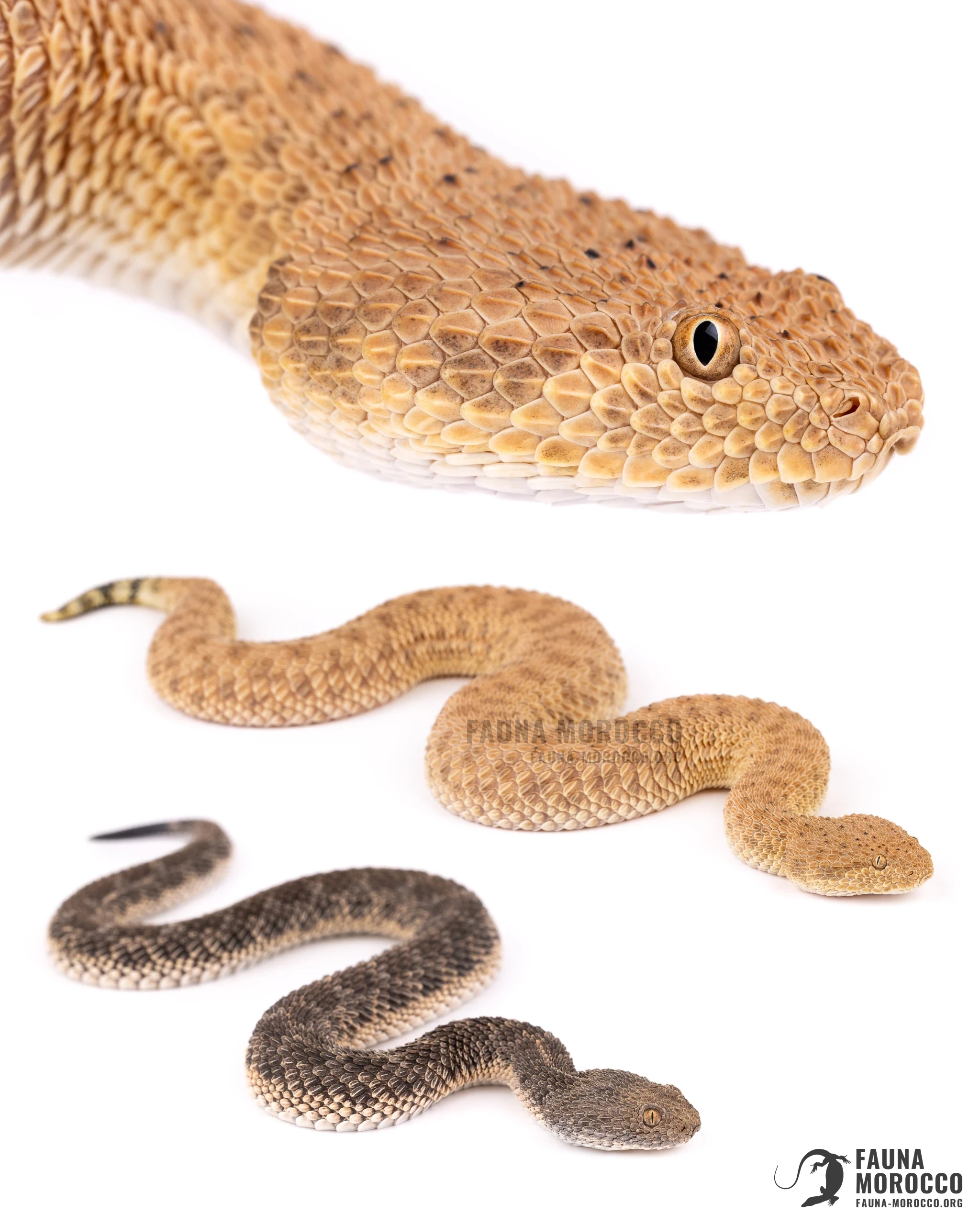
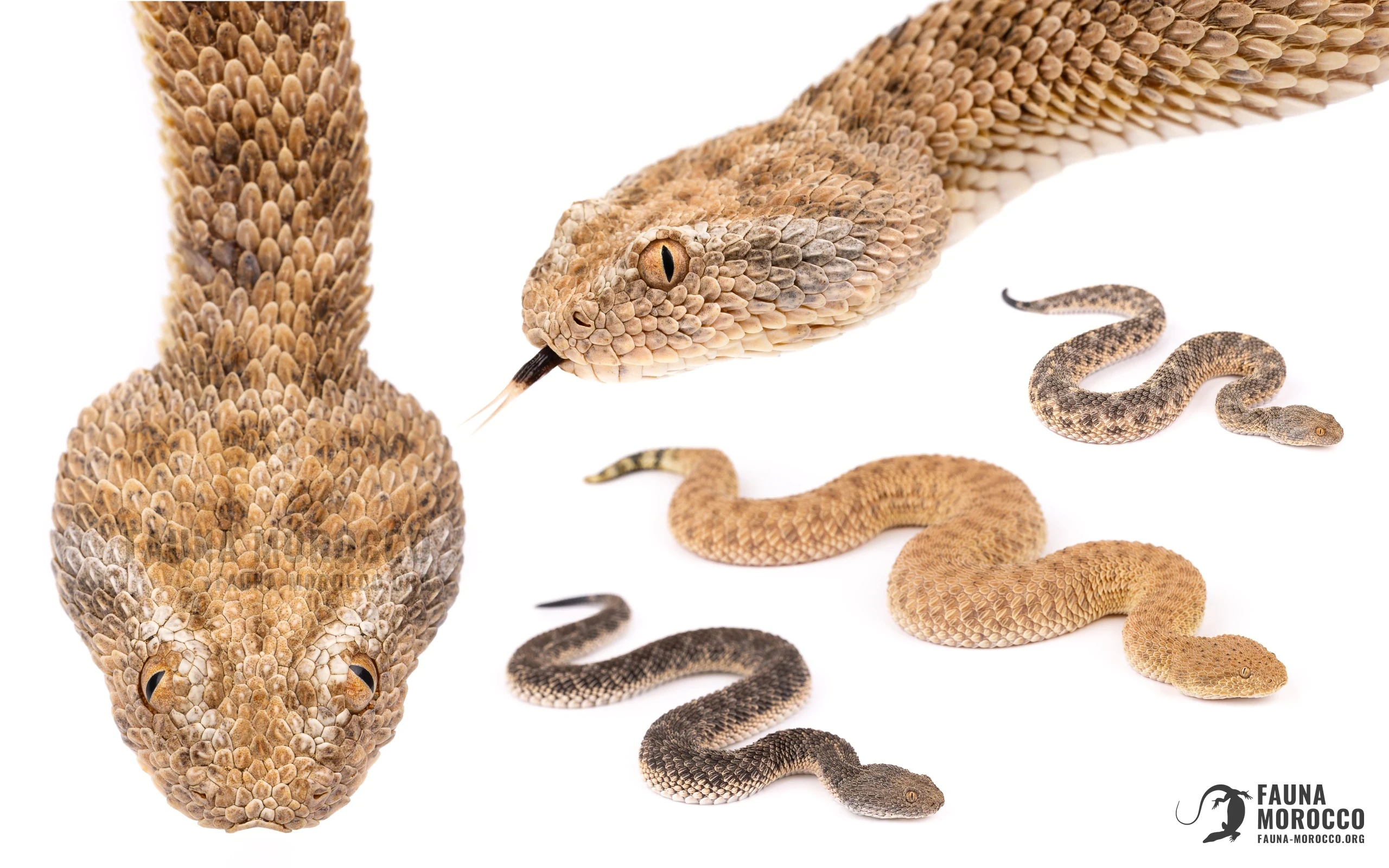
The Sahara Sand Viper (Cerastes vipera) is a small viper species, reaching up to 35 cm in length. Its base coloration is typically sandy, although some individuals can appear darker or even almost entirely black2. These vipers may display gray or white lines on the head, along with various dorsal patterns, often brown in color. Females exhibit sexual dimorphism, with a distinctly black and conspicuous tail tip, unlike males, whose tails lack this coloration7. The scales are strongly keeled. The eyes are positioned more towards the top of the head, which distinguishes this species from the Saharan Horned Viper (Cerastes cerastes).

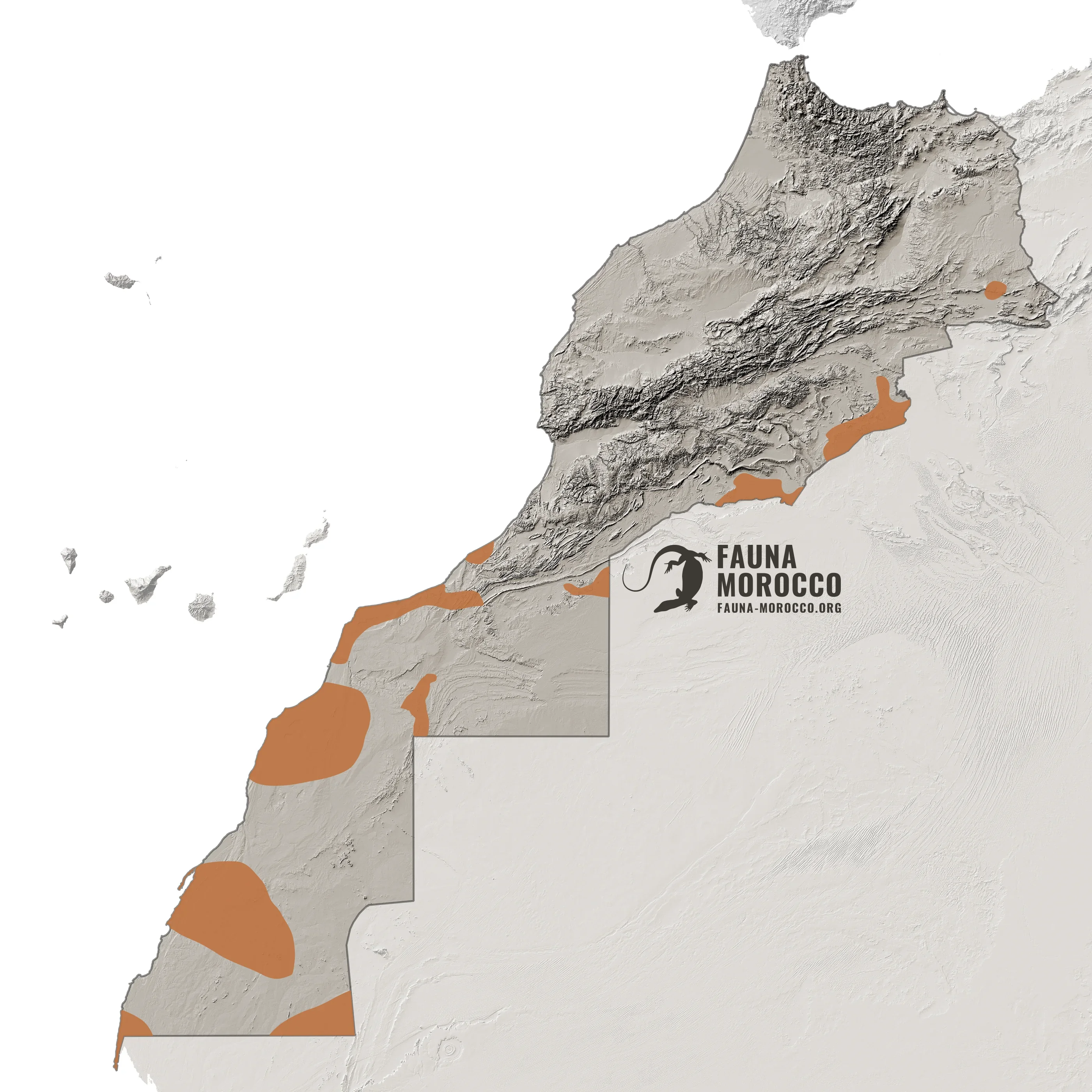
In Morocco, the Sahara sand viper (Cerastes vipera) is distributed from the Atlantic coast in the west to Bouarfa in the east, likely forming a continuous distribution. Its presence is also very likely in other sandy regions, likely around Assa or east all the way to Figuig1.

On a broader scale, the species extends its range across the Sahara Desert, reaching as far as the Sinai Peninsula and the southwestern region of Israel10.

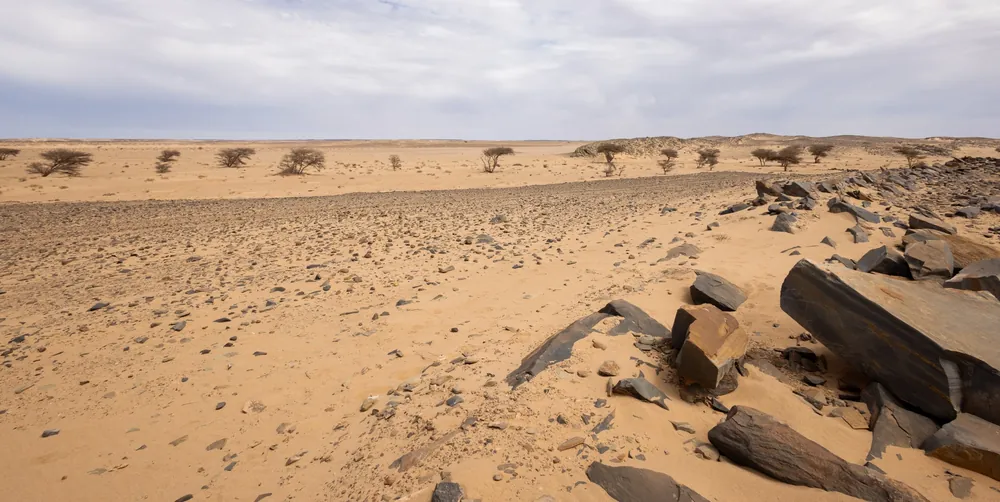
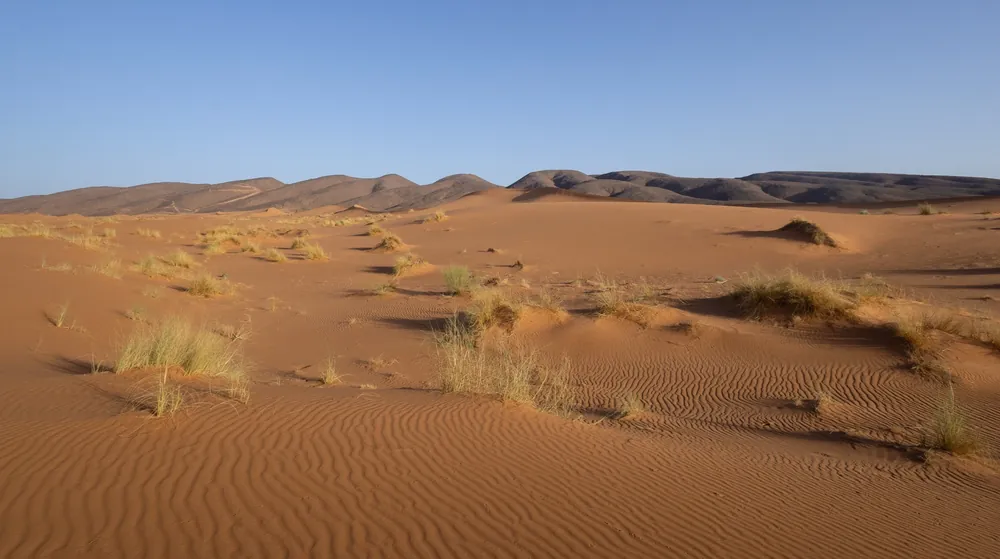
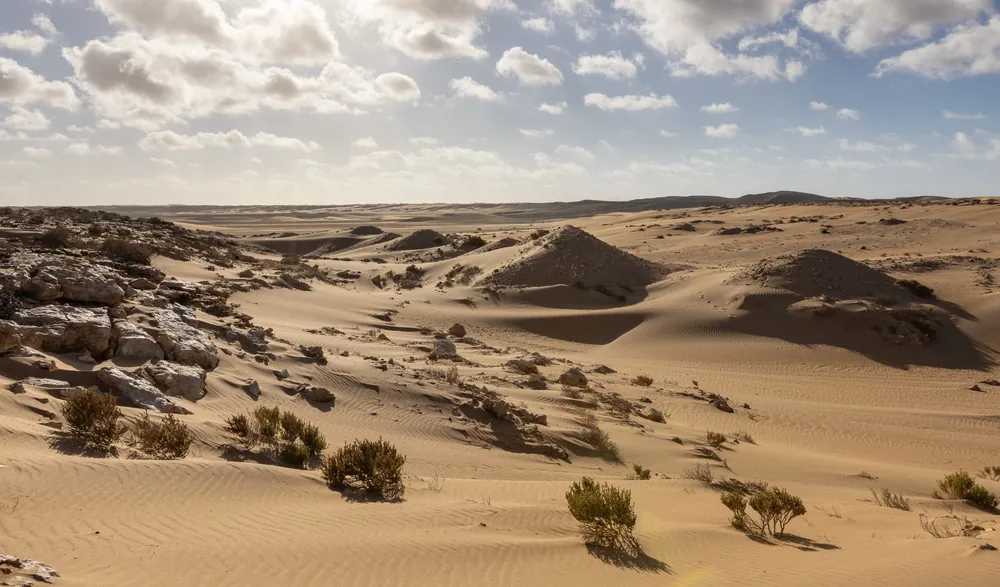
Cerastes vipera is strictly associated with dune and sandy areas throughout all Saharan countries5. Denser vegetation and higher annual rainfall at certain sites are correlated with increased body size and a higher mass-to-length ratio in individuals6.

The diet consists mainly of lizards, particularly Acanthodactylus species5. Hunting success is directly correlated with the distance traveled and the number of burrows inspected, indicating that larger and bulkier individuals, especially females, have an ecological advantage in predation6.

Seasonal Activity and Movement

The species is active from April to October, with activity peaks in spring and autumn. It is primarily nocturnal, being most active during the first three hours after sunset. Nocturnal movements can reach up to 50 meters5. Moreover, relative humidity—rather than temperature—is the environmental factor that most strongly influences the distance traveled6.

Hunting Modes

Unlike most viperids that rely solely on ambush predation, Cerastes vipera uses both active foraging and ambush strategies. Activity intensifies as hibernation approaches, with a marked increase in the number of individuals engaging in active hunting (from 5% in April to over 30% in October). This behavior is influenced by abiotic factors, especially photoperiod, as well as by the individuals' physical condition (body condition index)3.

Behavioral Dimorphism

Females employ a "caudal luring" strategy—using tail movements to mimic prey and attract nocturnal lizards—a behavior completely absent in males. This results in a clear dietary difference, with females consuming more nocturnal lizards than males (15/40 vs. 4/27)7.

Plasma testosterone levels and testicular activity in male Cerastes vipera (testis volume, seminiferous tubule diameter, spermatogenesis) show high values in both spring and autumn, but reproduction occurs only in spring. Males are both "autumnal" (producing sperm in autumn, stored during hibernation) and "vernal" (producing sperm in early spring). Thus, spermatogenesis is prenuptial, peaking before spring mating. Females give birth to fully developed young at the end of summer4.

*Cerastes vipera* enters hibernation in November and re-emerges in April3,4. The need to accumulate significant energy reserves before this period strongly influences hunting behavior, notably by increasing active foraging.

This viper possesses hollow venom fangs that are relatively fragile and essential for predation. These fangs function like "disposable needles," as they are frequently lost and replaced. In fact, about 25% of the fecal samples analyzed contain fangs, suggesting a replacement every four predation events, or approximately every twenty days8. Remarkably, the posterior teeth are also lost and replaced at a similar rate, indicating their active role in grasping and swallowing prey.

Cerastes vipera benefits from a wide distribution range that is relatively distant from human activities. As a result, it is classified as Least Concern by the IUCN9.

  1. Bouazza, A., Laidi, K., & Justo, M. (2020). New record of the Sahara sand viper, Cerastes vipera (Linnaeus, 1758), from north-eastern Morocco.
  2. García-Antón, P., Peranic, V., & Marín, G. (2024). First record of partially melanistic individual of Cerastes vipera (Squamata: Viperidae). 34, 37–41.
  3. Horesh, S. J. A., Sivan, J., Rosenstrauch, A., Tesler, I., Degen, A. A., & Kam, M. (2017). Seasonal biotic and abiotic factors affecting hunting strategy in free-living Saharan sand vipers, Cerastes vipera. Behavioural Processes, 135, 40–44. https://doi.org/10.1016/j.beproc.2016.11.013
  4. Sivan, J., Kam, M., Hadad, S., Allan Degen, A., Rozenboim, I., & Rosenstrauch, A. (2012). Reproductive cycle of free-living male Saharan sand vipers, Cerastes vipera (Viperidae) in the Negev desert, Israel. General and Comparative Endocrinology, 179(2), 241–247. https://doi.org/10.1016/j.ygcen.2012.08.021
  5. Sivan, J., Kam, M., Hadad, S., Degen, A. A., Rozenboim, I., & Rosenstrauch, A. (2013). Temporal activity and dietary selection in two coexisting desert snakes, the Saharan sand viper (Cerastes vipera) and the crowned leafnose (Lytorhynchus diadema). Zoology, 116(2), 113–117. https://doi.org/10.1016/j.zool.2012.09.002
  6. Subach, A., Scharf, I., & Ovadia, O. (2009). Foraging behavior and predation success of the sand viper (Cerastes vipera). Canadian Journal of Zoology, 87, 520–528. https://doi.org/10.1139/Z09-034
  7. Tesler, I., Sivan, J., Rosenstrauch, A., Horesh, S. J. A., Degen, A. A., & Kam, M. (2019). Sexual dichromatisation and sexual differences in hunting behavior and dietary intake in a free-ranging small viperid snake, Cerastes vipera. Behavioural Processes, 168, 103960. https://doi.org/10.1016/j.beproc.2019.103960
  8. Tesler, I., Sivan, J., Degen, A. A., & Kam, M. (2022). Replacement of fangs in a free-ranging desert viperid, Cerastes vipera. Zoology, 152, 126013. https://doi.org/10.1016/j.zool.2022.126013
  9. Wilms, T., Wagner, P., Joger, U., Geniez, P., Crochet, P.-A., El Mouden, E.H. & Mateo, J.A. (2013). Cerastes vipera. The IUCN Red List of Threatened Species 2013: e.T178210A15636436. https://dx.doi.org/10.2305/IUCN.UK.2013-1.RLTS.T178210A15636436.en. Accessed on 10 June 2025.
  10. Schweiger, M. (2012). Cerastes vipera (Linnaeus, 1758). In: Martínez, G., León, R., Jiménez-Robles, O., González De la Vega, J. P., Gabari, V., Rebollo, B., Sánchez-Tójar, A., Fernández-Cardenete, J. R., Gállego, J. (Eds.). Moroccoherps. Amphibians and Reptiles of Morocco and Western Sahara. Available from www.moroccoherps.com/en/ficha/Cerastes_vipera/. Version 2/08/2012.