Mission report · August and September 2025
The Common chameleon
Study and conservation project of the Common chameleon (Chamaeleo chamaeleon) in Morocco
Project partners



With the support of

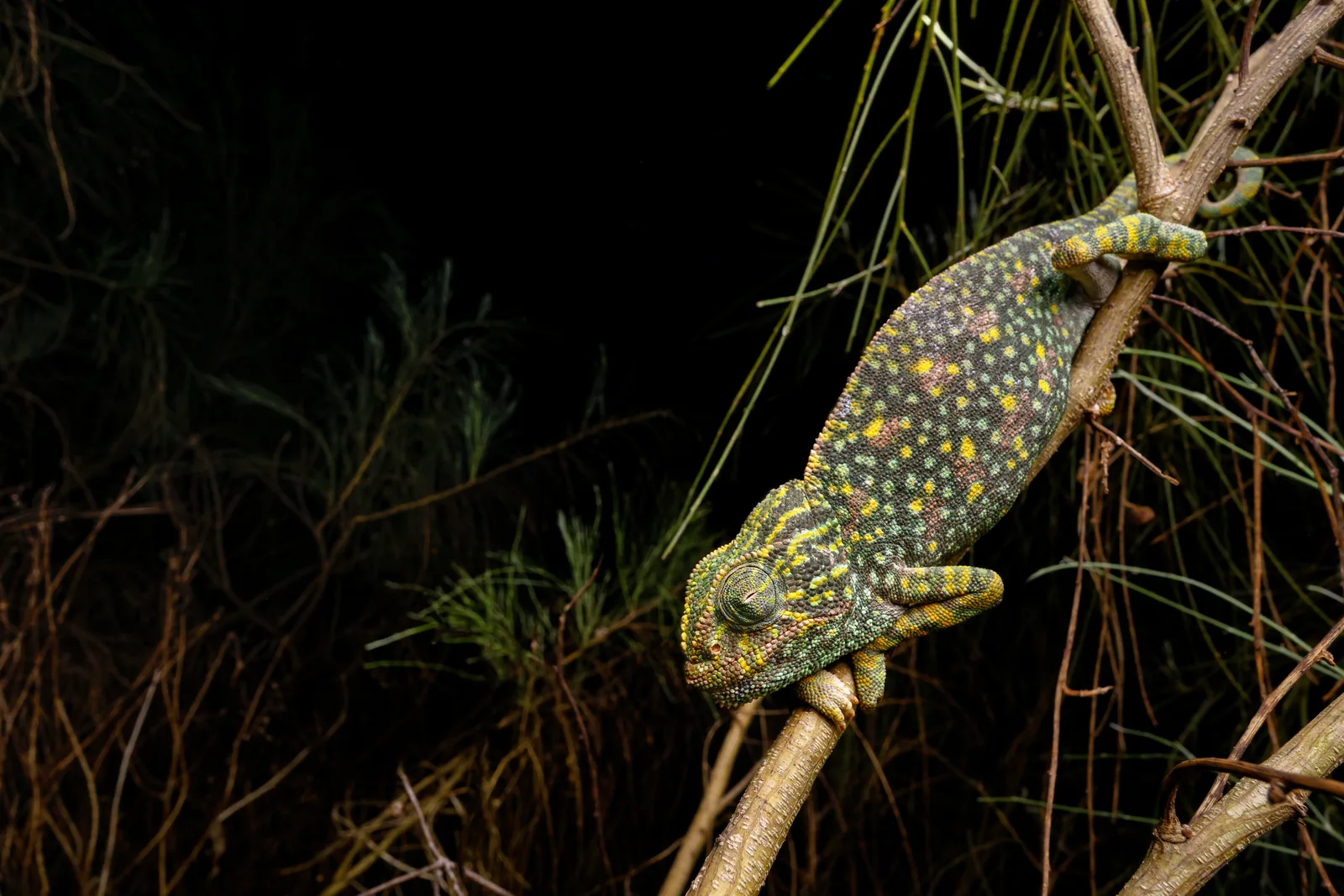
The project
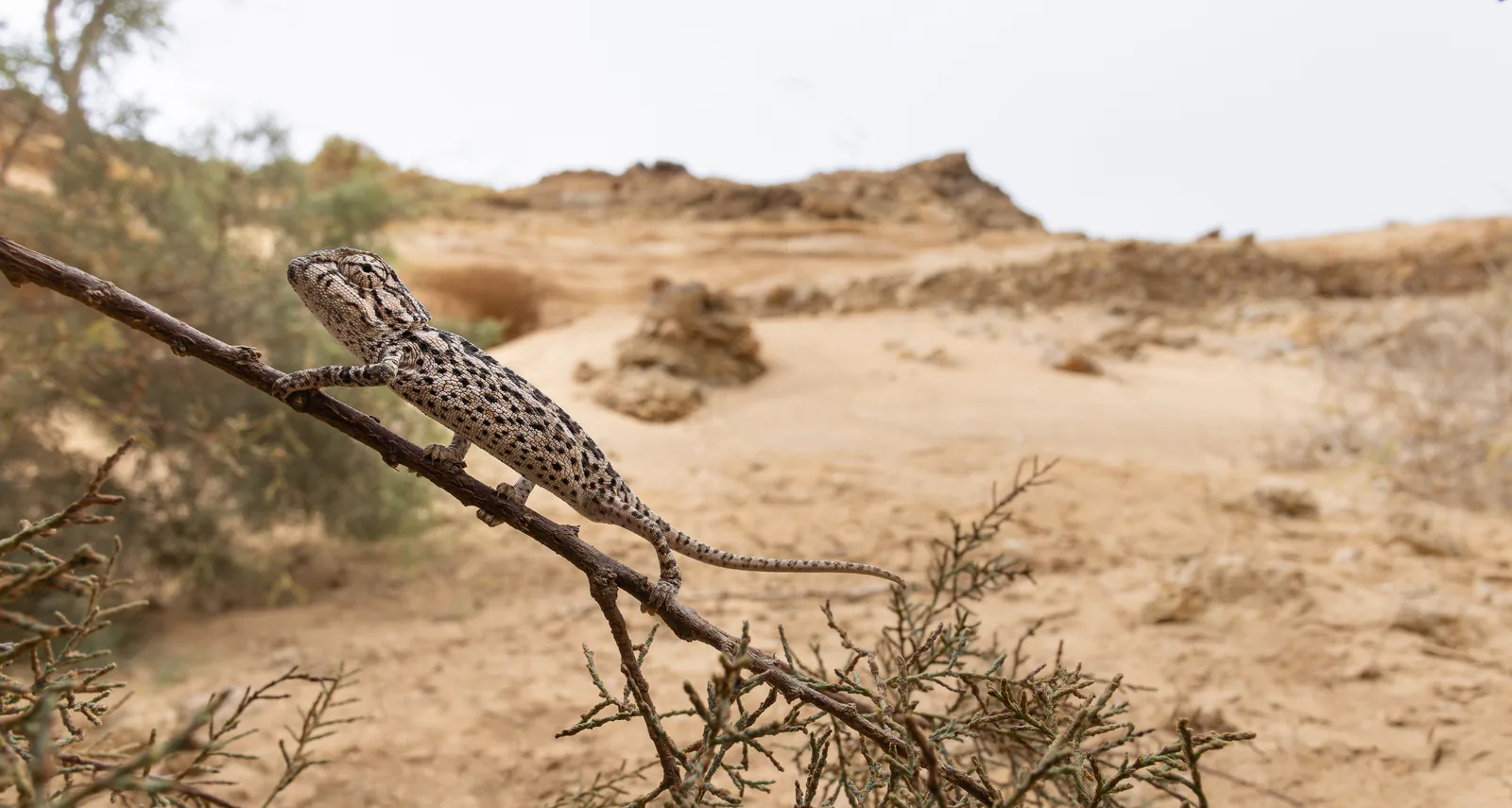
This very observation is what led to the launch of our project, which aims to expand knowledge about the common chameleon in Morocco, so that appropriate and effective conservation measures can be taken.
The threats facing chameleons are numerous (habitat destruction, accidental pressures, collection for resale, traditional medicine and sorcery, drought), yet none of them have been properly measured to determine their impact on the country's various chameleon populations.
The aim of this first mission was therefore to initiate the study process we intend to carry out, to meet relevant stakeholders, and to photo-document everything in order to create a photographic record that tells the story of these chameleons, the dangers they face, and the urgency to act.
The mission was part of a wider Fauna Morocco expedition for its encyclopedia project. It allowed us to document all previously identified threats, and also to test a questionnaire for an ethnobiological study planned for the future, aimed at better understanding the relationship between humans and chameleons in Morocco.
The project
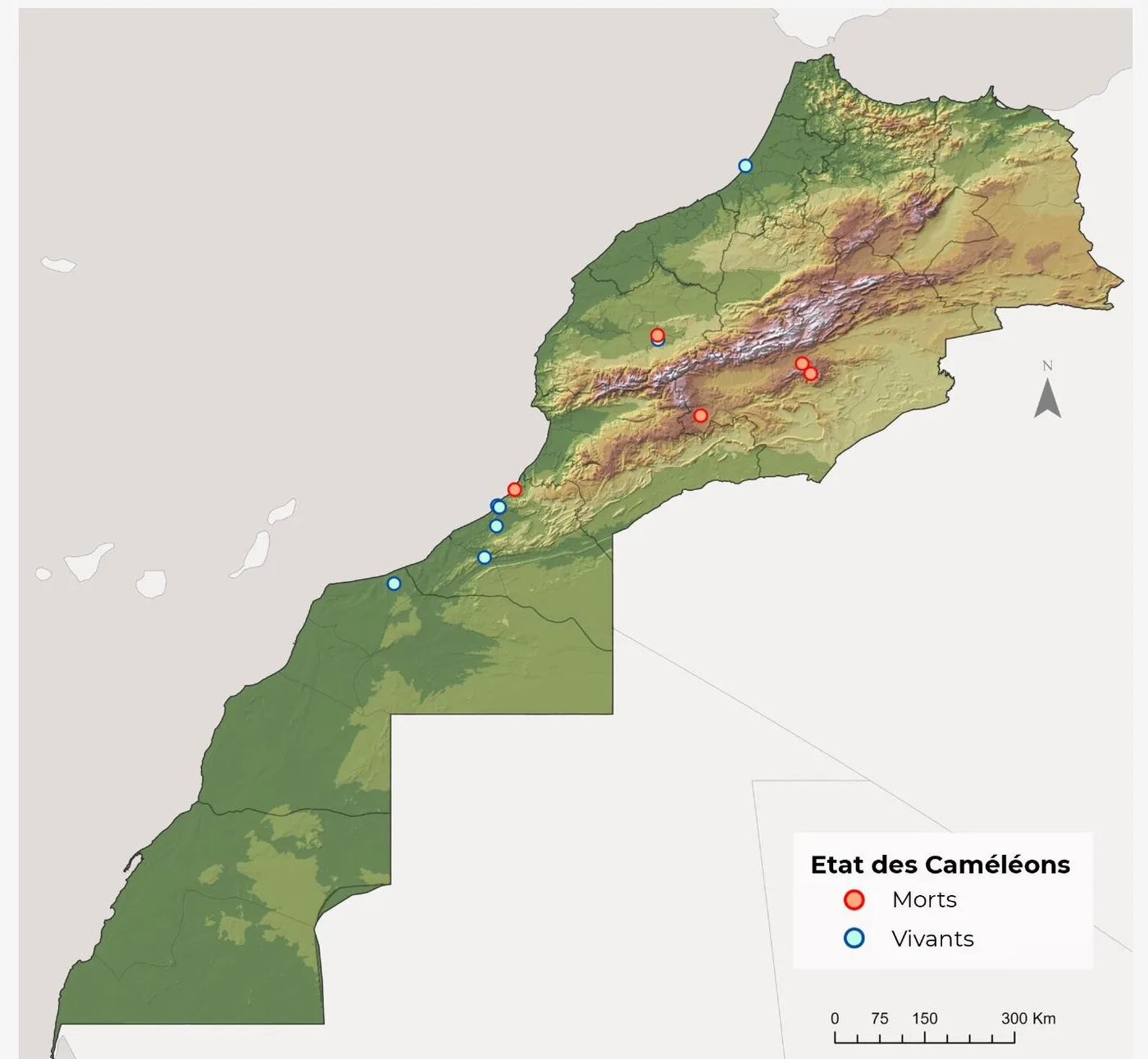
Although it was sometimes difficult to find chameleons in certain areas, we still returned from the expedition having documented more than 50 individuals across 12 different localities.
Twelve of them were found in their natural environment, around ten were in captivity and intended for sale, while the remaining chameleons were found dead in various locations.
20 people also agreed to answer our questions, allowing us to begin collecting valuable information for our ethnobiological study.
Some chameleon sellers also agreed to cooperate, enabling us to start identifying the uses and commercial value of both dead and live chameleons.
Recorded threats
In several regions of Morocco, chameleons are still attributed medicinal or mystical properties.
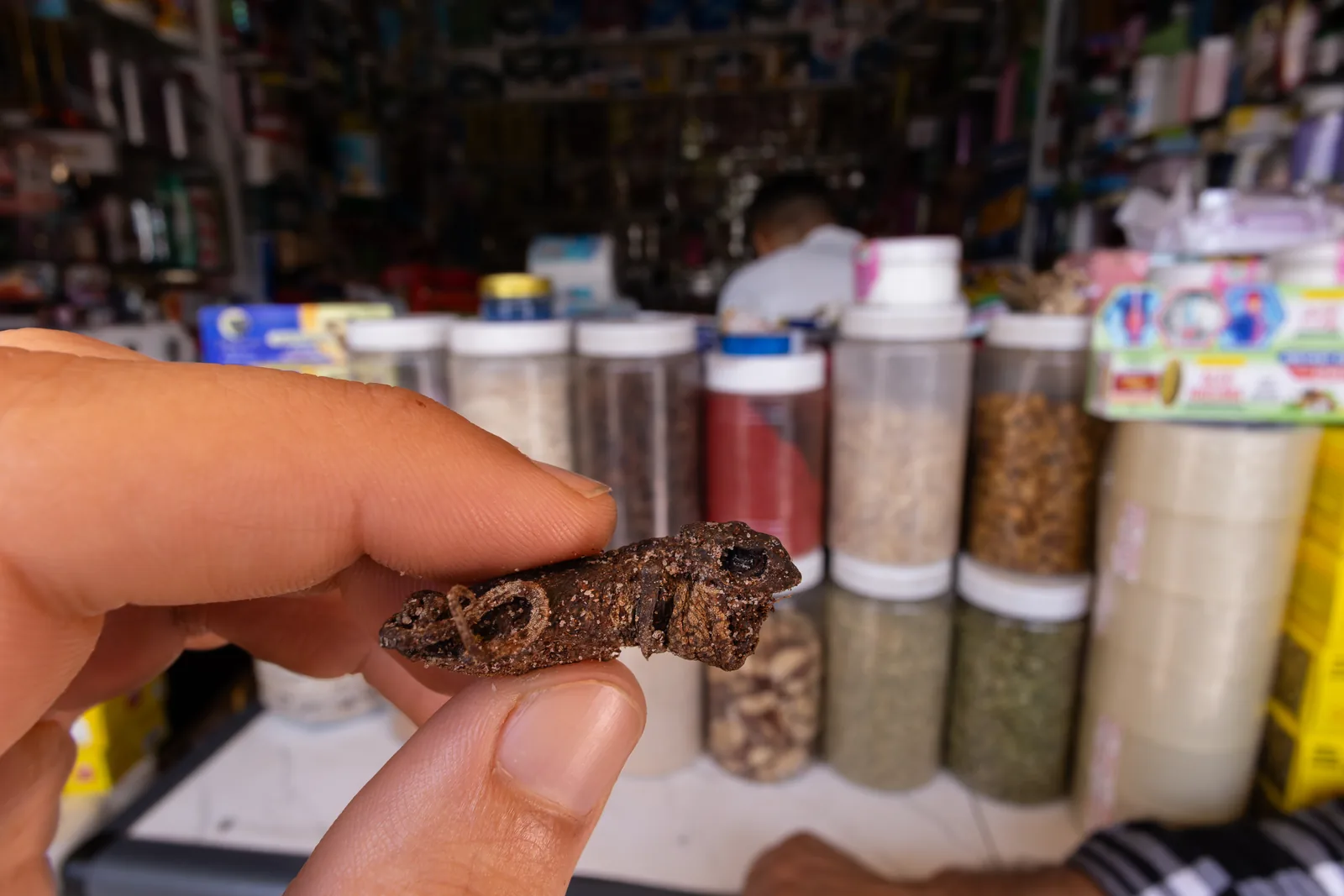
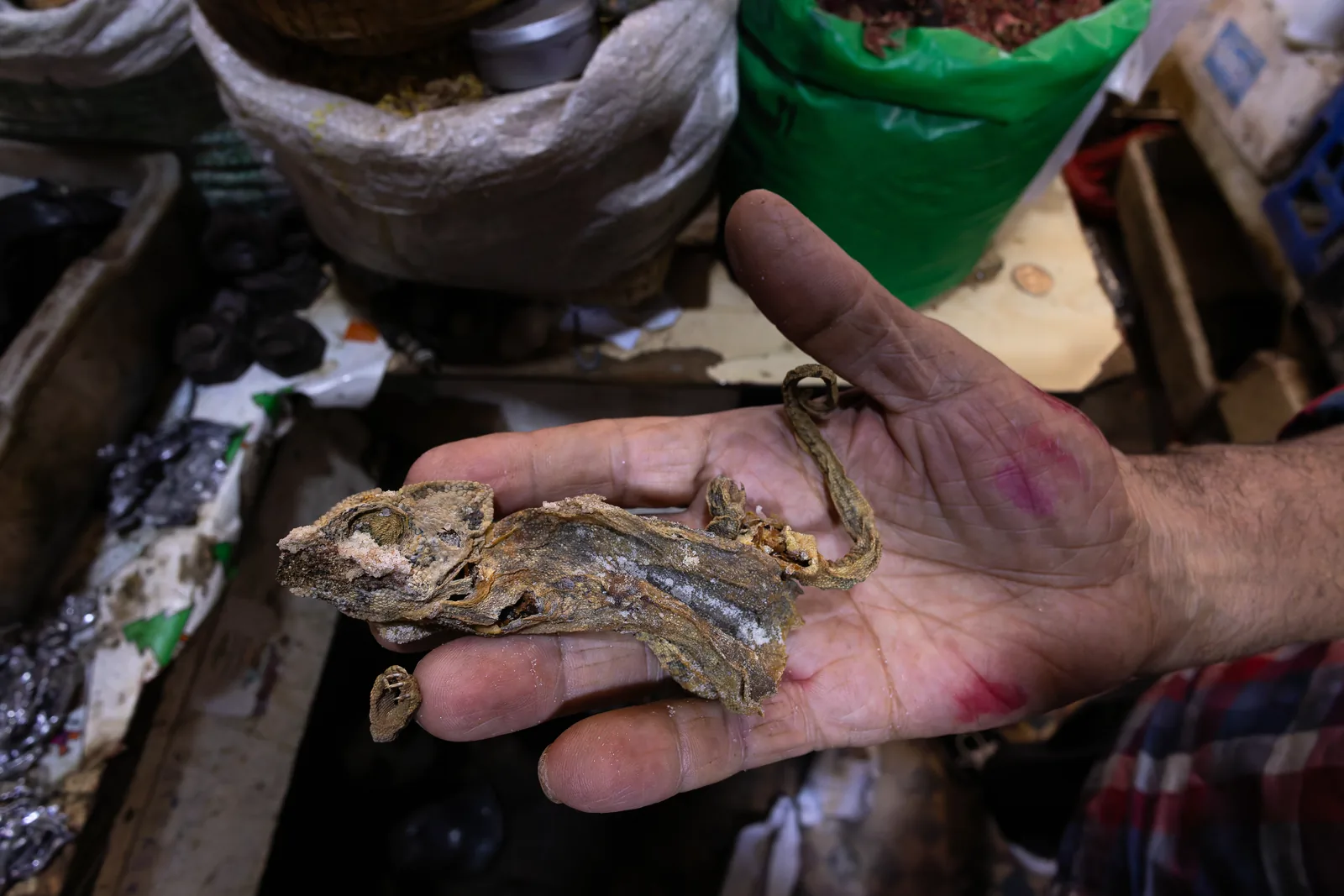
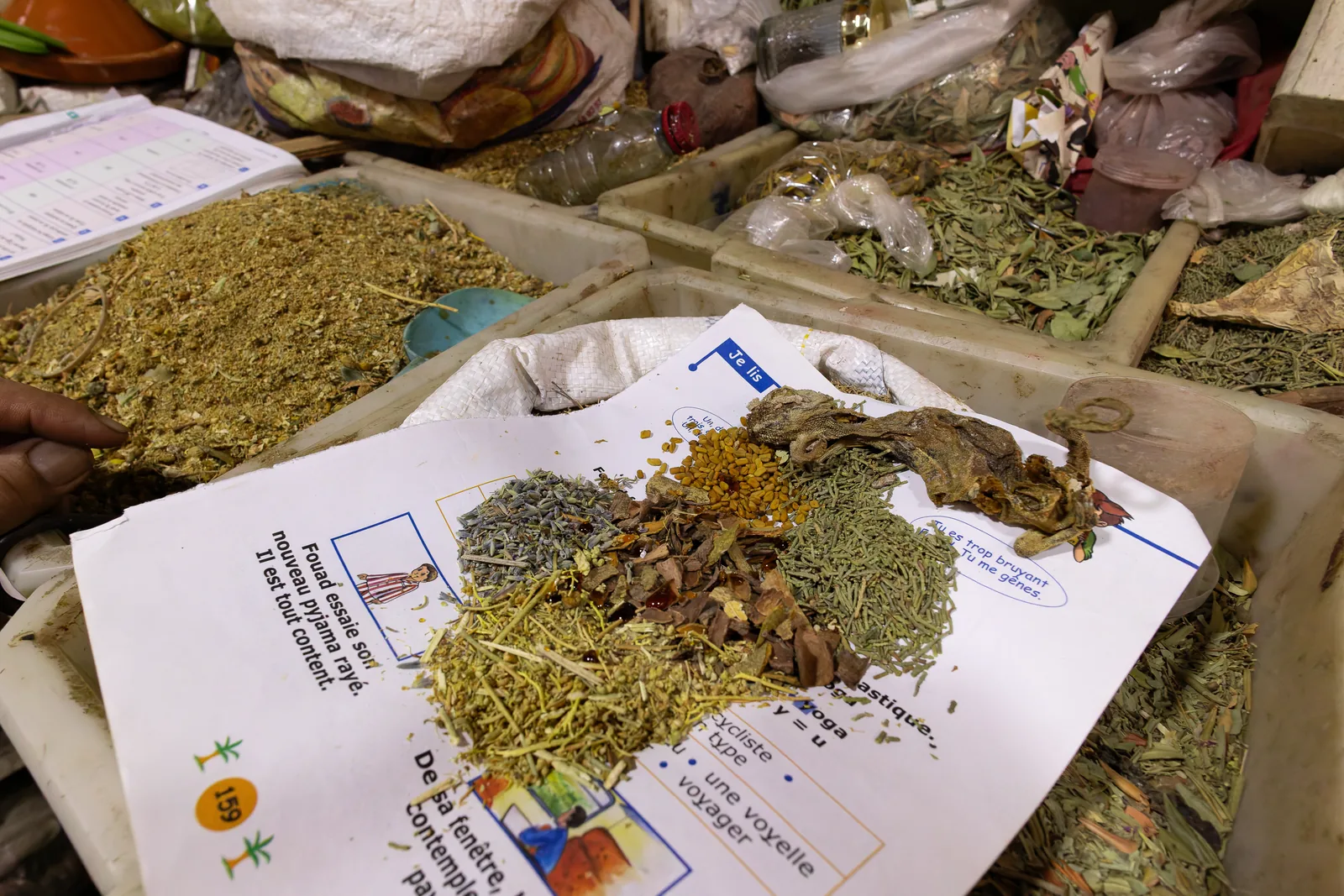
They are used to treat certain skin diseases, burned as incense to ward off the evil eye and bring luck, or even considered excellent snake repellents, giving Moroccan chameleons a market value.
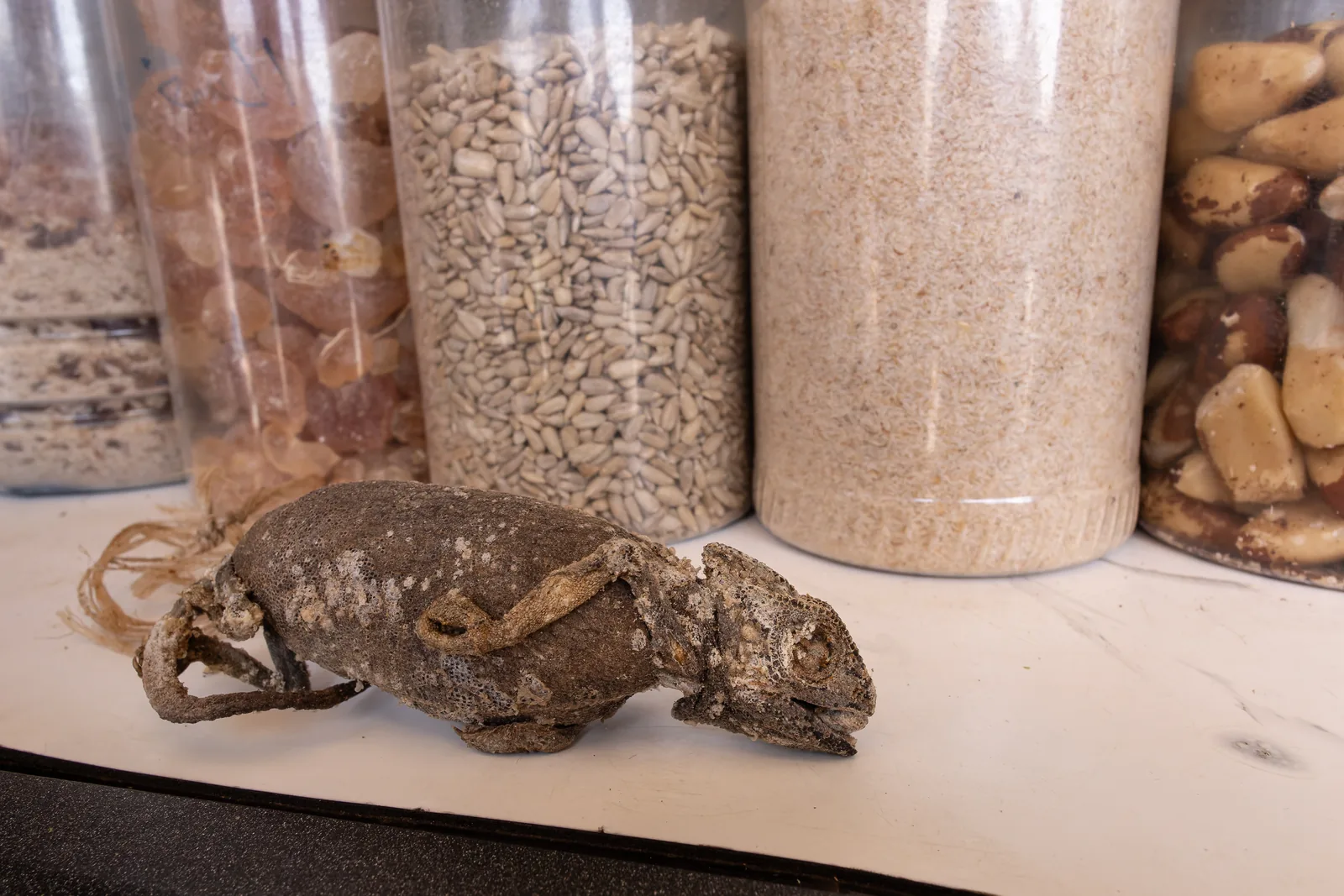
Sold dead by herbalists, one of them explained to us how the system works, according to him.
Some people capture chameleons, hang them on a clothesline to let them die of hunger in the sun, and then fill them with salt to better preserve them.
Once ready for use, these chameleons are mostly sold to wholesalers for an unspecified amount.
According to the results of our initial surveys, some wholesalers then sell them to herbalists for no more than 10 MAD (1 CHF) per individual.
Herbalists subsequently sell them for amounts ranging from 20 MAD (2 CHF) to 80 MAD (8 CHF), depending on the size of the chameleon.
Some of our discussions suggested that sales might occur by weight, but we were never able to determine the price per gram of a dead chameleon.
Recorded threats
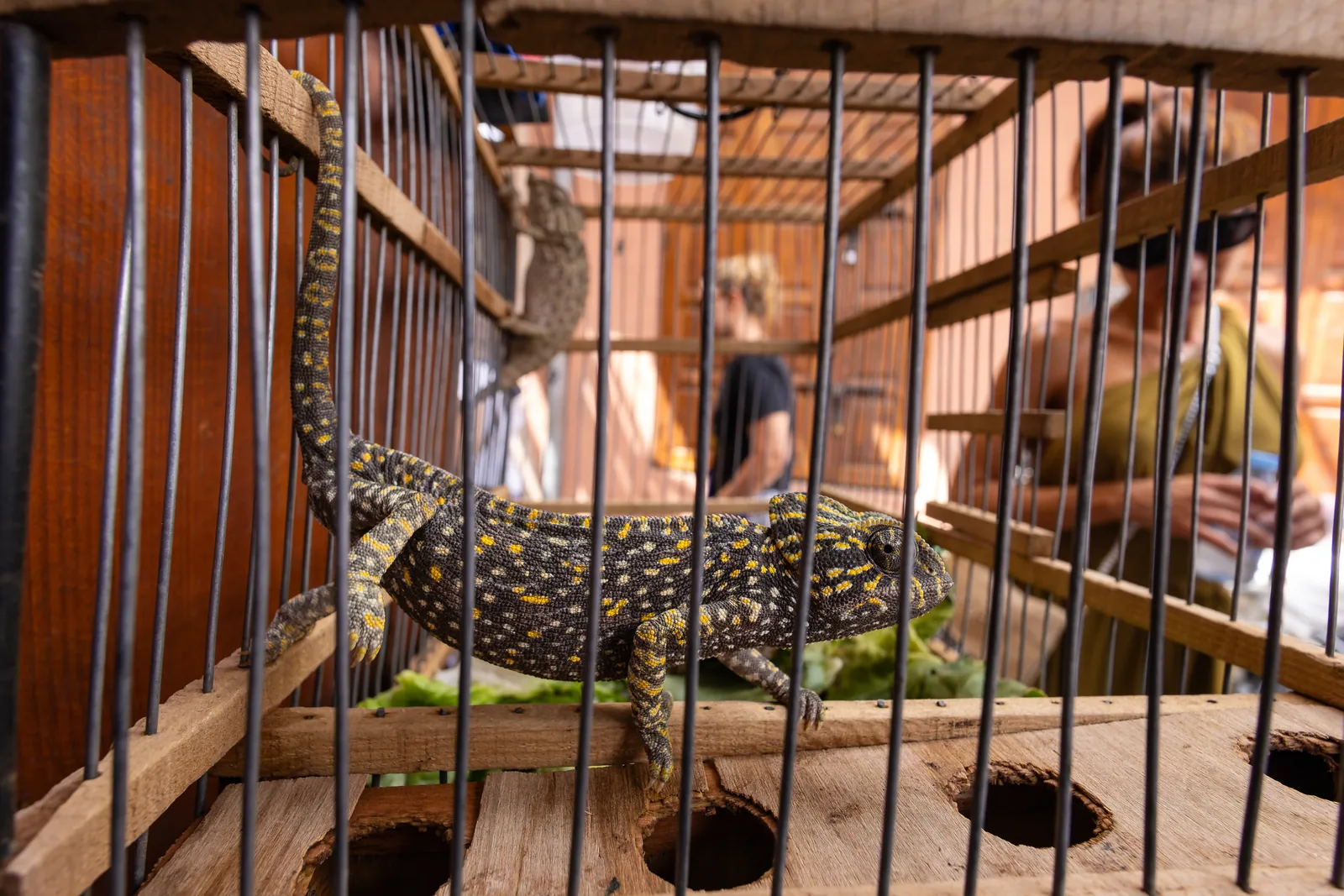
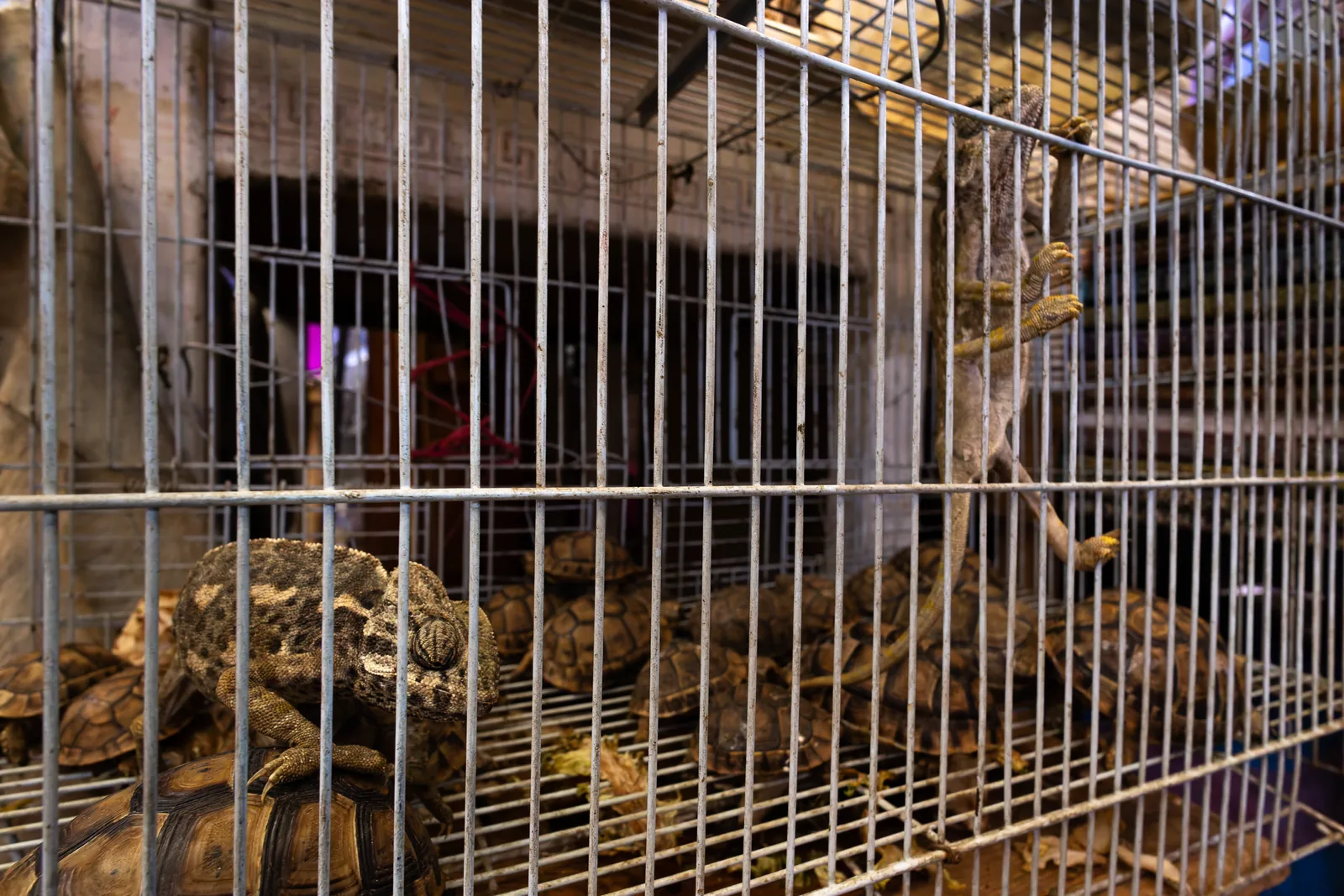
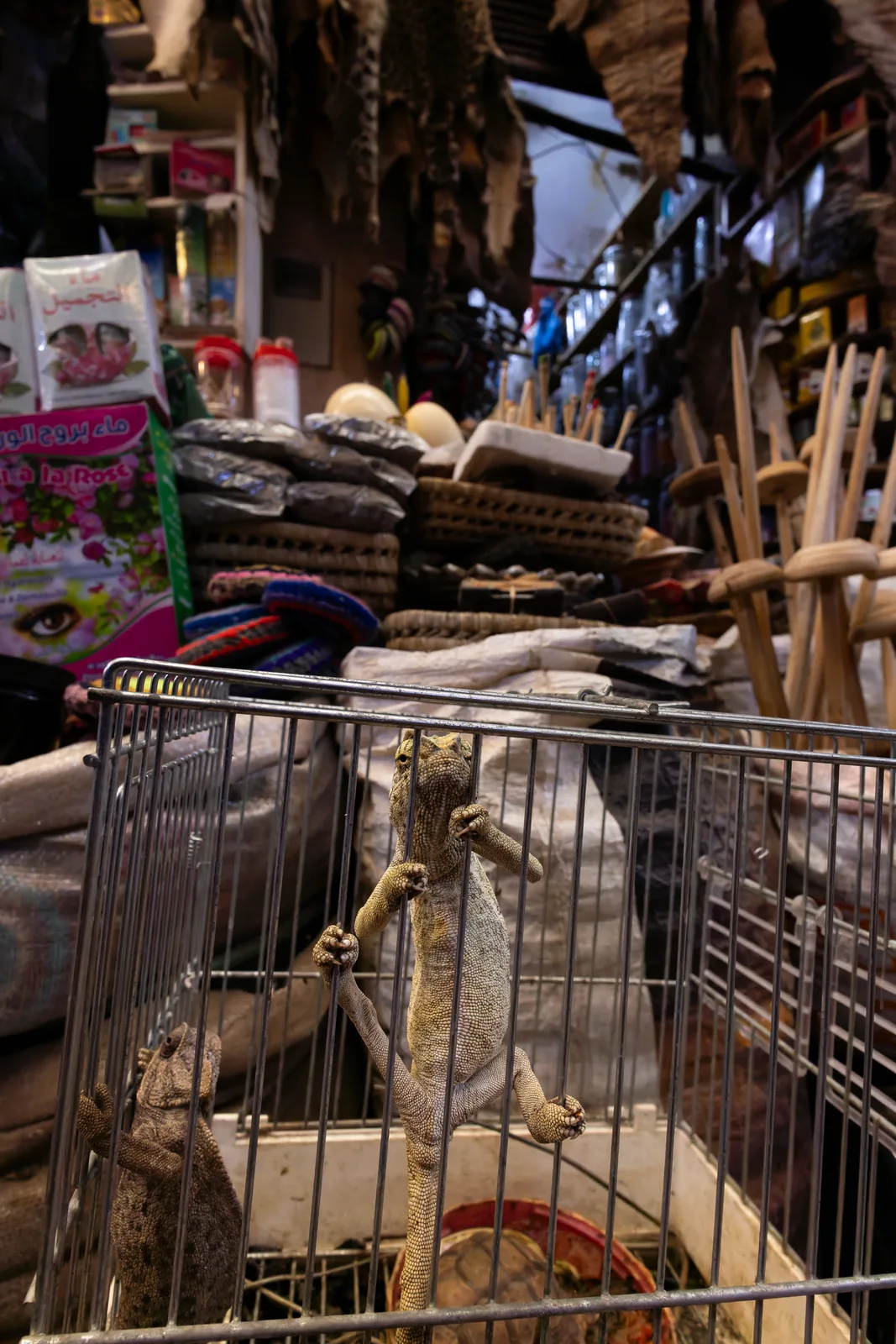
Sometimes, just a few steps away from these dead chameleons, live individuals of the same species are sold.
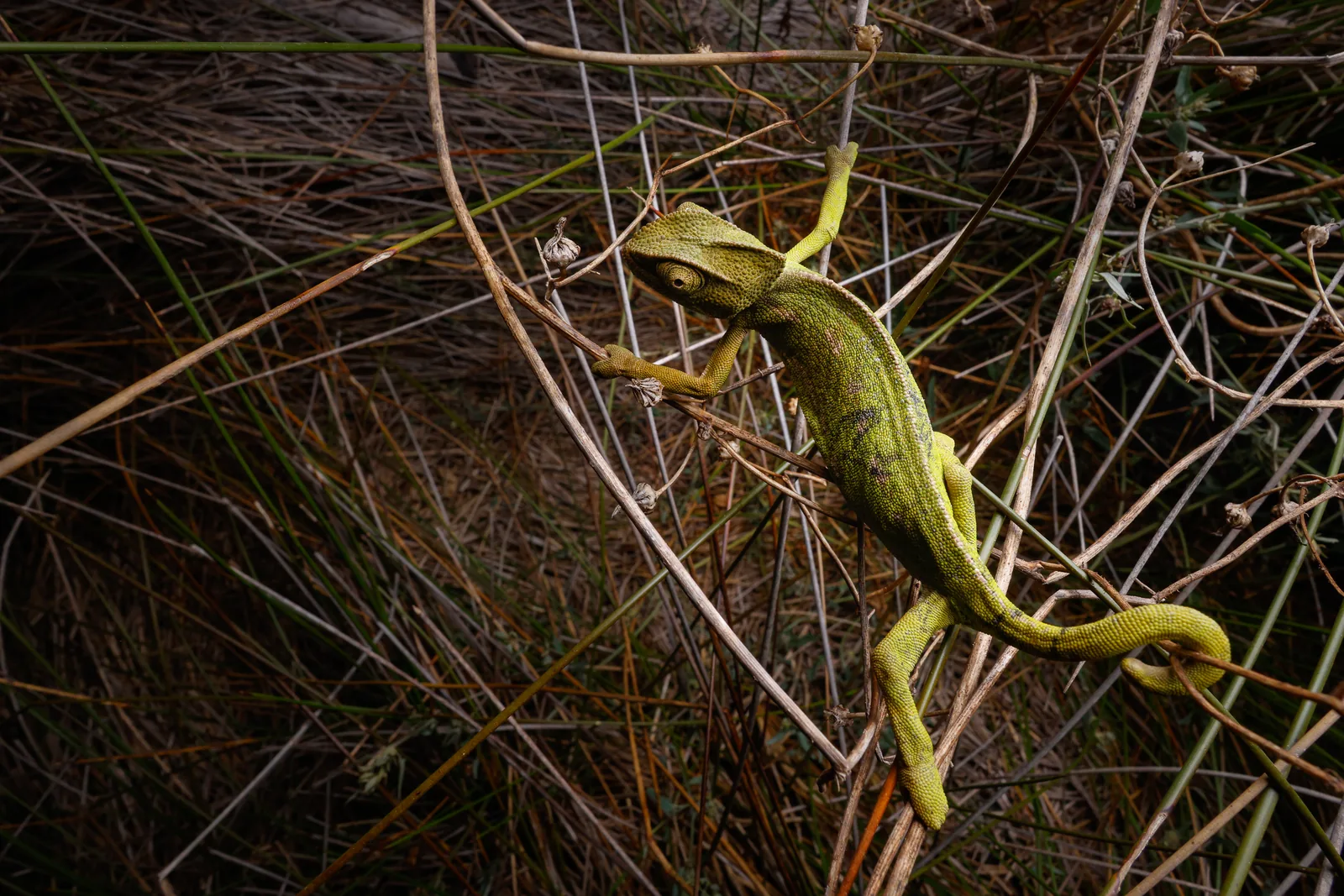
The common chameleon (Chamaeleo chamaeleon) is captured to be resold as a pet.
Both locals and tourists are targeted, with the latter being unscrupulously assured by sellers of the legality of exporting common chameleons abroad.
In souks as well as online, the sale price varies with the size of the individual, ranging from 100 to 800 MAD (10 to 80 CHF).
Keeping these chameleons, whose needs are poorly met, likely results in a very high mortality rate, maintaining constant pressure on wild populations.
Purchases by tourists, who believe they are doing a good deed by releasing them, not only reinforce this pressure but also create a new problem: potentially sick chameleons of unknown origin are released near major tourist centers, disrupting the genetic integrity of local populations.
Recorded threats
Alongside threats from deliberate pressures on chameleons, they also suffer from unintentional human-related threats.
Like many other animal species, chameleons face alterations to their natural habitat, increasingly punctuated by structures designed to retain water, often for agricultural purposes.
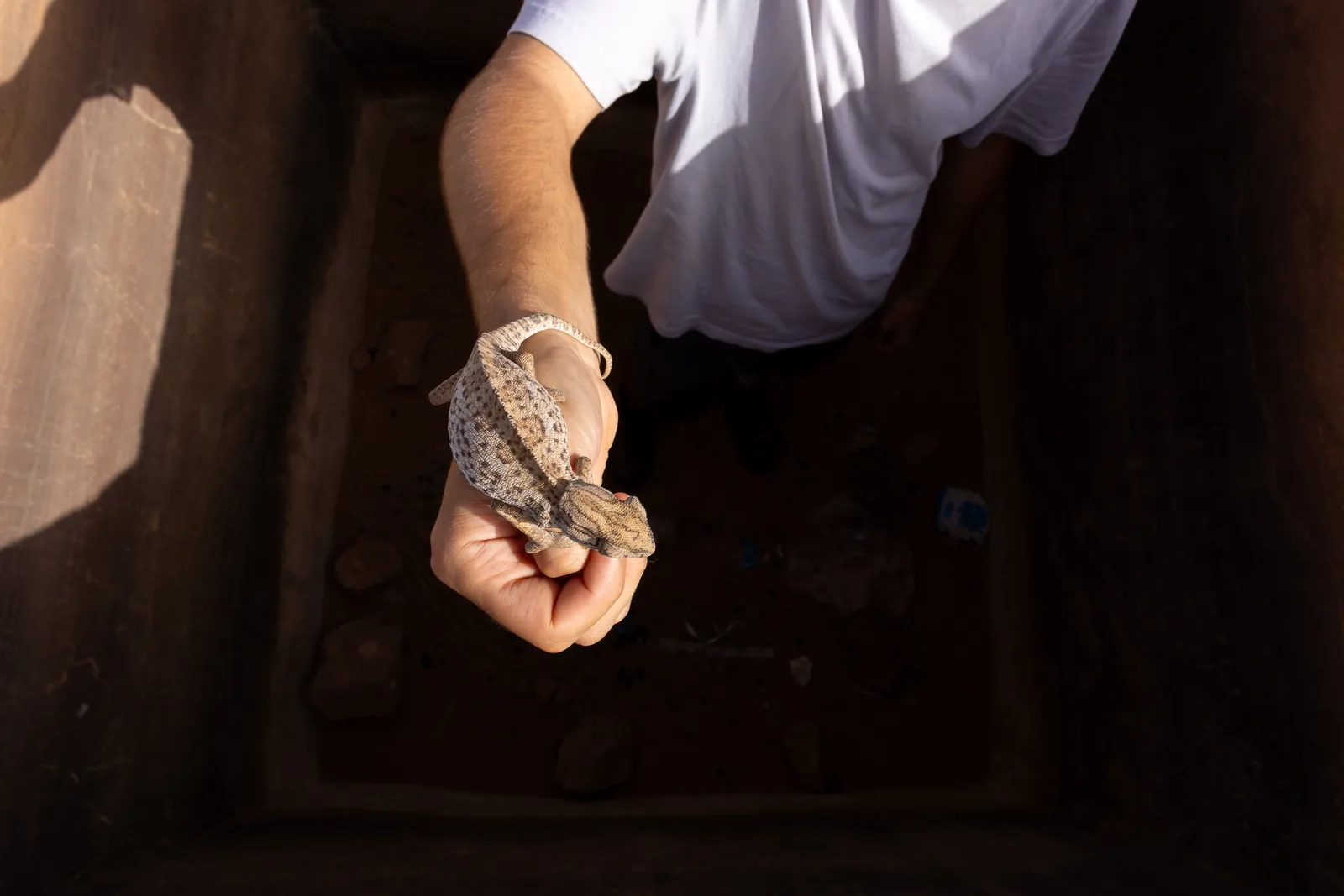
In some regions, these are mainly cement structures used to store water. They often have a side hole through which animals fall (drowning, or slowly dying of hunger and thirst if the reservoir is empty), as well as a sedimentation basin that is just as deadly.
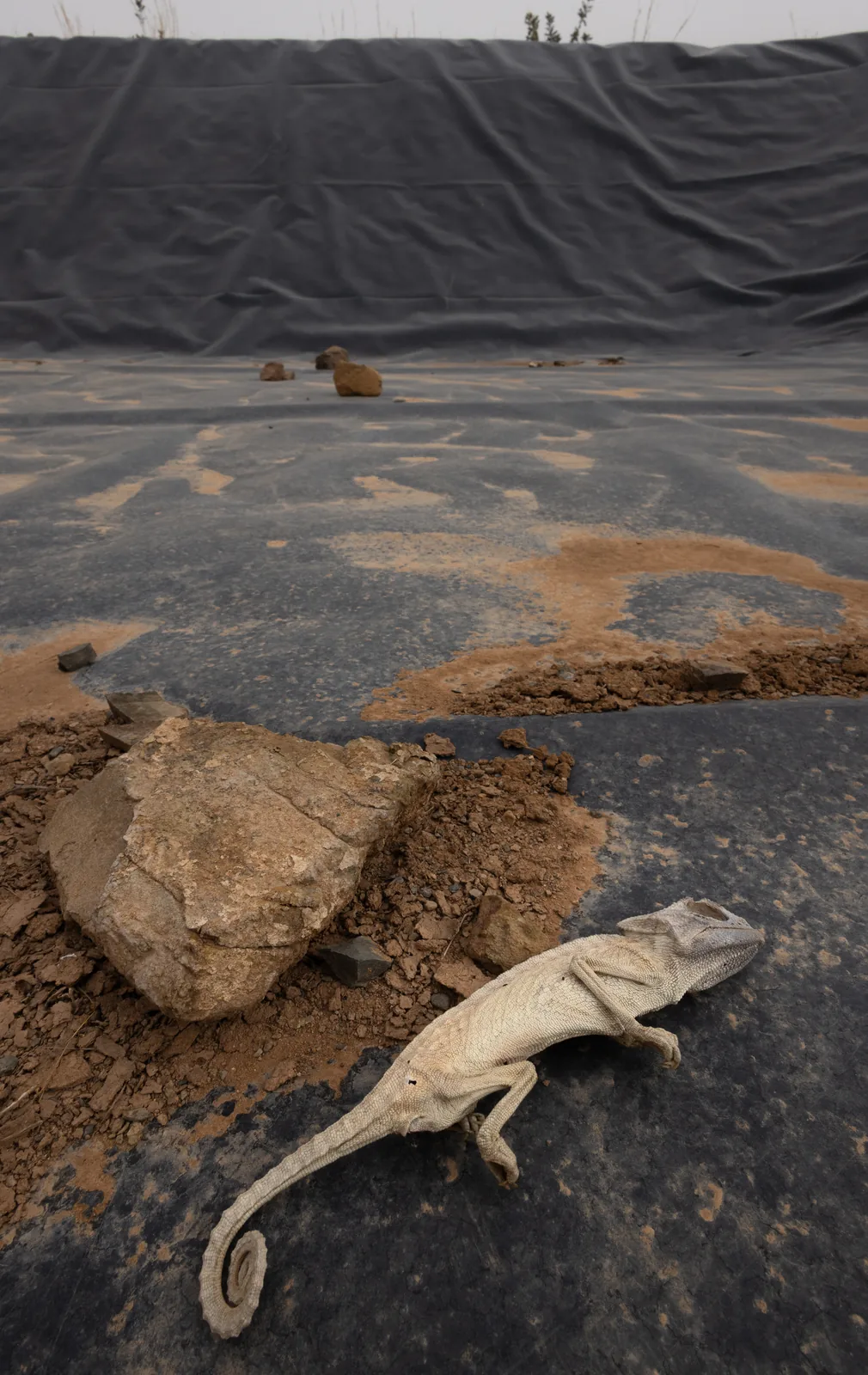
In other areas, a new system, already causing havoc in other countries, is becoming popular: open-air basins dug into the ground and lined with black plastic sheeting.
The plastic prevents any animal from climbing out, making these reservoirs devastating for local wildlife, including chameleons. We found most of the dead chameleons on the black plastic, dried out.
If not abandoned, these basins are filled in autumn, used for agriculture, and then dry out at the start of summer, becoming true cemeteries for reptiles and amphibians.
The proliferation of these new basins in agricultural areas, which often harbor relatively high densities of chameleons, could become a major problem for chameleon populations in the driest parts of the country, often restricted to the few remaining pockets of moisture.
Recorded threats
As chameleon populations concentrate around wet areas, and with water representing a key resource in an agricultural country experiencing severe drought, roads are often relatively busy around the few remaining moisture pockets in the south.
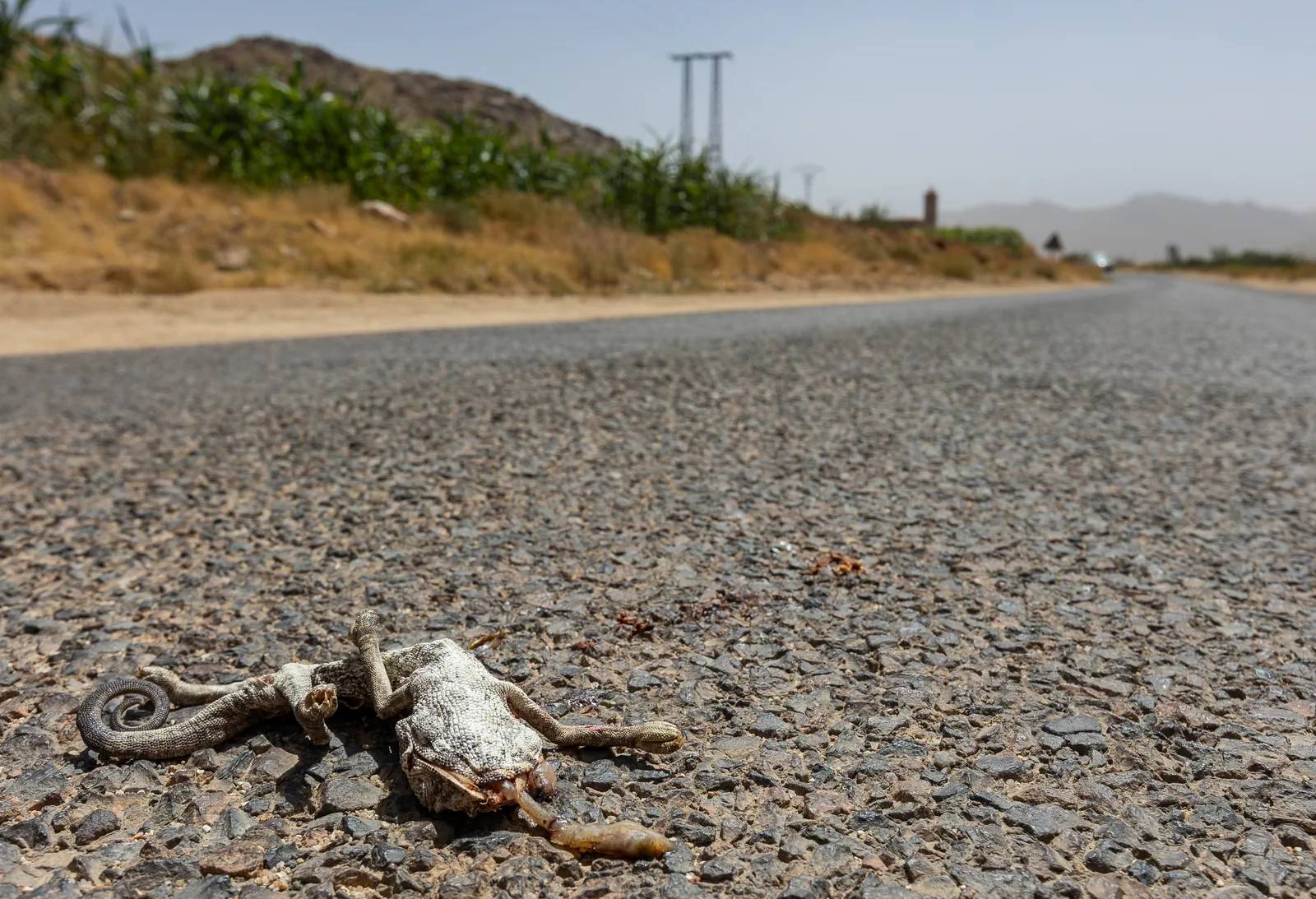
These roads pose a major obstacle for chameleons, which, forced to cross them to reach different parts of their habitat, are often hit or crushed by vehicles.
The problem likely intensifies during the breeding and egg-laying periods, when individuals are especially mobile, first searching for a mate, then for a nesting site.
The impact of these road collisions is difficult to quantify, but combined with the overabundance of water retention basins in agricultural areas and deliberate collection for resale in some regions, the overall effect on certain populations is likely significant.
Research
Our study aims to better understand the mystery surrounding the common chameleon in Morocco, as well as the regional particularities of the myths and legends associated with it.
Our questionnaires begin with a test of recognition of local lizards. Out of 20 participants, only 2 failed to identify the chameleon in the image, and these two did not recognize any of the other lizards presented.
Next, we sought to determine whether the chameleon is considered useful. Opinions are divided:
Regarding witchcraft and traditional medicine, only one participant reported having used chameleon eggs for digestive issues. However, 40% believe that the chameleon can cure certain skin diseases or protect against the evil eye.
From an ecological perspective, all participants have seen chameleons, with an average of 2.4 individuals per person per year. They are mainly found in trees, bushes, or on the edges of fields.
The term « Jbel » is often used to describe the places where they are observed; these are remote areas, often at higher elevations, resembling hills more than true mountains. Spring and summer are the periods when chameleons are most visible, according to almost all participants.
100% of participants leave chameleons alone, as they are considered harmless.
Regarding their abundance, 60% believe chameleons are rarer than before, 20% think they are more numerous, and 20% consider their density unchanged. Perceived threats include drought (25%), no threats (25%), and other factors such as roads, collection, or habitat destruction.
These results are interesting but require a larger sample to confirm broader and regional trends.
Research
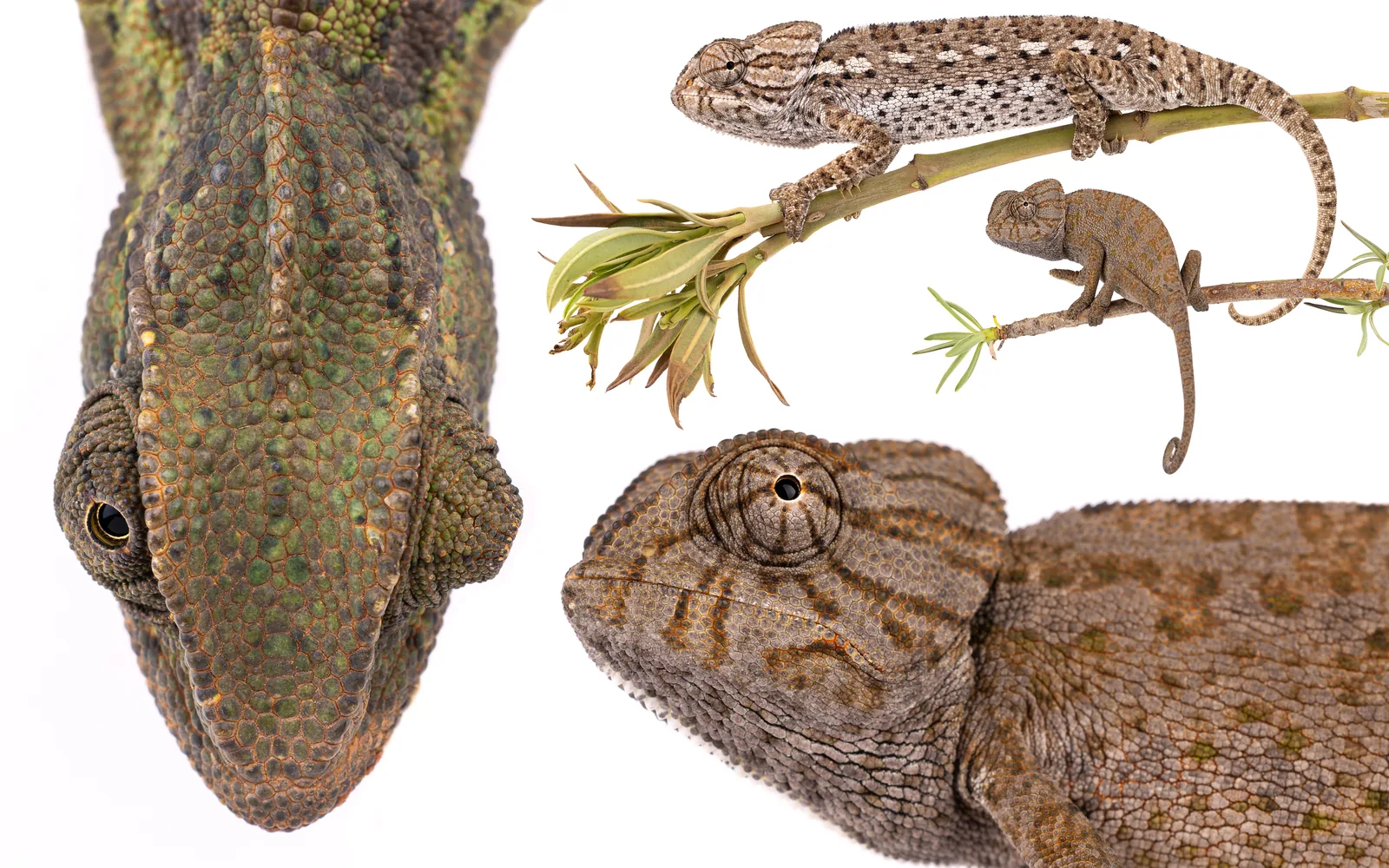
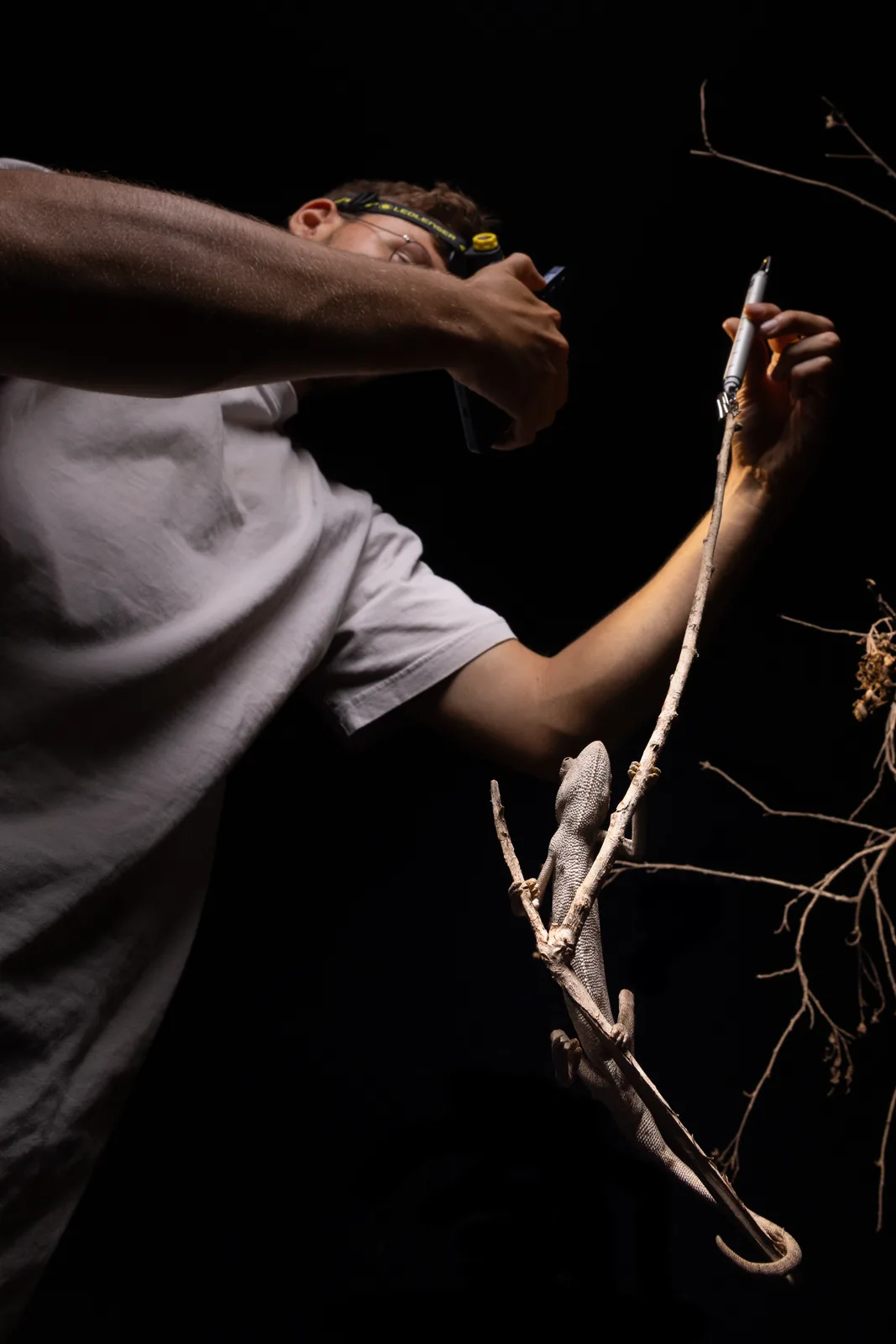
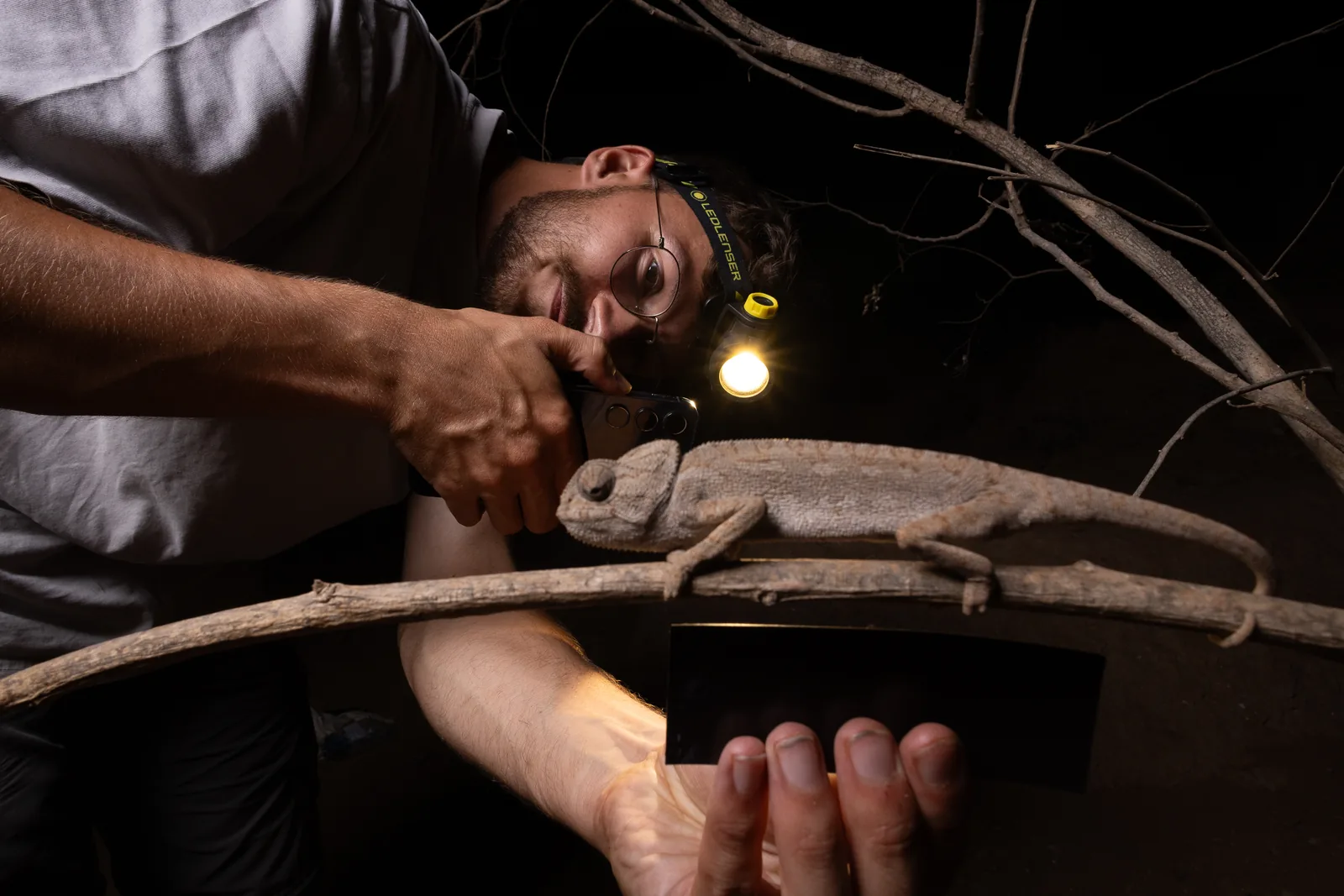
For each observed chameleon, we measure its size and weight, as well as the height of the branch and tree where it is located. We also photograph as many individuals as possible against a white background to create a standardized, high-quality image database, useful for analyzing potential morphological differences.
Our hypothesis is that Moroccan chameleon populations may exhibit morphological and ecological variations depending on habitat and region, for example, using different branch heights according to habitat type and availability.
Future missions will gradually expand this database and improve our understanding of variability across different localities.
Conclusion
Given the distribution of the chameleon in Morocco and the limited research on its genetics, we believe it is important to address this issue as soon as possible to determine whether the different populations are genetically distinct, and whether these genetic differences are related to any morphological variations.
The purpose of this approach is straightforward: to better understand wild populations in order to ultimately improve the management of captive populations from confiscations that are intended for reintroduction.
In the future, Fauna Morocco aims to test a genetic sampling protocol, while identifying key survey areas for future missions.
In the longer term, the prospects under consideration include building aviaries at La Perle aux Oiseaux, to house and manage confiscated chameleons in good conditions, but also to make it possible to study these chameleons, turning the site into a valuable study ground for Moroccan students, particularly at master's level.
End of report
We warmly thank the twenty people who agreed to answer our questions, as well as our partners, the Caméléon Center Conservation, Morocco Herpetology, Ibn Zohr University and La Perle aux Oiseaux. Thanks also to the Muséum national d'Histoire naturelle, the Parc Zoologique de Paris and Zoopark Zájezd for their support.
Vuillemin, R. & Ruffieux, C. (2026). The Common Chameleon, mission report 2025. Fauna Morocco. https://fauna-morocco.org/expeditions/report-cameleon-commun.html